
Student backpack organisation tips for smarter school days
TL;DR:
- Proper backpack features and accessories enhance organization, comfort, and reduce strain.
- Consistent routines and strategic packing prevent overload, save time, and boost confidence.
- An organized bag lessens anxiety, improves posture, and reflects self-awareness and style.
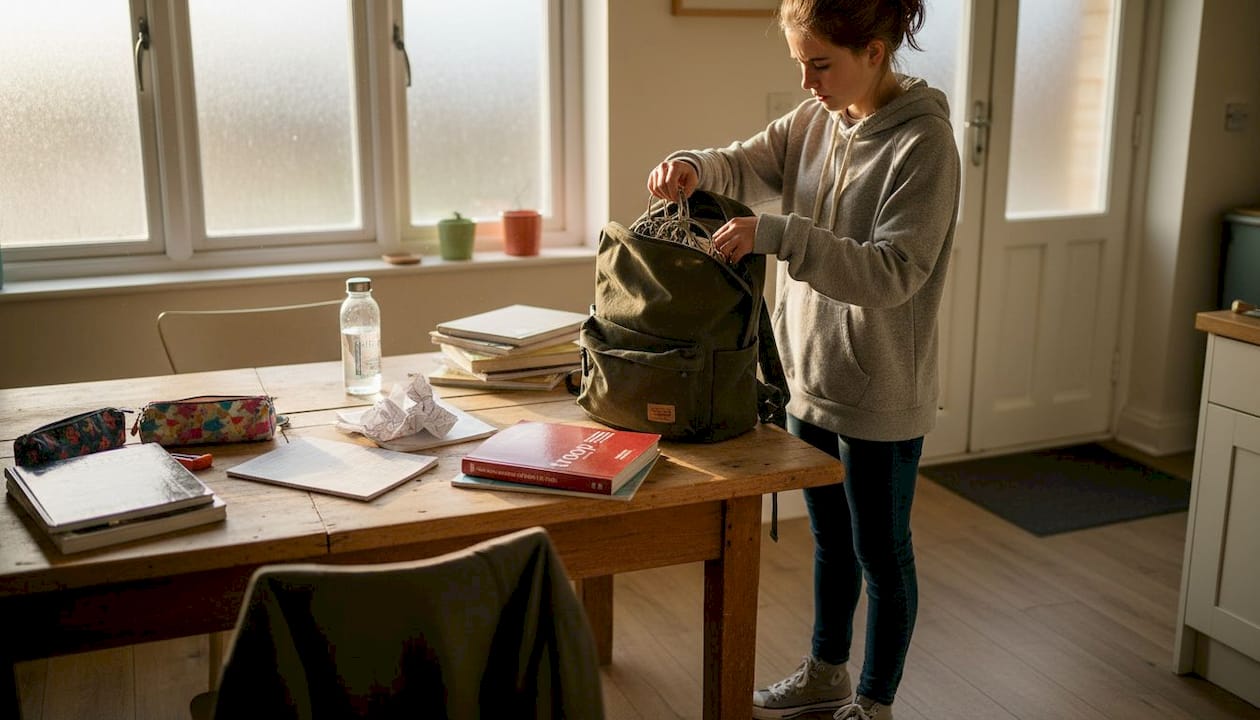
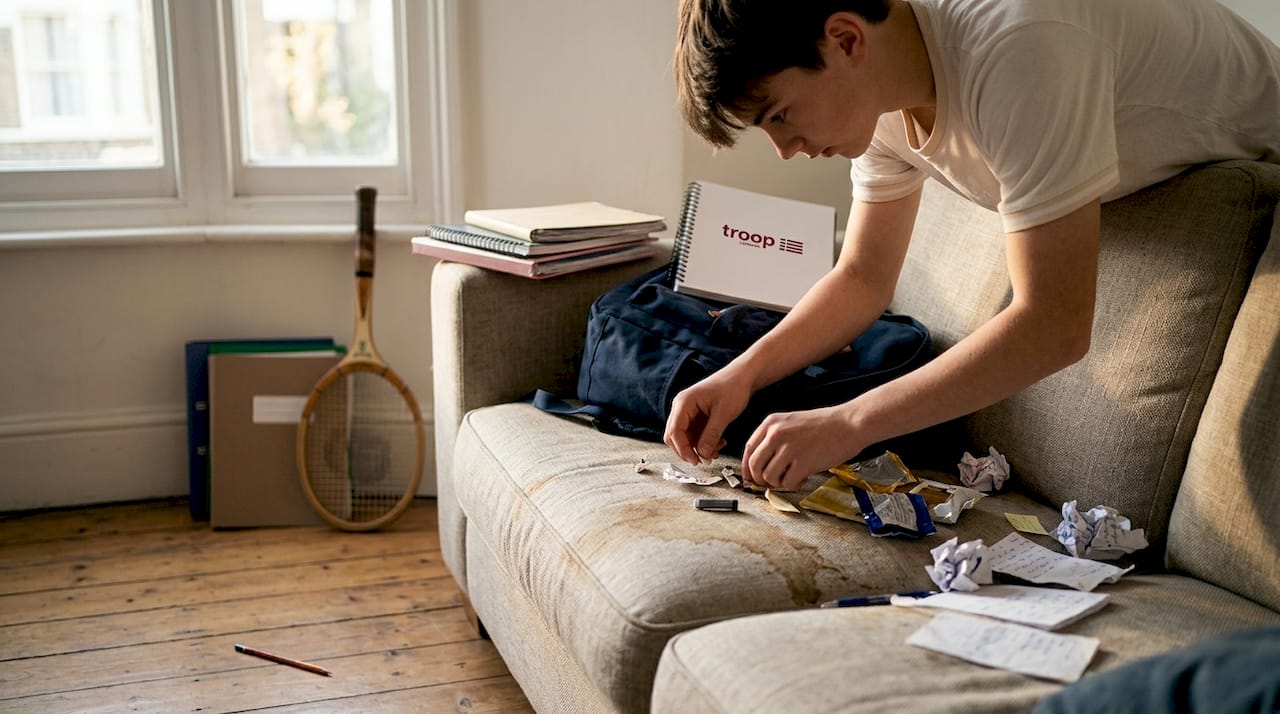
Rummaging through a chaotic backpack at 8 a.m., hunting for a pen that definitely went in there yesterday, is a frustration almost every student knows. A disorganised bag wastes time, adds stress, and can even damage your posture if you are carrying more than you realise. The good news is that a few smart habits and the right gear can transform your daily school experience. This guide walks you through exactly what you need, how to pack it properly, and how to avoid the common mistakes that keep students stuck in the muddle.
Table of Contents
- What you need for a well-organised backpack
- Step-by-step organisation: Packing your backpack right
- Smart strategies to lighten the load
- Troubleshooting: Common mistakes and style pitfalls
- What most backpack guides miss: The organisation-stress link
- Organise your essentials in style with Troop London
- Frequently asked questions
Key Takeaways
| Point | Details |
|---|---|
| Pick the right gear | Choose a backpack with helpful features and use pouches to keep items categorised. |
| Follow daily routines | Set a morning and evening backpack routine for ongoing organisation and readiness. |
| Lighten your load | Limit your backpack to true essentials and avoid overpacking to protect your health. |
| Avoid common mistakes | Pack heaviest items closest to your back and avoid mixing style with disorganisation. |
What you need for a well-organised backpack
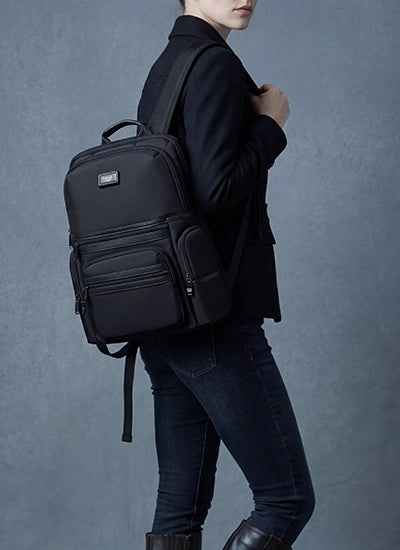
Before you can organise anything, you need the right foundation. Not all backpacks are created equal, and choosing one with the correct features makes every other tip in this guide easier to apply. Look for key backpack features such as padded shoulder straps, a dedicated laptop sleeve, and multiple compartments. These are not luxury extras; they are the building blocks of a bag that actually works for you.
Experts consistently recommend that you choose backpacks with padded straps, multiple compartments, and a laptop sleeve to set yourself up for success. Wide, padded straps in particular make a significant difference because they distribute weight evenly, reducing the strain on your shoulders across a long school day.
Once you have a solid bag, the accessories you carry inside are equally important. Here is what every student should consider:
- Pencil case or zip pouch: Keeps pens, highlighters, and erasers contained and easy to grab
- Tabbed accordion folder or ring binder: Separates subjects so you never hand in the wrong worksheet
- Reusable water bottle: Hydration supports focus; choose a slim bottle that fits a side pocket
- Portable charger: Essential for long school days with devices
- Small first-aid pouch: Plasters and paracetamol take up almost no space but save the day regularly
Choosing the right bag from a range designed for students makes all of this easier. The best bags for students combine durability with thoughtful internal layouts, so your accessories have a natural home.
| Feature | Why it matters | Practical example |
|---|---|---|
| Padded shoulder straps | Reduces shoulder and neck strain | Wide straps spread weight across both shoulders |
| Laptop sleeve | Protects devices and keeps them separate | Padded compartment prevents screen scratches |
| Multiple compartments | Reduces rummaging time | Front pocket for stationery, main for books |
| Side water bottle pocket | Keeps liquids away from electronics | Mesh pocket holds a 500ml bottle securely |
| Chest or sternum strap | Improves weight distribution | Stops the bag swinging during commutes |
Pro Tip: Assign a different colour pouch to each subject. Blue for maths, red for English, green for science. You will find what you need in seconds without thinking.
Step-by-step organisation: Packing your backpack right
Having the right gear is only half the job. How you pack matters just as much as what you pack. Building a simple daily and weekly routine turns a chaotic bag into a reliable system that saves you time every single morning.
Start with a morning and evening rhythm:
- Evening before: Check your timetable and remove anything not needed the next day
- Evening before: Restock stationery, top up your water bottle, and charge your devices
- Evening before: Place completed homework into the correct subject folder
- Morning of: Do a 60-second visual check before leaving; confirm your keys, phone, and travel card are in their designated spots
- Weekly: Empty and clean the backpack fully to remove receipts, wrappers, and forgotten items
- Weekly: Wipe down the interior lining and check for any damage to zips or straps
A 10-minute evening routine to review and repack your bag maximises your readiness and reduces morning panic significantly. It sounds small, but students who do this consistently report feeling calmer and more prepared.
“Organisation is not about perfection. It is about creating a system that works for your life and sticking to it long enough to make it automatic.”
Good backpack care and cleaning also extends the life of your bag considerably. If your bag is made from polyester or canvas, learning the correct washing a polyester backpack method prevents damage and keeps it looking sharp.
| Task | Frequency | Time needed |
|---|---|---|
| Repack and check timetable | Daily (evening) | 10 minutes |
| Visual morning check | Daily (morning) | 1 minute |
| Full empty and clean-out | Weekly | 15 minutes |
| Check zips and straps for wear | Monthly | 5 minutes |
| Deep clean or wash | Every term | 30 minutes |
Pro Tip: Place heavy books and your laptop closest to your back, not at the front of the bag. This single adjustment reduces strain on your spine and makes the bag feel noticeably lighter.
Smart strategies to lighten the load
Good routines go hand in hand with being mindful of what you actually need to carry. Many students treat their backpack like a portable storage unit, and that habit has real consequences for their bodies.
Your backpack should not exceed 10 to 15% of your body weight to prevent back pain and posture problems. For a student weighing 60 kg, that means a maximum of 9 kg total. Most students carry far more than that without realising it.
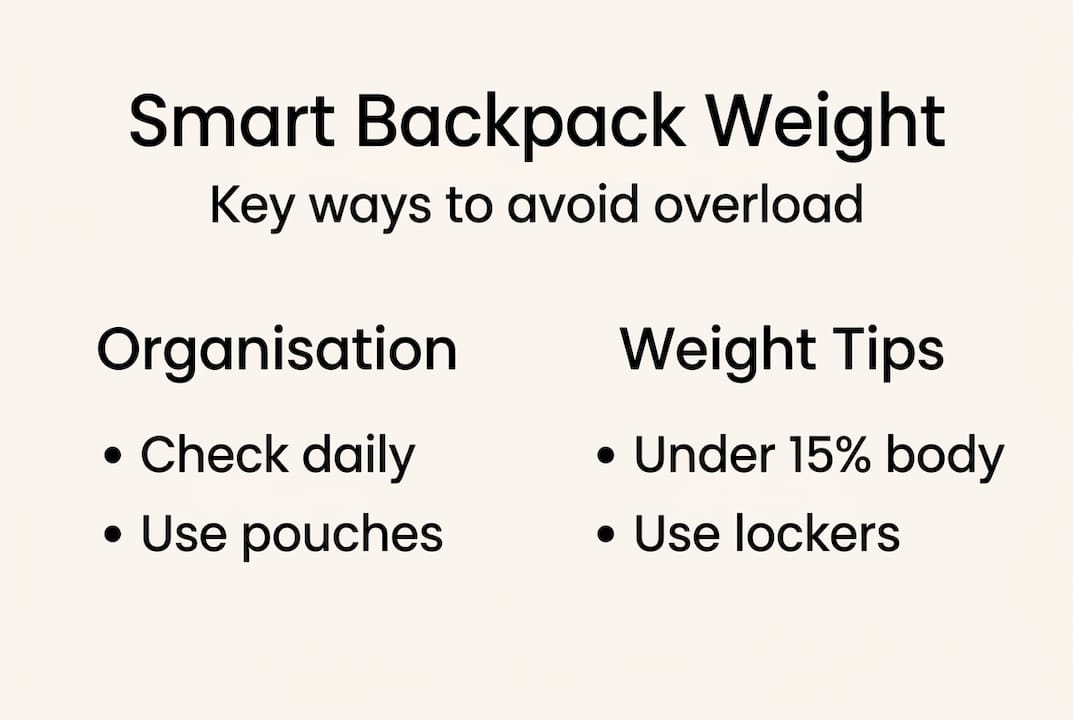
In fact, 60 to 80% of students exceed recommended weight guidelines, putting themselves at risk of chronic pain and spinal issues. That is not a minor inconvenience; it is a genuine public health concern.
Here is a simple split to help you decide what stays and what goes:
Essentials (always carry):
- Current day’s textbooks and workbooks only
- Stationery pouch
- Water bottle
- Phone and charger
- Travel card or keys
Non-essentials (leave at home or in a locker):
- Books for subjects not on today’s timetable
- Multiple spare notebooks
- Bulky PE kit on non-PE days
- Snacks you do not actually eat
- Duplicate stationery items
Using your school locker strategically is one of the most underrated tips to lighten backpack weight. Store your heaviest textbooks there and only carry what you need for each half of the day. If you are looking at ergonomic backpack choices, prioritise bags with a structured back panel and a sternum strap for better load distribution.
Troubleshooting: Common mistakes and style pitfalls
After learning what to include and leave out, it is important to avoid the classic organisation blunders that undo all your hard work. Even well-intentioned students fall into the same traps repeatedly.
Here are the most common mistakes and how to fix them:
- Packing everything the night before without checking the timetable: You end up carrying three days of books for one day of school. Fix: Check your schedule every evening.
- Choosing a bag purely for looks: A beautiful bag with no internal structure becomes a black hole for your supplies. Fix: Balance style with function when shopping.
- Putting heavy items at the front: This pulls the bag away from your body and strains your lower back. Heaviest items should be closest to your spine for proper ergonomic balance.
- Never cleaning the bag out: Old receipts, crumbs, and forgotten worksheets accumulate fast. Fix: Build the weekly clean-out into your Sunday routine.
- Using one giant compartment for everything: Without internal dividers or pouches, everything migrates to the bottom. Fix: Add zip pouches to create structure inside any bag.
“For students with ADHD, routines and parental support are especially important to avoid habit-related disorganisation. A consistent system, not willpower, is the real solution.”
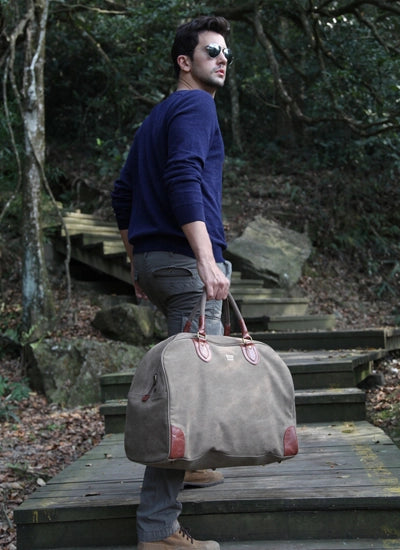
Style does not have to suffer for practicality. Comparing backpacks vs messenger bags is worth doing if you find a traditional backpack uncomfortable, as messenger bags suit certain body types and commuting styles better. The key is finding a bag that you actually want to use every day, because that motivation keeps your system running.
What most backpack guides miss: The organisation-stress link
Most advice on backpack organisation treats it as a purely logistical problem. Pack the right things, use the right pouches, done. But there is something more interesting happening beneath the surface.
A cluttered, heavy bag is a daily source of low-level anxiety. You lose things, you run late, and you arrive at school already feeling behind. That feeling compounds throughout the day. Conversely, opening a well-organised bag gives you a quiet but genuine confidence boost. You know where everything is. You are ready. That mental shift is not trivial.
Organisation in 2026 is also a style statement. Carrying a thoughtfully curated bag, one that reflects your personality while functioning beautifully, signals self-awareness and intention. It is the same logic behind travelling lightly with one backpack: less clutter, more clarity, more confidence. Your backpack is the one item you carry every single day. It deserves more thought than most students give it.
Organise your essentials in style with Troop London
If reading this has made you realise your current bag is holding you back, it might be time for an upgrade that works as hard as you do.

At Troop London, we design bags that bring together function and style without compromise. Our canvas backpacks are built with students in mind, featuring multiple compartments, durable materials, and timeless designs that look just as good on campus as they do on the weekend. Whether you prefer the Classic, Heritage, or Urban collection, there is a bag that fits your routine and your personality. Explore the full range and find your perfect everyday carry.
Frequently asked questions
How often should I clean out my backpack?
A weekly clean-out is recommended to remove rubbish and keep your backpack organised and hygienic. A quick 15-minute sort every Sunday prevents clutter from building up.
What is the ideal weight for a student backpack?
Your backpack should not exceed 10 to 15% of your body weight to prevent discomfort and long-term back issues. Weigh your packed bag occasionally to keep yourself honest.
How should heavy items be packed?
Always place heavy items like textbooks and laptops nearest your back for better support and ergonomic health. This keeps the bag’s centre of gravity close to your body.
What are the best pouches or organisers for students?
Colour-coded pouches and tabbed accordion folders help separate supplies by subject or purpose for rapid access. Assign one colour per subject and you will never mix up your notes again.