
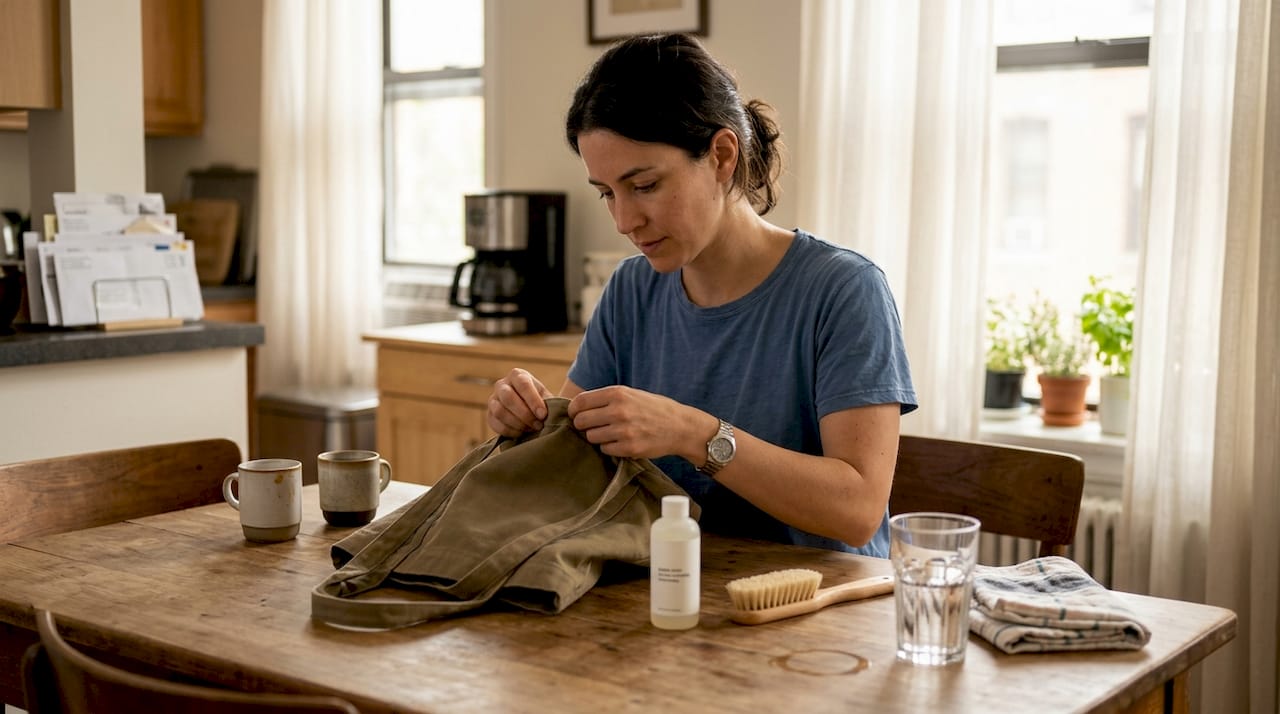
How to maintain bag durability: care tips for canvas bags
Your canvas bag faces daily challenges that gradually compromise its structure and appearance. Dirt accumulates in seams, straps stretch under weight, and fabric loses its crisp finish without proper attention. This guide delivers practical maintenance techniques that preserve your bag’s durability, keeping it functional and attractive for years. You’ll learn preparation essentials, step-by-step cleaning methods, storage strategies, and common pitfalls to avoid.
Table of Contents
- Key takeaways
- Preparing to maintain your canvas bag
- Step-by-step guide to cleaning and maintaining your canvas bag
- Storing and handling tips to prolong bag lifespan
- Common mistakes to avoid when maintaining canvas bags
- Expected results from consistent bag maintenance
- Explore Troop London’s durable canvas bags
- FAQ
Key Takeaways
| Point | Details |
|---|---|
| Routine cleaning | Regular gentle cleaning helps preserve the canvas fabric and keeps your bag functional and looking its best. |
| Preparation matters | Assemble the right tools and create a clean, well lit and well ventilated workspace to avoid damaging the canvas during maintenance. |
| Suitable products | Use mild soap or canvas cleaner and always test on a hidden area first before cleaning. |
| Prompt stain treatment | Address stains promptly using appropriate remedies for each type such as cornflour for oil and rubbing alcohol for ink. |
Preparing to maintain your canvas bag
Successful maintenance begins with gathering the right tools and creating an appropriate workspace. Using the right materials is essential to avoid damaging canvas bags during cleaning and maintenance. You need specific supplies that clean effectively without harming the fabric’s natural properties.
Start by assembling these essential items:
- Soft-bristled brush for removing surface dirt
- Mild liquid soap or specialised canvas cleaner
- Clean white cloths or microfibre towels
- Lukewarm water in a basin
- Small bowl for mixing cleaning solution
- Optional: white vinegar for stubborn odours
Your cleaning environment matters as much as your supplies. Choose a well-ventilated area with good lighting where you can spread out your bag completely. Avoid direct sunlight during the cleaning process, as it can cause uneven drying and potential fabric damage. A bathroom or utility room works perfectly, giving you easy access to water and drainage.
| Product type | Recommended option | Why it works |
|---|---|---|
| Soap | Castile soap or baby shampoo | pH-balanced, gentle on natural fibres |
| Brush | Natural bristle brush | Removes dirt without abrading canvas |
| Cloth | White microfibre towels | Prevents colour transfer, highly absorbent |
| Water temperature | Lukewarm (20-30°C) | Effective cleaning without shrinking fabric |
Pro Tip: Always test your chosen cleaning product on a hidden area inside the bag first. Apply a small amount, wait 10 minutes, then check for discolouration or fabric damage before proceeding with full cleaning.
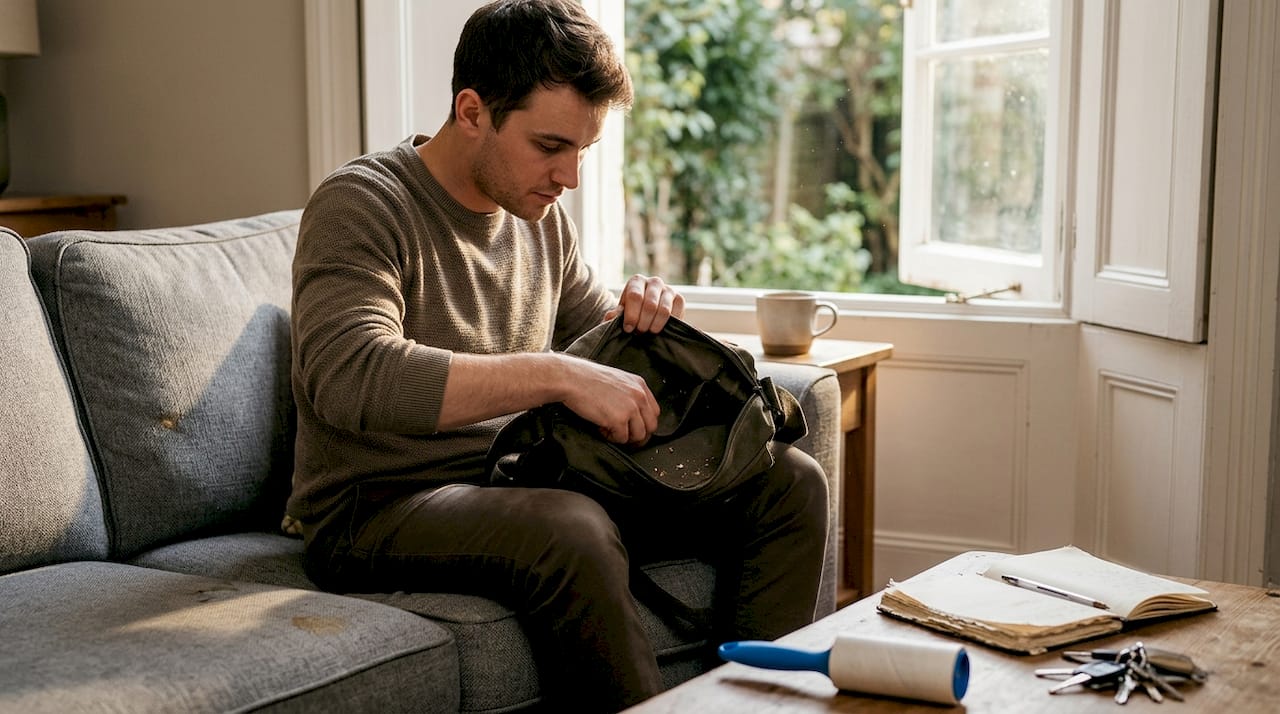
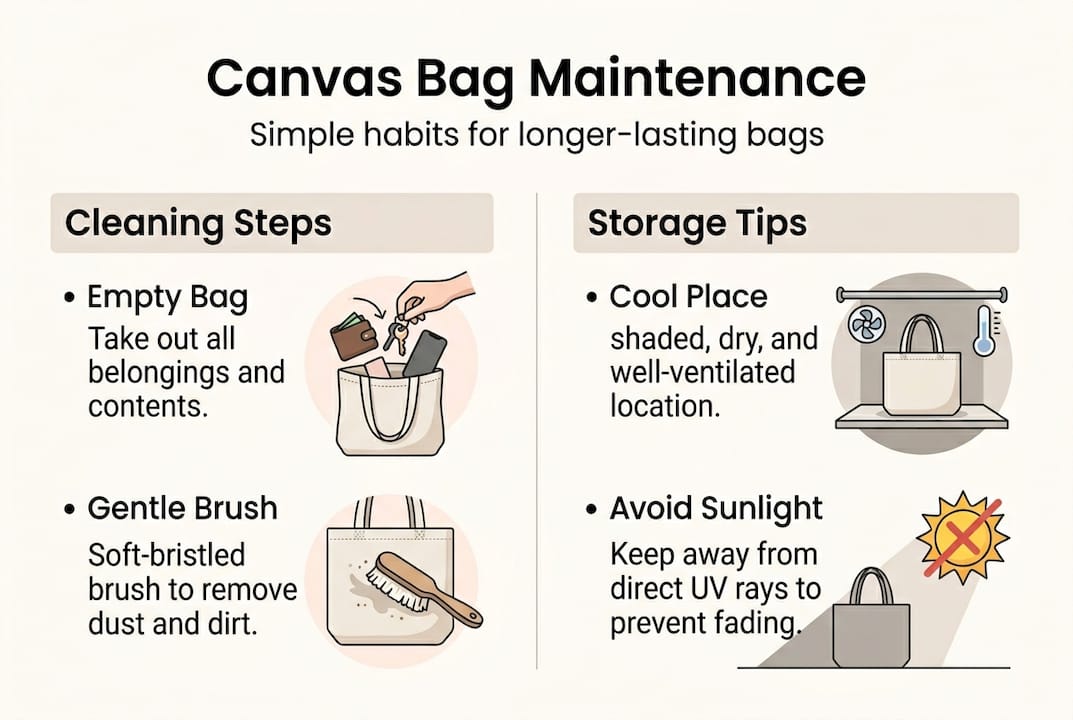
Before you begin cleaning, empty your bag completely and shake out loose debris. Turn it inside out if possible to access interior dirt. Check all pockets, compartments, and seams where grime accumulates. This preliminary inspection helps you identify specific problem areas that need extra attention during the canvas bag cleaning essentials process.
Step-by-step guide to cleaning and maintaining your canvas bag
Proper cleaning techniques preserve fabric quality and extend the lifespan of canvas bags. Follow these sequential steps for thorough yet gentle maintenance that protects your bag’s structural integrity.
- Remove loose dirt by brushing the entire exterior surface with your soft-bristled brush, working in circular motions to lift embedded particles from the weave.
- Mix your cleaning solution by adding one tablespoon of mild soap to two cups of lukewarm water, creating gentle suds without excessive foam.
- Dampen your cloth in the solution, wringing out excess water until it’s moist but not dripping, preventing fabric oversaturation.
- Wipe the bag’s surface using gentle, overlapping strokes, paying special attention to handles, bottom panels, and areas around hardware.
- Rinse your cloth in clean water and wipe away soap residue, repeating until no suds remain on the fabric.
- Pat the bag with a dry towel to absorb excess moisture, avoiding harsh rubbing that might distort the canvas weave.
- Air-dry the bag completely in a well-ventilated space away from direct heat sources, which can cause shrinkage or warping.
Stain treatment requires immediate attention and specific approaches. Prompt stain removal helps prevent permanent damage and keeps bags looking fresh. Different stain types demand different solutions:
- Oil-based stains: Sprinkle cornflour or talcum powder on the spot, let it absorb for 30 minutes, then brush away and clean normally
- Ink marks: Dab with rubbing alcohol using a cotton bud, working from the stain’s outer edge inward to prevent spreading
- Food stains: Apply a paste of baking soda and water, let it sit for 15 minutes, then gently scrub with a soft brush
- Grass stains: Use a mixture of white vinegar and water in equal parts, applying with a cloth and blotting repeatedly
Pro Tip: Never use bleach or harsh chemical cleaners on canvas bags. These products break down natural fibres, causing premature wear and irreversible discolouration that compromises your bag’s appearance and strength.
Drying demands patience and proper technique. Stuff your bag with clean towels or tissue paper to help it maintain its shape whilst drying. This prevents sagging and ensures even air circulation throughout the interior. Replace the stuffing if it becomes damp. Complete drying typically takes 24 to 48 hours depending on humidity levels and bag thickness.
| Drying method | Safety rating | Notes |
|---|---|---|
| Air-dry indoors | Safe | Best option, maintains fabric integrity |
| Outdoor shade | Safe | Good airflow, avoid direct sun |
| Near radiator | Risky | Can cause shrinkage and stiffness |
| Tumble dryer | Unsafe | High heat damages canvas permanently |
| Hairdryer | Unsafe | Concentrated heat weakens fibres |
For detailed guidance on each cleaning stage, refer to these canvas bag cleaning steps that break down the process further. When dealing with specific challenges like ink marks, consult targeted ink stain removal tips for specialised treatment methods.
Storing and handling tips to prolong bag lifespan
Proper storage and careful handling prevent unnecessary fabric stress and damage. How you treat your bag between uses significantly impacts its longevity and appearance. Small daily habits compound over time, either preserving or degrading your bag’s condition.
Storage location directly affects fabric preservation. Choose a cool, dry spot away from windows where direct sunlight won’t fade colours or weaken fibres. Avoid damp areas like basements or bathrooms where moisture encourages mould growth. A wardrobe shelf or dedicated storage box provides ideal conditions. Ensure adequate air circulation around stored bags to prevent musty odours from developing.
Pro Tip: Store your canvas bag in a breathable cotton dust bag or clean pillowcase for long-term protection. This shields it from dust accumulation whilst allowing air circulation, preventing the moisture buildup that occurs with plastic storage bags.
Daily handling practices matter enormously:
- Avoid overloading your bag beyond its intended capacity, which strains seams and distorts the bag’s structure
- Distribute weight evenly across the bag rather than concentrating heavy items in one area
- Keep sharp objects in protective pouches to prevent internal punctures or scratches
- Wipe spills immediately with a clean cloth before liquids penetrate deep into the fabric
- Rotate between multiple bags if possible, giving each one recovery time between uses
Hardware maintenance deserves attention too. Metal zips, buckles, and clasps require occasional care to function smoothly. Wipe metal components with a slightly damp cloth to remove dirt buildup. Apply a tiny amount of beeswax or zip lubricant to sticky zips, working the slider back and forth to distribute it evenly. Check rivets and stitching regularly for signs of loosening, addressing repairs promptly before they worsen.
When travelling, pack your canvas bag carefully within luggage rather than checking it separately. This protects it from rough handling and exposure to extreme temperatures in cargo holds. If you must check it, wrap it in a protective layer like a large pillowcase or laundry bag. These simple canvas bag care tips integrate seamlessly into your routine, requiring minimal effort whilst delivering substantial durability benefits.
Common mistakes to avoid when maintaining canvas bags
Common mistakes like improper washing methods can lead to fabric deterioration. Understanding what not to do proves just as valuable as knowing correct techniques. Many people inadvertently damage their bags through well-intentioned but misguided care attempts.
Harsh cleaning products top the list of damaging mistakes. Conventional laundry detergents contain enzymes and brighteners designed for cotton clothing, not canvas accessories. These chemicals strip natural oils from canvas fibres, leaving them brittle and prone to cracking. Similarly, fabric softeners coat fibres with residue that attracts dirt and compromises the canvas’s natural texture. Stick to mild, pH-neutral soaps specifically formulated for delicate fabrics.
Heat exposure causes irreversible damage:
- Never place canvas bags in tumble dryers, as high temperatures shrink fabric and distort shapes
- Avoid ironing canvas bags, which can scorch fibres and leave permanent shine marks
- Don’t dry bags near radiators, fires, or heating vents where concentrated heat weakens the weave
- Resist the temptation to speed-dry with hairdryers, which create uneven heat distribution
Ignoring care labels represents another frequent error. Manufacturers include specific instructions based on their fabric treatments and construction methods. Some canvas bags feature water-resistant coatings that require special handling. Others incorporate mixed materials like leather trim that need different care approaches. Always read and follow the care label before attempting any cleaning.
Soaking canvas bags for extended periods saturates fibres completely, causing them to swell and potentially shrink unevenly during drying. This distorts the bag’s shape and weakens seam integrity, creating permanent structural damage that shortens lifespan significantly.
Machine washing without proper preparation damages bags unnecessarily. Whilst some canvas bags tolerate machine washing, throwing them in without precautions invites disaster. Unprotected bags get twisted, snagged on other items, and subjected to excessive agitation. Hardware scratches drum surfaces, and straps tangle around other garments. If you choose machine washing, place the bag inside a mesh laundry bag, use cold water on a gentle cycle, and remove it promptly to air-dry.
Delaying repairs compounds minor issues into major problems. A loose thread becomes an unravelling seam. A small tear expands with continued use. Address damage immediately when you notice it. Simple repairs like restitching a seam or patching a small hole cost little and prevent catastrophic failures. For guidance on safe machine washing when appropriate, consult this detailed guide on machine washing canvas bags that outlines essential precautions.
Expected results from consistent bag maintenance
Consistent care routines considerably extend the useful life and appearance of canvas bags. When you maintain your bag properly, you’ll notice tangible improvements that justify the modest time investment. These benefits accumulate gradually, becoming increasingly apparent over months and years.
Fabric integrity remains robust with regular maintenance. Canvas fibres stay supple and strong rather than becoming brittle and prone to tearing. The weave maintains its tight structure, preventing sagging and shape loss that plague neglected bags. Colours retain their original vibrancy instead of fading to dull, washed-out tones. Your bag continues looking nearly new even after years of regular use.
Financial benefits emerge clearly over time:
- Reduced replacement frequency saves money spent on new bags
- Lower repair costs from addressing minor issues before they escalate
- Maintained resale value if you eventually sell or trade your bag
- Extended functionality means better return on your initial investment
Aesthetic appeal persists when you care for your bag consistently. Clean canvas presents a polished, professional appearance that reflects positively on you. Stain-free fabric and properly functioning hardware demonstrate attention to detail. Your bag remains a stylish accessory rather than becoming an embarrassing eyesore you hesitate to carry in professional or social settings.
Functional performance stays reliable. Zips glide smoothly rather than sticking or breaking. Straps maintain their strength without fraying or detaching. Seams hold firm under weight instead of splitting unexpectedly. You can trust your bag to perform its essential function of safely carrying your belongings without sudden failures that leave you scrambling for alternatives.
Environmental impact decreases substantially when you extend your bag’s lifespan. Manufacturing new bags consumes resources and generates waste. By maintaining what you already own, you reduce demand for new production and keep functional items out of landfills. This aligns with sustainable consumption principles whilst delivering personal benefits. The connection between proper care and extended durability becomes evident through exploring the bag durability impact on everyday practicality and style.
Explore Troop London’s durable canvas bags
Now that you understand how to maintain canvas bag durability, consider starting with a quality foundation. Troop London specialises in crafting robust canvas bags designed to withstand daily demands whilst maintaining their aesthetic appeal. Their collections combine vintage-inspired styling with modern functionality, offering backpacks, messenger bags, and crossbody options built from premium organic canvas.

Each Troop London bag receives careful construction attention, featuring reinforced stitching, quality hardware, and thoughtful design details that support longevity. When you invest in a well-made bag and apply the maintenance techniques covered here, you create a lasting partnership between craftsmanship and care. Browse the full range at Troop London to find durable canvas bags that reward proper maintenance with years of reliable service.
FAQ
How often should I clean my canvas bag to maintain durability?
Clean your canvas bag every two to three months under normal use conditions, or more frequently if you use it daily in demanding environments. Spot-clean stains immediately when they occur to prevent them setting into the fabric. Heavy use situations like outdoor activities or commuting in poor weather warrant monthly cleaning sessions to remove accumulated dirt before it embeds deeply into the canvas weave.
Can I machine wash my canvas bag safely?
Machine washing is possible for many canvas bags if you follow specific precautions to prevent damage. Always check the care label first, as some bags contain materials or treatments incompatible with machine washing. Use cold water on a gentle cycle, place the bag inside a mesh laundry bag for protection, and remove it immediately after the cycle completes to air-dry. For detailed safety steps and when to avoid machine washing entirely, review this comprehensive machine washing canvas bags guide that outlines essential considerations.
What storage conditions are best for preserving a canvas bag?
Store your canvas bag in a cool, dry location away from direct sunlight, which fades colours and weakens fibres over time. Avoid damp areas where moisture encourages mould and mildew growth that damages fabric and creates unpleasant odours. For long-term storage, place the bag inside a breathable cotton dust bag or clean pillowcase rather than plastic, which traps moisture. Stuff the bag lightly with tissue paper to help it maintain its shape whilst allowing air circulation throughout the interior.
How can I remove tough stains without harming the canvas?
Address tough stains promptly using gentle, canvas-appropriate cleaning methods rather than harsh chemicals that damage fibres. Test your chosen stain remover on an inconspicuous area first to ensure it won’t cause discolouration. For ink stains, dab with rubbing alcohol using a cotton bud, working from the outer edge inward. Oil-based stains respond well to cornflour or talcum powder applied for 30 minutes before brushing away. Find specialised techniques for persistent marks in this detailed guide on removing ink stains from canvas bags that covers multiple stain types.