


Why choose handmade bags for style and sustainability
Choosing a bag isn’t just about finding something to carry your essentials. Many assume mass-produced options offer better value because they’re cheaper and follow the latest trends, but this overlooks what truly matters: quality, individuality, and ethical impact. Handmade bags deliver unique benefits that align with your personal style whilst supporting sustainable practices and ensuring lasting durability. This article reveals why handmade bags represent a smarter investment for fashion-conscious consumers who refuse to compromise on craftsmanship or conscience.
Table of Contents
- Key takeaways
- Understanding the craftsmanship behind handmade bags
- Comparing handmade and mass-produced bags: benefits and drawbacks
- The sustainability advantage of handmade bags
- Choosing the right handmade bag for your style and needs
- Explore elegant handmade bags at Troop London
- FAQ
Key Takeaways
| Point | Details |
|---|---|
| Craftsmanship and individuality | They embody distinct craftsmanship and personal touches not found in mass produced bags. |
| Durability advantage | Careful hand stitching and reinforced stress points give handmade bags lasting durability compared with mass produced equivalents. |
| Sustainable choice | Choosing handmade supports sustainability and reflects commitment to ethical labour standards. |
| Smart investment value | Although upfront cost may be higher, handmade bags represent a wiser long term investment due to quality and durability. |
Understanding the craftsmanship behind handmade bags
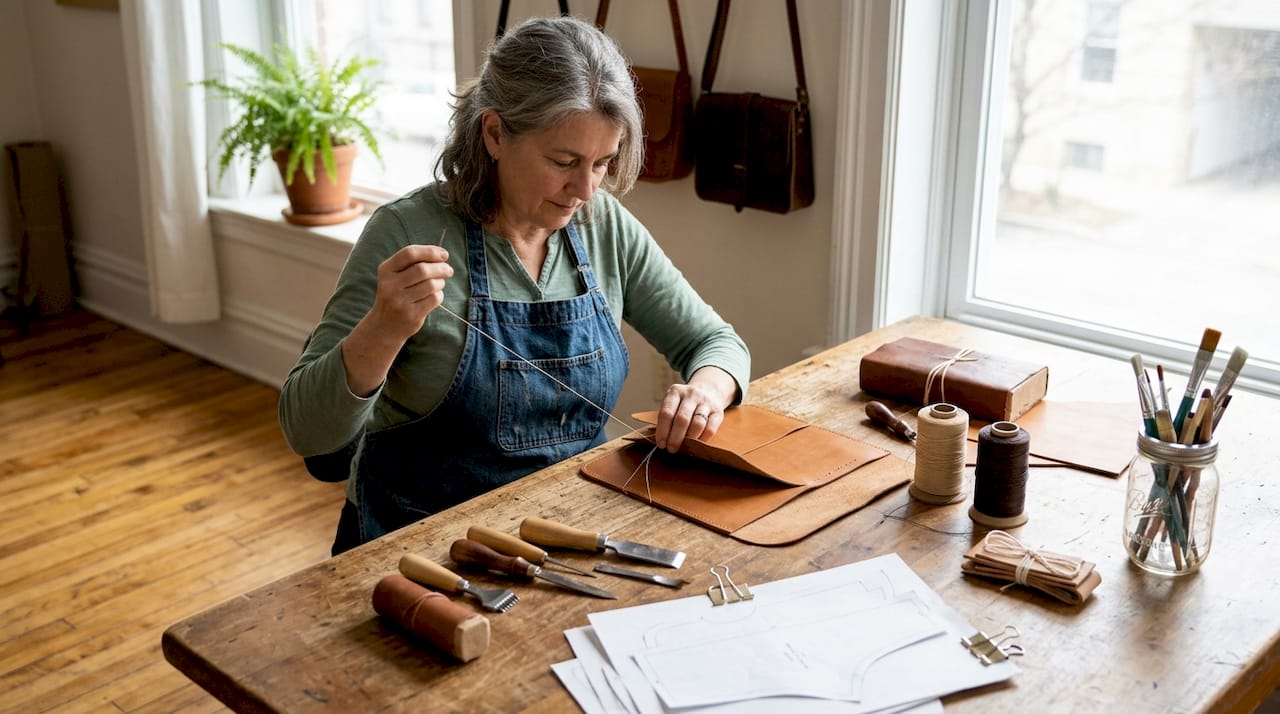
Craftsmanship defines the soul of handmade bags. It represents the accumulated skills, techniques, and personal attention artisans invest in every stitch, seam, and finish. Unlike factory production where machines dictate uniformity, handmade bags emerge from human hands that understand material behaviour, structural integrity, and aesthetic balance. This distinction matters because it determines whether your bag becomes a cherished companion or a disposable accessory.
Authentic artisan work reflects knowledge passed through generations or developed through years of dedicated practice. Skilled makers select materials based on texture, weight, and durability rather than cost alone. They understand how leather ages, how canvas withstands stress, and which stitching patterns provide both strength and visual appeal. This expertise translates into bags that develop character over time whilst maintaining structural integrity.
Material selection separates exceptional handmade bags from mediocre ones. Artisans examine hide quality, test fabric resilience, and source hardware that won’t corrode or fail. They consider how components interact: whether straps distribute weight comfortably, if closures align properly under daily use, and whether the bag maintains its shape when filled. These considerations create products that function beautifully for years.
However, not all handmade work delivers quality. Poor artisan work fails quickly, disappointing buyers who expected superior durability. Recognising quality requires examining stitching consistency, material thickness, and construction logic. Quality handmade bags feature reinforced stress points, even stitching without loose threads, and hardware securely attached through multiple anchor points.
Pro Tip: Examine the interior finishing of handmade bags. Quality artisans finish seams and edges inside as carefully as outside, preventing fraying and demonstrating true craftsmanship commitment.
Craftsmanship contributes directly to durability and aesthetic uniqueness. When an artisan hand-cuts leather, slight variations create organic beauty that machine cutting cannot replicate. When they hand-stitch seams, the thread tension adapts to material thickness, creating stronger bonds than automated stitching. These human touches accumulate into bags that feel alive rather than manufactured.
The bag craftsmanship uk fashion scene demonstrates how traditional techniques merge with contemporary design. British artisans combine heritage skills with modern aesthetics, producing bags that honour craft traditions whilst serving current lifestyle needs. This approach creates accessories that transcend temporary trends, remaining relevant across seasons and years.
Key elements that distinguish quality handmade bags include:
- Reinforced stitching at stress points like strap attachments and base corners
- Hand-selected materials with consistent quality throughout the piece
- Thoughtful construction that considers daily use patterns and wear points
- Finishing details like edge treatment and lining quality that enhance longevity
- Design proportions that balance aesthetic appeal with practical functionality
Comparing handmade and mass-produced bags: benefits and drawbacks
Price represents the most obvious difference between handmade and mass-produced bags. Factory-made options cost less because automation, bulk materials, and economies of scale reduce per-unit expenses. Handmade bags command higher prices reflecting artisan time, quality materials, and small-batch production. This price gap misleads consumers into believing mass-produced bags offer better value, but cost per year of use tells a different story.
Mass-produced bags are cheaper, trendy but less durable and ethical compared to handmade alternatives. Factory bags often use synthetic materials that degrade within months, stitching that unravels under stress, and hardware that corrodes or breaks. A £30 mass-produced bag lasting one year costs the same annually as a £150 handmade bag lasting five years, yet the handmade option delivers superior performance throughout its lifespan.
Durability differences stem from material quality and construction methods. Mass production prioritises speed over strength, using thinner materials and minimal reinforcement. Handmade bags employ robust fabrics, reinforced stitching, and construction techniques that distribute stress effectively. This engineering approach means handmade bags withstand daily use, weather exposure, and heavy loads without premature failure.
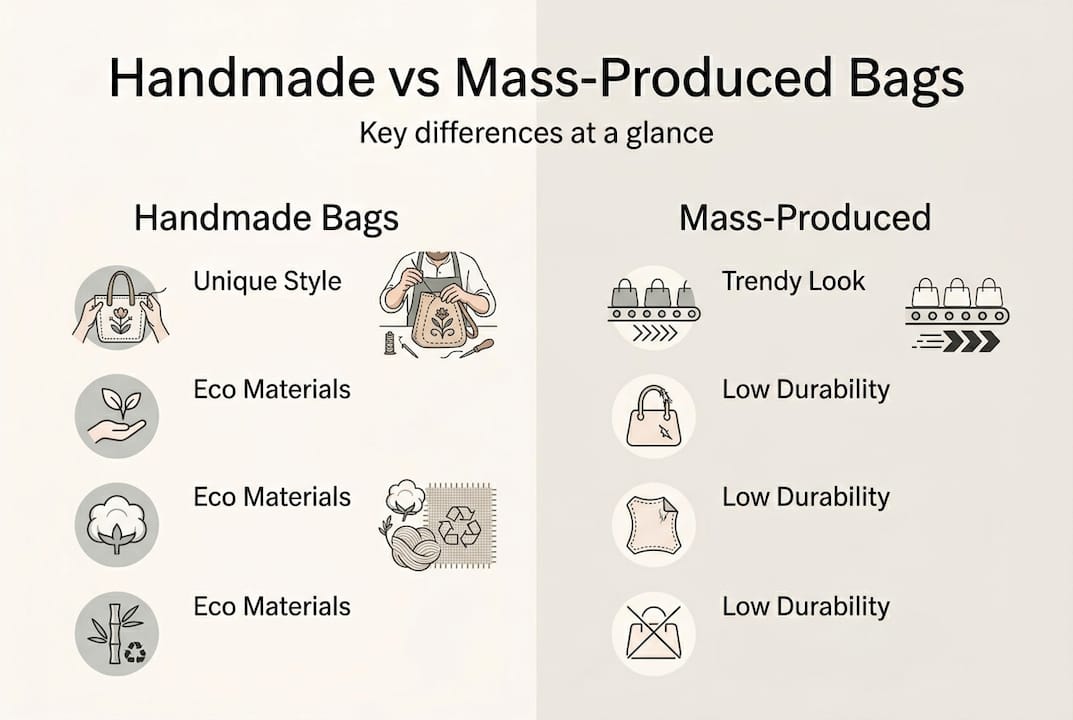
| Feature | Handmade bags | Mass-produced bags |
|---|---|---|
| Price range | £80-£300+ | £20-£80 |
| Typical lifespan | 5-10+ years | 6-18 months |
| Material quality | Premium, carefully selected | Standard, cost-optimised |
| Uniqueness | Each piece varies slightly | Identical units |
| Environmental impact | Lower waste, sustainable materials | Higher waste, synthetic materials |
| Labour conditions | Fair wages, artisan respect | Often exploitative, factory conditions |
Ethical considerations reveal stark contrasts. Mass production frequently relies on exploitative labour in regions with minimal worker protections. Factory employees face long hours, low wages, and unsafe conditions to meet aggressive production targets. Handmade bag creation typically supports artisans earning fair compensation, working in safe environments, and maintaining control over their craft. Your purchase decision directly impacts these workers’ lives.
Style uniqueness varies dramatically between production methods. Mass-produced bags follow trend forecasts, creating thousands of identical units that flood markets simultaneously. You’ll inevitably encounter others carrying the same bag, diminishing the personal expression accessories should provide. Handmade bags offer inherent uniqueness through material variations, artisan interpretation, and limited production runs. Even bags from the same pattern display subtle differences that make each piece individual.
Pro Tip: Consider eco-friendly bags in the UK that combine sustainable materials with contemporary design, proving ethical choices needn’t sacrifice style.
Situations exist where each bag type serves appropriately. Mass-produced bags suit temporary needs like festival accessories or experimental styles you’re unsure about. Handmade bags excel as everyday companions, professional accessories, and pieces representing your personal brand. The key lies in matching purchase intention with production method, avoiding the false economy of buying cheap bags repeatedly when one quality piece would serve better.
Key comparison points include:
- Handmade bags offer superior longevity through quality materials and construction
- Mass-produced options provide trend access at lower initial cost
- Ethical production practices distinguish handmade from factory manufacturing
- Style individuality comes naturally with handmade, rarely with mass production
- True value emerges from cost per year of use, not purchase price alone
The sustainability advantage of handmade bags
Sustainability in fashion extends beyond recycling; it encompasses material sourcing, production methods, labour ethics, and product longevity. Handmade bags excel across these dimensions, offering fashion-conscious consumers a way to express style without environmental guilt. Small-scale artisan production inherently reduces waste, energy consumption, and carbon emissions compared to factory manufacturing.
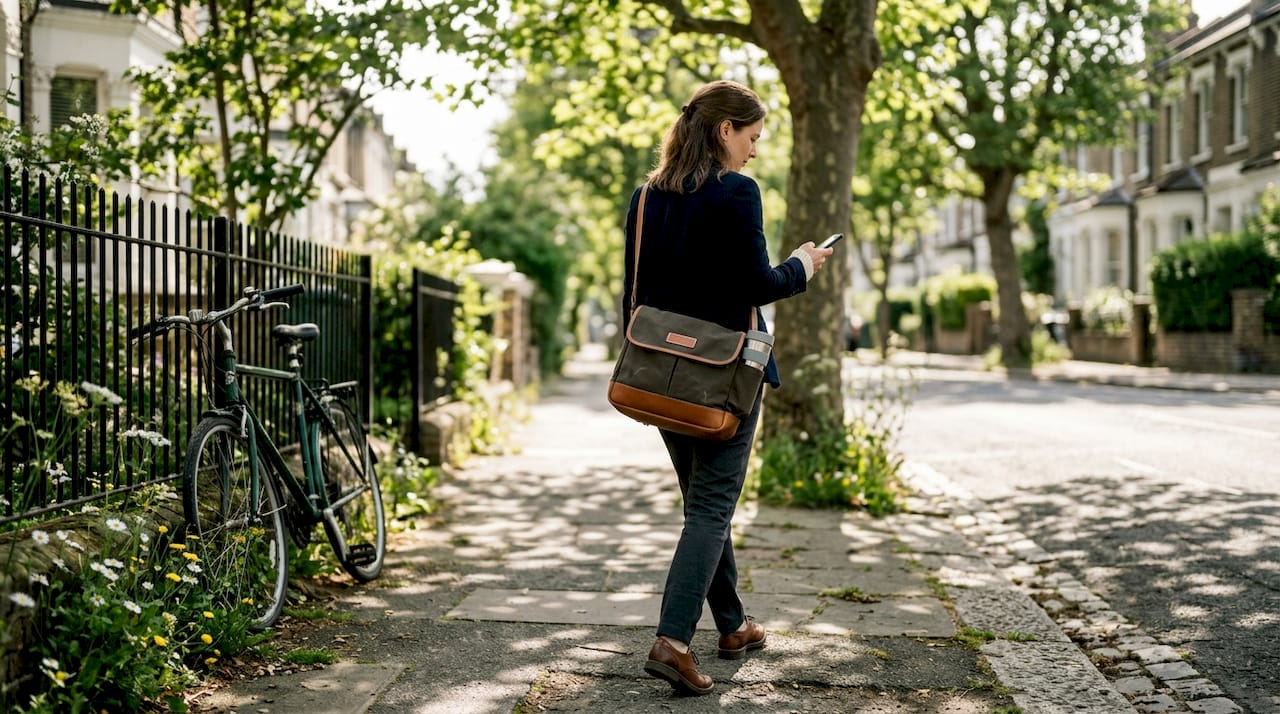
Handmade bag makers commonly prioritise eco-conscious materials like organic cotton, vegetable-tanned leather, and reclaimed fabrics. These materials require less chemical processing, biodegrade naturally, and often come from renewable sources. Artisans select materials based on environmental impact as well as performance, understanding that sustainability and quality complement rather than contradict each other. This material consciousness creates bags that feel good to own on multiple levels.
Small-scale production dramatically reduces environmental footprint. Artisan workshops avoid the massive energy consumption of factory production lines, the transportation emissions of global supply chains, and the material waste of bulk manufacturing. When an artisan cuts fabric, they optimise pattern placement to minimise waste. When they source materials, they often choose local suppliers, reducing transportation emissions. These cumulative decisions create significantly lower environmental impact per bag.
Upcycled alternatives rival handmade bags in sustainability but often cost less, presenting another sustainable option. Upcycled bags transform existing materials like vintage textiles or discarded leather into new products, preventing waste whilst requiring minimal new resource extraction. However, handmade bags using virgin sustainable materials offer superior durability and design flexibility, creating different value propositions within the sustainable fashion spectrum.
Ethical labour practices form an integral sustainability component often overlooked in environmental discussions. Handmade bag production typically ensures fair wages, safe working conditions, and artisan autonomy. These human considerations matter as much as environmental ones because true sustainability encompasses social justice. Supporting artisans who earn living wages and work with dignity creates positive social impact alongside environmental benefits.
“Choosing handmade bags represents a vote for slower fashion, where quality supersedes quantity and craftsmanship matters more than trends. Each purchase supports artisan livelihoods whilst reducing the environmental burden of disposable fashion culture.”
Consumer impact multiplies when choosing handmade over mass-produced bags. Your purchase directly supports sustainable business models, demonstrating market demand for ethical production. This demand encourages more artisans to adopt sustainable practices and signals to mass producers that consumers value environmental responsibility. Individual choices aggregate into market forces that reshape industry practices.
The sustainable bag design explained approach demonstrates how environmental consciousness integrates with aesthetic appeal and functionality. Sustainable design considers material lifecycle, production impact, product longevity, and end-of-life disposal. Handmade bags naturally align with these principles through careful material selection, durable construction, and timeless design that resists obsolescence.
Pro Tip: Research artisan material sources before purchasing. Quality makers transparently share where materials originate and how they’re processed, demonstrating genuine sustainability commitment rather than greenwashing.
Sustainability advantages of handmade bags include:
- Reduced carbon footprint through small-scale, local production methods
- Eco-conscious material selection prioritising renewable and biodegradable options
- Minimal waste through careful pattern cutting and material optimisation
- Fair labour practices ensuring artisan wellbeing and economic justice
- Extended product lifespan reducing consumption frequency and disposal waste
- Support for sustainable business models that prioritise planet over profit maximisation
Choosing the right handmade bag for your style and needs
Selecting a handmade bag requires balancing aesthetic preferences with practical requirements. Your ideal bag reflects personal style whilst serving daily functional needs effectively. Start by assessing how you’ll use the bag: commuting, travel, casual outings, or professional settings. Each context demands different features, from compartment organisation to weather resistance.
Personal style preferences guide aesthetic choices like colour, texture, and silhouette. Consider your existing wardrobe palette and whether you want the bag to complement or contrast. Handmade bags offer diverse styles from minimalist modern to vintage-inspired, bohemian to structured professional. The beauty of choosing handmade lies in finding pieces that resonate personally rather than following mass-market trends.
Material evaluation determines durability and maintenance requirements. Canvas offers lightweight durability and casual aesthetic appeal, perfect for everyday use and weather resistance. Leather develops rich patina over time, providing sophisticated appearance and exceptional longevity with proper care. Waxed cotton combines water resistance with organic texture. Understanding material properties helps match bags to your lifestyle and care commitment.
Practical considerations for selecting handmade bags:
- Assess size requirements based on daily carry items and typical use contexts
- Evaluate compartment organisation for phones, wallets, keys, and other essentials
- Consider closure types: zips offer security, magnetic clasps provide quick access, drawstrings suit casual styles
- Test strap comfort and adjustability, especially for bags you’ll carry extensively
- Verify construction quality through stitching inspection, hardware testing, and material examination
- Research maker credentials, customer reviews, and craftsmanship reputation before purchasing
Supporting ethical brands requires verification beyond marketing claims. Investigate maker backgrounds, production transparency, and material sourcing practices. Quality artisans willingly share their process, material origins, and business values. Be wary of vague sustainability claims without specific details about materials, production methods, or artisan compensation.
The uk fashion bags guide offers comprehensive advice for matching bags to occasions whilst maintaining personal style consistency. British fashion sensibilities balance classic elegance with contemporary edge, creating versatile accessories that transition across contexts. This approach helps you select bags that work hard across multiple scenarios rather than serving single purposes.
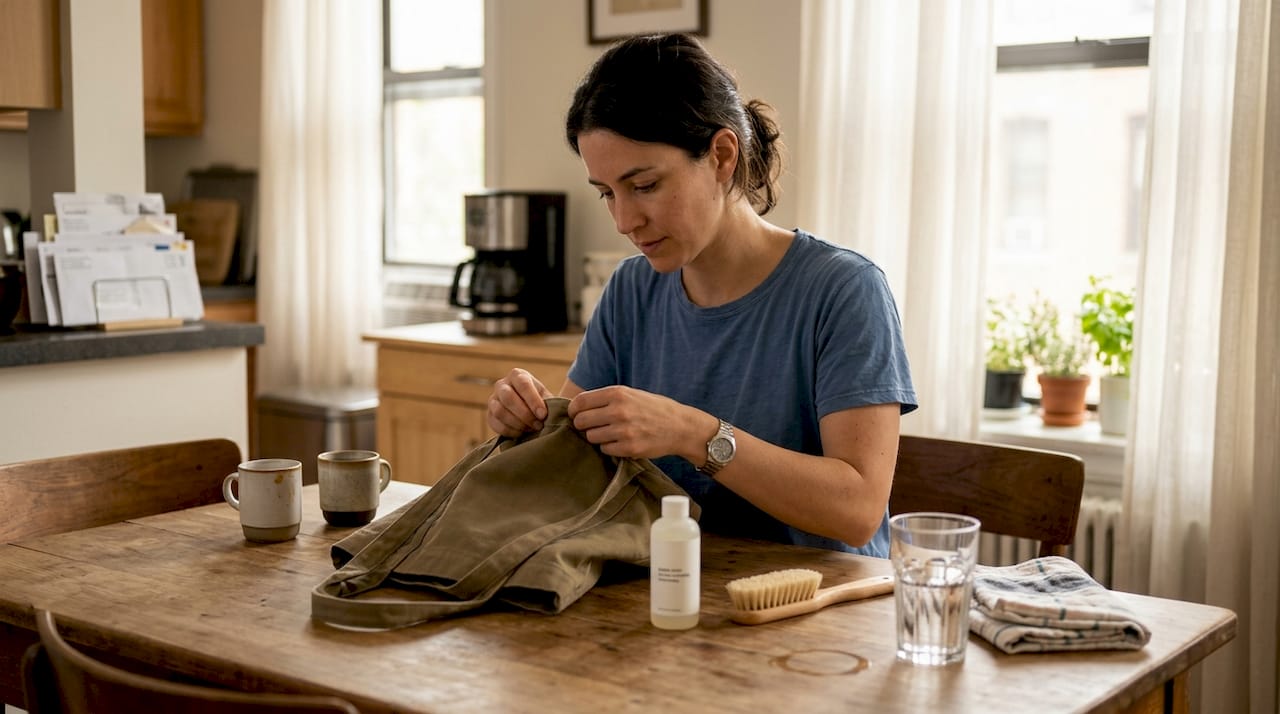
Caring for handmade bags extends their already impressive lifespan. Regular cleaning prevents dirt accumulation that degrades materials. Conditioning leather maintains suppleness and prevents cracking. Storing bags properly when not in use preserves shape and prevents unnecessary wear. These simple maintenance practices protect your investment whilst honouring the craftsmanship invested in creation.
Pro Tip: Many artisans offer repair services for their handmade bags, allowing you to refresh worn components rather than replacing entire bags. This extends lifespan dramatically whilst maintaining the original character you love.
Finding reputable handmade bag makers involves researching artisan markets, craft fairs, and ethical fashion platforms. Online marketplaces specialising in handmade goods connect consumers with verified artisans. Social media allows direct artisan engagement, providing transparency into their process and values. Local makers offer the advantage of examining bags physically before purchasing, though quality online makers provide detailed imagery and generous return policies.
Explore elegant handmade bags at Troop London
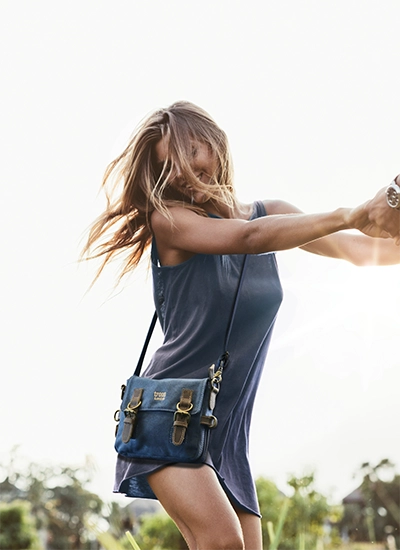
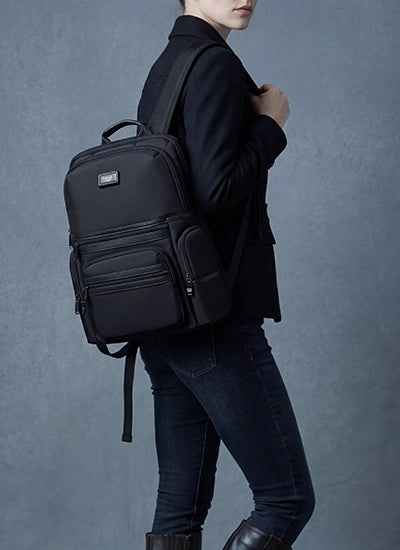
Finding handmade bags that combine sustainability, craftsmanship, and contemporary style requires discovering brands that genuinely prioritise these values. Troop London specialises in canvas accessories crafted with meticulous attention to detail, using organic materials and sustainable production methods. Their collections showcase vintage-inspired designs that honour traditional craftsmanship whilst serving modern lifestyle needs.

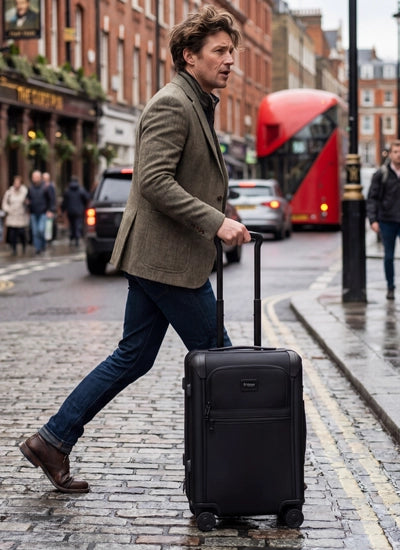
The curated selection at Troop London features backpacks, crossbody bags, and messenger styles designed for durability and everyday elegance. Each piece reflects thoughtful construction using premium canvas and quality hardware that withstands years of use. Whether you need a professional companion for commuting or a versatile weekend bag, their collections offer options that align with conscious consumer values without compromising aesthetic appeal.
FAQ
Are handmade bags worth the extra cost?
Handmade bags justify higher prices through superior durability, unique style, and ethical production that mass-produced alternatives cannot match. They typically last five to ten years compared to months for factory bags, making the cost per year of use comparable or lower. The combination of quality materials, skilled construction, and sustainable practices creates value extending beyond initial price, offering both practical benefits and the satisfaction of supporting ethical craftsmanship.
How can I identify genuine handmade bags?
Genuine handmade bags display artisan details like slight stitching variations, quality material consistency, and careful interior finishing that machines cannot replicate. Research the seller’s background, looking for transparency about production methods, artisan credentials, and material sourcing. Be cautious of unusually cheap items labelled handmade, as authentic artisan work requires time and skill that command fair pricing. Quality makers proudly share their process and welcome questions about craftsmanship.
Are handmade bags more sustainable than upcycled options?
Both handmade and upcycled bags promote sustainability but offer different benefits depending on personal priorities. Upcycled alternatives rival handmade in sustainability at lower cost by transforming existing materials into new products, preventing waste effectively. Handmade bags using virgin sustainable materials typically offer superior durability and design flexibility. Your choice depends on whether you prioritise maximum waste reduction, craftsmanship uniqueness, or specific aesthetic preferences, as both options support environmental responsibility over mass production.
How do I care for handmade bags to maximise their lifespan?
Proper care starts with regular cleaning using appropriate methods for your bag’s material: soft brushes for canvas, specialised cleaners for leather, and gentle spot treatment for stains. Condition leather periodically to maintain suppleness and prevent cracking. Store bags in dust covers or breathable containers away from direct sunlight and extreme temperatures. Address minor repairs promptly before they worsen, and consider professional restoration for significant wear. Many artisans offer repair services, allowing you to refresh components whilst preserving the original bag’s character and extending its useful life considerably.