
Why Upgrade Your Bag: Making Everyday Stylish
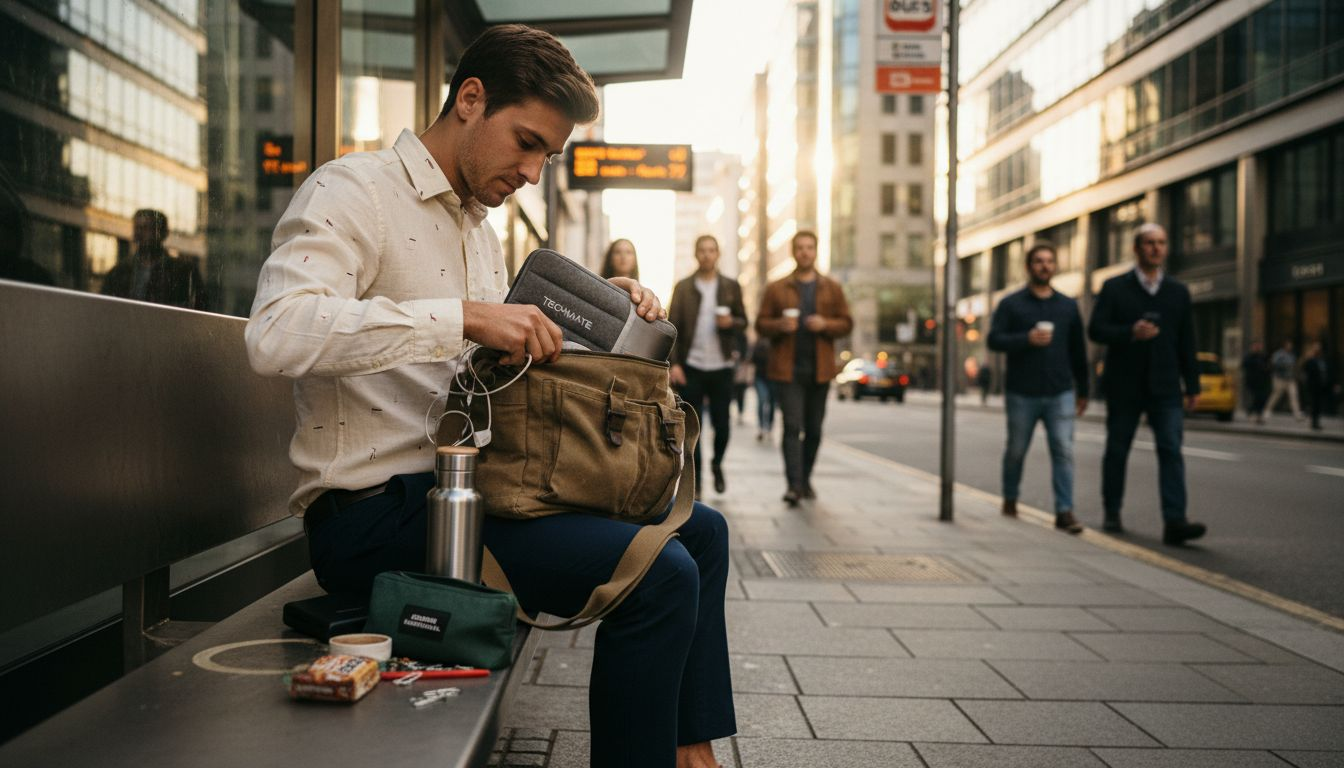
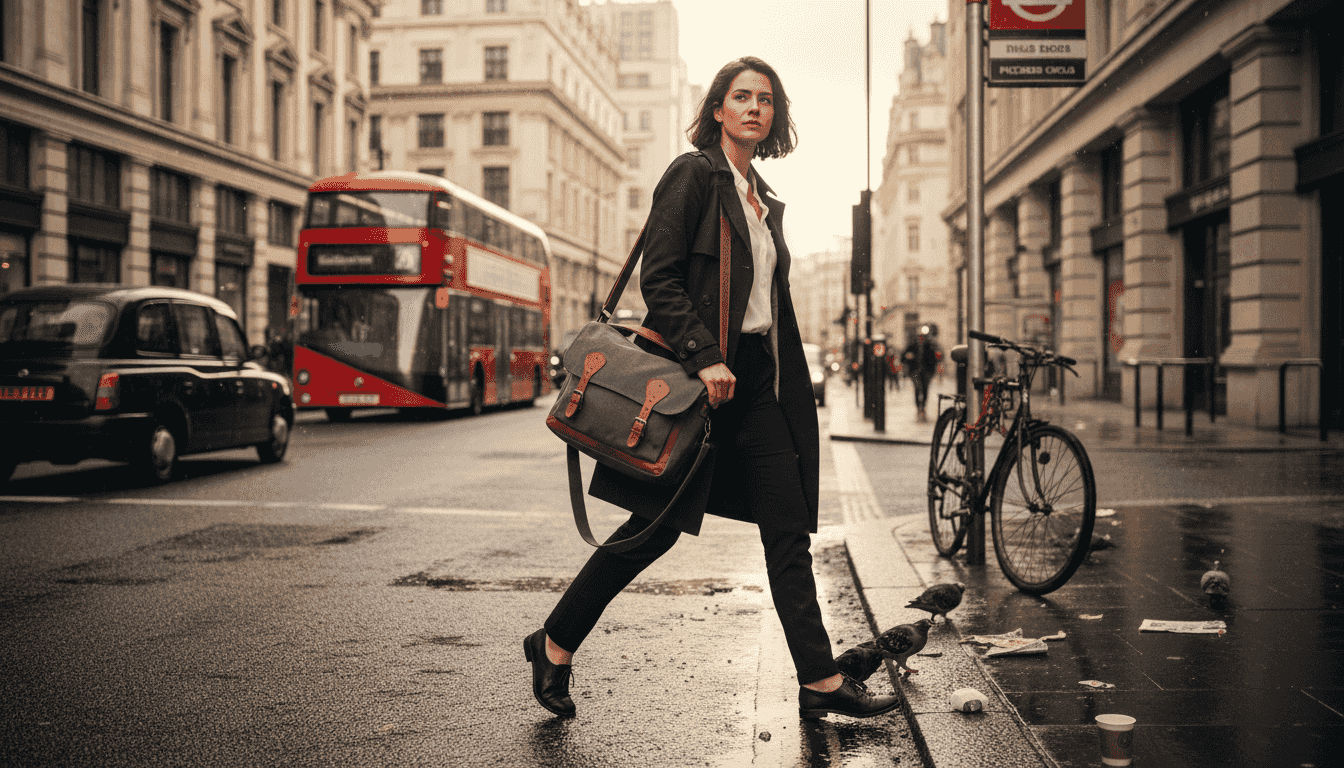
Finding a bag that keeps up with your daily routine can feel like an endless compromise between style, durability, and sustainability. For professionals crossing busy British streets and students dashing between lectures, a reliable, well-designed bag is more than just an accessory—it is a daily companion that should fit your needs perfectly. Thoughtful upgrading means moving from frustration to reliable function, creating a blend of confidence, practicality, and personal style that stands the test of time. Discover how an intentional choice can transform your everyday journeys.
Table of Contents
- What Upgrading Your Bag Really Means
- Bag Types And Material Differences
- Durability, Functionality, And Style Benefits
- Eco-Friendly Choices And Sustainable Impact
- Costs, Risks, And Common Buying Mistakes
Key Takeaways
| Point | Details |
|---|---|
| Upgrade Reflects Needs | Select a bag that addresses specific functionality gaps in your current one, rather than just aesthetic appeal. |
| Material Choice Matters | Understand how different materials affect durability, performance, and environmental impact. |
| Avoid Common Pitfalls | Focus on functionality and quality over brand names and appearance to make a worthwhile investment. |
| Sustainability is Key | Choose durable, eco-friendly bags to reduce waste and support responsible manufacturing practices. |
What Upgrading Your Bag Really Means
Upgrading your bag isn’t about chasing the latest trend or replacing a perfectly good carrier with something flashy. Instead, it’s about identifying what your current bag lacks and deliberately selecting something that addresses those gaps.
The real definition of upgrading involves a shift from frustration to function. Perhaps your current rucksack lacks proper compartments for your laptop, or your messenger bag doesn’t distribute weight evenly during your commute. Maybe your work tote offers no weather protection for important documents. Overcoming these practical frustrations through thoughtful bag selection is what genuine upgrading means.
This process starts with honest self-assessment. Consider what happens in your daily routine:
- Where does your current bag let you down?
- What features would genuinely improve your day?
- Does your lifestyle demand specific functionality you’re currently missing?
- Are organisational gaps creating unnecessary stress?
Upgrading means designing or selecting a bag tailored to your specific needs rather than generic appeal. A student’s upgrade looks entirely different from a commuting professional’s upgrade.
For students juggling lectures, libraries, and part-time work, an upgrade might mean choosing a bag with dedicated laptop storage, multiple smaller compartments for keeping notes separate, and enough capacity for books without sagging shoulders. For professionals, it might involve proper laptop protection and professional appearance that works in client meetings.
The style element comes naturally when function aligns with your lifestyle. A durable canvas bag that actually organises your belongings becomes stylish because it works beautifully. There’s confidence in using something practical and well-made, not self-consciousness about reaching for a struggling, ill-fitting carrier.
Three elements define a genuine upgrade:
- Functionality that solves your real problems
- Durability so it lasts beyond a season
- Aesthetic appeal that reflects your personal style
Your upgrade should eliminate daily frustrations, not create new ones or add unnecessary features you’ll never use.
Many people keep bags that don’t serve them well enough simply from habit. Upgrading means breaking that cycle and choosing something intentional. It’s about respecting your time, your belongings, and your sense of style enough to carry something genuinely suitable.
Pro tip: Before upgrading, spend a week noting every time your current bag frustrates you. These specific pain points reveal exactly what features matter most in your next bag.
Bag Types and Material Differences
Not all bags are created equal. The material you choose fundamentally determines how your bag performs, ages, and fits into your lifestyle. Understanding the differences helps you pick something that actually works for you.
Canvas stands out as the go-to material for everyday bags. It’s durable, ages beautifully, and develops character over time. Canvas bags withstand daily wear without falling apart, making them ideal for students and professionals who need reliability. They’re also breathable, so your belongings don’t trap moisture.
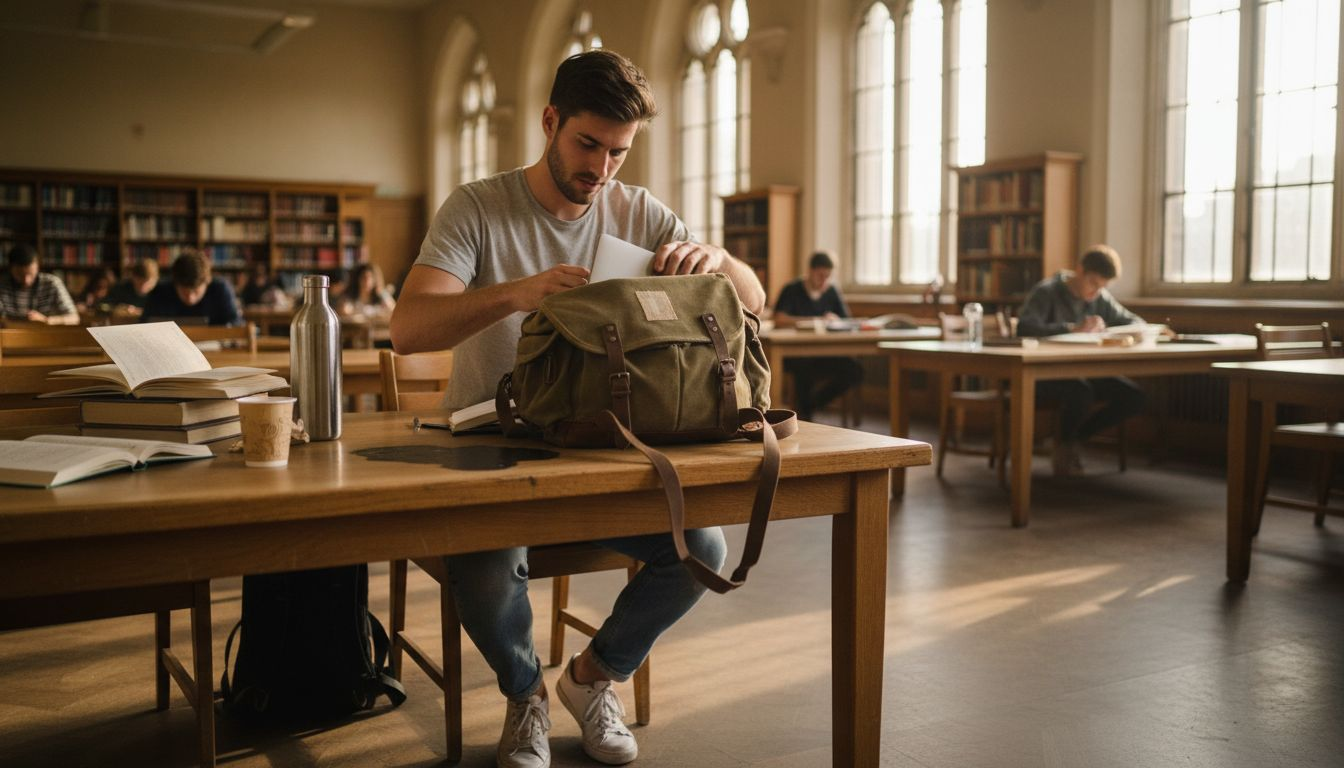
Nylon and synthetic fabrics offer lightweight alternatives with excellent water resistance. These materials excel when weather protection matters. A nylon rucksack sheds rain effortlessly, protecting electronics and documents. However, synthetics can feel less natural and don’t develop that distinctive patina canvas does.
Leather provides sophistication and durability, though at a higher cost and maintenance requirement. Genuine leather actually improves with age, developing a unique finish. The trade-off is that leather demands regular care to prevent cracking and fading.
Material choice impacts durability, weight, and environmental resistance, so your decision should reflect what your daily life demands.
Common bag types suit different purposes:
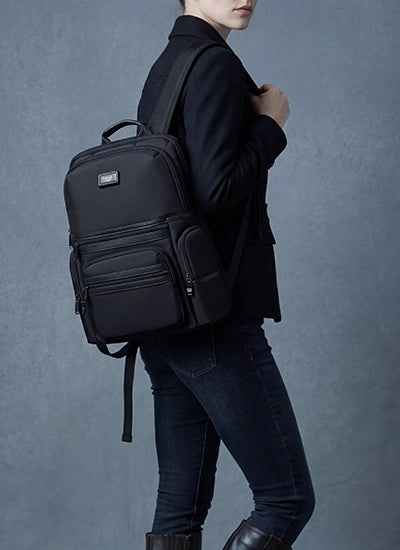
- Rucksacks: Distribute weight evenly across shoulders, perfect for students and commuters
- Messenger bags: Swing across your body, ideal for quick access during work
- Tote bags: Open-top carriers, great for shopping or casual outings
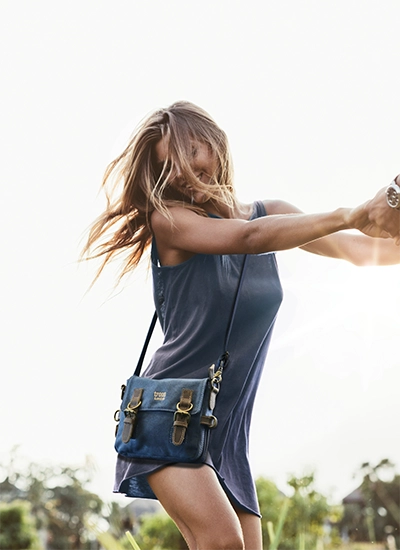
- Crossbody bags: Hands-free option with organised compartments
- Briefcase styles: Professional appearance for workplace settings
Each type works better with certain materials. Canvas rucksacks feel natural and casual. Nylon messenger bags perform brilliantly in wet weather. Leather crossbody bags project confidence in professional environments.
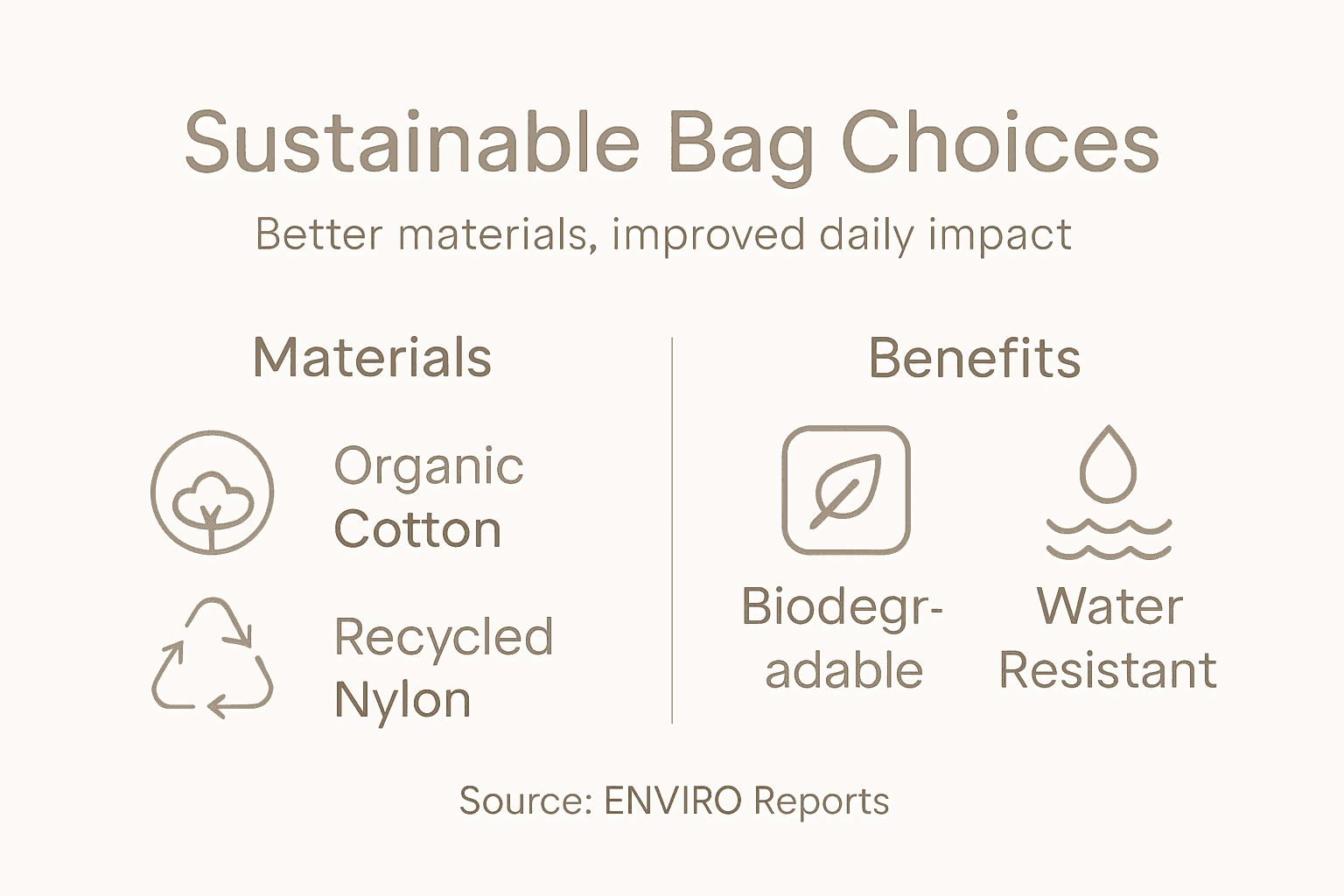
Sustainability matters when choosing materials. Organic cotton bags decompose naturally. Recycled plastic fabrics reinforce sustainable values whilst reusing waste materials that would otherwise clog landfills. Canvas from sustainable sources combines durability with environmental responsibility.
To help clarify which bag to choose, here’s how common bag materials compare:
| Material | Longevity & Maintenance | Weather Protection | Sustainability Impact |
|---|---|---|---|
| Canvas | Lasts years; low upkeep | Moderate; not fully waterproof | Organic cotton reduces water use |
| Nylon/Synthetics | Resist wear; minimal care | Excellent rain defence | Can be recycled; less natural |
| Leather | Ages well; demands care | Varies, often not waterproof | Biodegradable but resource intensive |
| Upcycled/Organic | Varies; depends on source | Depends on base material | Diverts waste from landfill |
Select a material and type combination that matches both your daily demands and your values, not just what looks good in the shop.
Your upgrade should feel right in your hands and perform reliably day after day. A canvas messenger bag suits someone commuting on trains. A synthetic rucksack works better for someone cycling in British weather. Match the material to your reality.
Pro tip: Check how the material handles your specific climate and daily activities before buying; a beautiful bag that struggles with rain or weight distribution will frustrate you every single day.
Durability, Functionality, and Style Benefits
Upgrading to a quality bag isn’t a luxury—it’s an investment that pays dividends every single day. A genuinely better bag transforms how you feel about the things you carry and how you navigate your routine.
Durability is the foundation everything else builds on. A bag that lasts five years costs far less per use than one you replace annually. Quality construction means zips that don’t jam, seams that hold, and materials that resist wear. You stop worrying about your bag failing and start trusting it completely.
When a bag actually works properly, everything else follows naturally. Functionality means pockets where you need them, compartments that organise rather than jumble everything together, and weight distribution that doesn’t leave you aching after your commute. A well-designed bag adapts to your life instead of fighting against it.
These practical benefits create genuine style. Durable bags designed for everyday wear develop a lived-in character that fashion-focused alternatives never achieve. A canvas bag that’s been carried for two years tells a story of reliability and care.
Consider the ripple effects of upgrading:
- You stop hunting for misplaced items buried in poorly organised compartments
- Your shoulders experience less strain from properly distributed weight
- You feel more put-together walking into meetings with a professional-looking bag
- You reduce waste by keeping one bag for years instead of constantly replacing it
- Your belongings remain protected through quality construction and weather resistance
Environmental impact matters too. Durable bags for life reduce single-use plastic waste whilst supporting sustainable consumption. Using the same bag repeatedly aligns with contemporary lifestyle demands. You’re making a choice that feels good practically and ethically.
Style emerges from confidence. Someone carrying a bag that handles their day beautifully moves through the world differently than someone fighting with a struggling carrier. The bag becomes invisible because it works so well, and that reliability becomes its own kind of elegance.
A truly upgraded bag solves problems you didn’t realise you had, making your daily routine smoother and your choices feel intentional.
The benefits compound over time. After three months with a properly functional bag, you’ll struggle to remember what frustrated you before. That’s when you know you’ve made the right upgrade.
Below is a summary of upgrade benefits beyond mere appearance:
| Benefit | Long-Term Effect | Practical Example |
|---|---|---|
| Durability | Reduces replacement frequency | Bag lasts five years with daily use |
| Intelligent Function | Streamlines daily organisation | Dedicated laptop section prevents damage |
| Style through Utility | Boosts confidence naturally | Durable design fits client meetings |
| Eco Impact | Minimises waste, supports values | Canvas avoids single-use plastic |
Pro tip: Test a bag’s functionality during your first week by noting whether you use every pocket and compartment; if certain features remain unused after seven days, you’ve chosen wisely.
Eco-Friendly Choices and Sustainable Impact
Choosing to upgrade your bag carries weight beyond personal benefit. Every bag decision contributes to broader environmental patterns, and selecting wisely creates tangible positive impact.
Traditional plastic bags persist in landfills for centuries. They fragment into microplastics, contaminate soil, and harm wildlife. By contrast, upgrading to a durable alternative you’ll use for years eliminates the cycle of constant replacement and disposal. One quality canvas bag replaces dozens of single-use carriers.
Sustainable materials now offer genuine innovation. Upcycled materials from retired textiles transform discarded NHS uniforms and industrial fabric waste into stylish, functional bags. This approach reduces landfill burden whilst supporting community causes. You’re not just buying a bag; you’re funding circular economy initiatives.
Material matters enormously. Canvas from organic cotton avoids pesticides and chemical processing. Recycled polyester captures waste that would otherwise pollute oceans. Some manufacturers now experiment with biodegradable cellulose from plant waste, offering compostable alternatives to fossil-based synthetics.
Consider the environmental impact of your choice:
- A single-use plastic bag: used once, pollutes for 500 years
- A canvas bag used twice weekly: replaces 260 plastic bags annually over five years
- Organic cotton production: uses 88% less water than conventional cotton
- Recycled materials: reduce manufacturing emissions by 30-40%
- Upcycled bags: divert textiles from landfill whilst supporting craftsmanship
Your upgrade vote with your wallet. Demand for sustainable bags pushes manufacturers towards better practices. Brands that prioritise durability and eco-friendly materials gain market share, encouraging innovation across the industry.
The calculation simplifies: durability equals sustainability. A bag lasting five years beats replacing three bags every two years. You reduce resource consumption, transportation emissions, and manufacturing waste simultaneously.
Choosing a durable, sustainably-made bag is one of the most straightforward environmental decisions you can make in everyday life.
This isn’t performative sustainability. It’s practical choice-making that aligns your values with your actions. You carry the same bag daily, so why not carry something that represents your commitment to genuine environmental responsibility?
Pro tip: Research your bag brand’s material sourcing before purchasing; ask whether they use organic cotton, recycled fibres, or upcycled materials, and check their manufacturing transparency claims.
Costs, Risks, and Common Buying Mistakes
Upgrading your bag involves real investment. Understanding where people go wrong helps you avoid expensive mistakes and choose something you’ll actually keep.
Price doesn’t guarantee quality. A £200 bag made poorly frustrates just as much as a £40 one. Conversely, excellent bags exist at moderate price points. The key is knowing what to evaluate before handing over your money.
Many people prioritise appearance over practical considerations. A bag that looks stunning but lacks proper compartments, weak stitching, or unsuitable materials becomes a daily source of regret. You’ll use this bag hundreds of times—aesthetics matter far less than function during actual use.
Common mistakes compound quickly. Overlooking construction quality like stitching and zips means your investment fails within months. Cheap stitching unravels. Poor zip mechanisms jam. These aren’t minor inconveniences; they’re dealbreakers that force replacement.
Here’s what people typically get wrong:
- Assuming branded bags automatically offer better value
- Ignoring material authenticity or checking vague labels
- Expecting waterproofing from materials unsuited to weather exposure
- Neglecting to examine seams, zips, and hardware closely
- Choosing style entirely over durability and practicality
- Failing to test weight distribution before purchasing
- Skipping research on supplier reliability and brand credibility
The false economy trap. Buying a cheaper bag to “save money” costs more over time. You replace it repeatedly, wasting funds and generating waste. A quality upgrade costs more initially but spreads across five years of daily use—the actual cost per month becomes minimal.
Test before committing. If possible, handle the bag in person. Check how it feels when weighted. Examine every zip, seam, and pocket. Ask about care requirements and warranty coverage. Material durability and design features significantly impact longevity, so invest time in due diligence.
Brand reputation matters more than brand familiarity. Research independent reviews from people who’ve owned bags for years, not months. Check return policies—good brands stand behind their products.
The most expensive bag is one you hate using or that fails within a year. The smartest purchase feels inevitable once you’ve done proper research.
Don’t rush this decision. Sleep on it. Compare options. Read reviews thoroughly. Your upgrade deserves careful consideration, not impulse buying.
Pro tip: Before purchasing, spend 15 minutes examining every detail: pull each zip multiple times, press on seams to check tension, inspect hardware for corrosion, and verify material labels match the brand’s descriptions.
Discover the True Meaning of a Bag Upgrade with Troop London
The article highlights common frustrations like poor organisation, lack of durability, and unsuitable materials that let you down daily. If you find yourself struggling with misplaced items, uncomfortable weight, or a bag that does not reflect your lifestyle and values upgrading means choosing functionally designed, hard-wearing bags crafted with premium materials. At Troop London, you will find a curated range of canvas backpacks, crossbody bags, and messenger bags made to solve these exact challenges, blending timeless style with thoughtful compartments and sustainable durability. Each bag is designed to eliminate everyday annoyances and boost your confidence, giving you a reliable accessory that fits your routine effortlessly.

Explore the Troop London collection today for accessories that transform frustration into elegance. Upgrade your bag with products that stand the test of time and reflect your personal style. Don’t settle for less when you can carry a bag designed with you in mind. Visit Troop London to find your perfect match and enjoy the feeling of effortless organisation and lasting quality now.
Frequently Asked Questions
What does it mean to upgrade your bag?
Upgrading your bag means selecting a new carrier that addresses the shortcomings of your current bag, focusing on functionality, durability, and style to improve your daily routine.
How can I identify what features I need in a new bag?
Consider your daily activities and note each time your current bag frustrates you. Focus on specific pain points, such as organisation, weight distribution, and weather protection, to determine the features that will genuinely enhance your experience.
What types of bags are best suited for different lifestyles?
Rucksacks are great for students and commuters needing weight distribution, while messenger bags suit quick-access needs at work. Tote bags work well for shopping, and crossbody bags provide hands-free convenience.
Why is the material of a bag important?
The material affects durability, weather resistance, and the bag’s overall appearance. Choosing the right material, such as canvas for longevity or nylon for water resistance, will enhance the bag’s functionality and help it fit your lifestyle.