




What Is a Utility Bag? Everyday Style and Function
Navigating city life means carrying more than just basics, especially when style and practicality go hand in hand. For fashion-conscious professionals and students in the UK, the right utility bag is more than a fashion accessory—it is a daily tool for managing work, studies, and leisure. With government regulations encouraging consumers to reuse and reduce plastic waste, choosing a utility bag that blends durability and modern design supports not only a personal aesthetic but also a more sustainable lifestyle.
Table of Contents
- Defining Utility Bags And Their Purpose
- Popular Types Of Utility Bags Explained
- Key Features And Materials Used
- How Utility Bags Fit Modern Lifestyles
- Comparing Utility Bags To Other Options
Key Takeaways
| Point | Details |
|---|---|
| Utility Bags Offer Versatility | Utility bags are crafted to transport items efficiently and adapt to various lifestyles, prioritising practicality. |
| Environmental Sustainability Awareness | The UK government’s regulations highlight the role of utility bags in reducing plastic waste, encouraging reusable options. |
| Diverse Materials and Designs | Utility bags are available in a range of materials and styles, catering to different preferences and functional needs. |
| Modern Functionality | These bags combine a stylish aesthetic with practical features, making them essential for urban living and conscious consumerism. |
Defining Utility Bags and Their Purpose
A utility bag represents more than just a simple carrier - it’s a versatile accessory designed to transport items efficiently while meeting contemporary lifestyle demands. Unlike traditional bags, utility bags prioritise practical functionality and adaptable design. These bags have evolved from basic carriers to sophisticated solutions that address modern urban mobility needs.
Utility bags serve multiple essential purposes in everyday life, with core functions including:
- Convenient item transportation
- Organised storage of personal belongings
- Adaptable carrying capacity
- Protection of contents during transit
- Ergonomic design for comfortable use
The UK government has recognised utility bags as critical tools in addressing environmental sustainability. Single-use carrier bag regulations demonstrate how these bags contribute to reducing plastic waste and promoting reusable alternatives. Modern utility bags are crafted to withstand repeated use, making them environmentally responsible choices for consumers.
These bags come in diverse materials and styles, ranging from lightweight canvas to durable synthetic fabrics. Their design accommodates various carrying preferences, whether slung across the body, worn as backpacks, or carried by handles. Urban professionals, students, and travellers appreciate utility bags for their seamless blend of practicality and aesthetic appeal.
Pro tip: Select a utility bag with multiple compartments to maximise organisation and ensure your everyday essentials remain easily accessible.
Popular Types of Utility Bags Explained
Utility bags represent a diverse range of carrying solutions, each designed to meet specific lifestyle and functional requirements. Understanding the various types helps consumers make informed choices that align with their daily needs. Government guidelines on carrier bags highlight the evolving landscape of bag designs and sustainability considerations.
The primary categories of utility bags include:
- Single-use carrier bags: Thin plastic bags typically charged at point of sale
- Reusable bags: Thicker, more durable options designed for multiple uses
- Bags for life: Environmentally friendly alternatives with extended durability
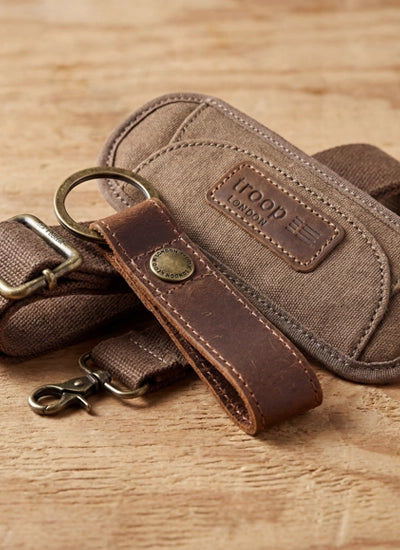
- Canvas utility bags: Sturdy, versatile options for everyday carrying
- Messenger bags: Urban-friendly designs with cross-body functionality
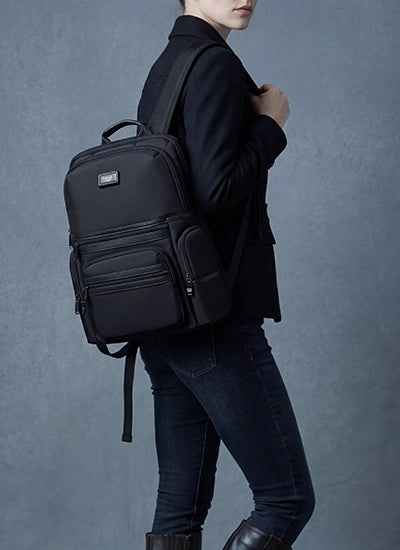
- Backpack utility bags: Ergonomic solutions for hands-free transportation
Each type of utility bag serves unique purposes across different contexts. Single-use bags remain prevalent for quick shopping trips, while reusable options have gained significant traction due to environmental concerns. Canvas utility bags offer a perfect blend of durability and style, making them particularly popular among urban professionals and students.
Modern utility bags are not just about transportation - they’re sophisticated accessories that reflect personal style and environmental consciousness. The UK carrier bag regulations have significantly influenced bag design, encouraging manufacturers to create more sustainable and long-lasting carrying solutions.
Pro tip: Invest in a versatile utility bag with multiple compartments that can transition seamlessly between work, travel, and leisure activities.
Key Features and Materials Used
Utility bags are sophisticated accessories engineered with precision and purpose. Recycling assessment methodology highlights the critical importance of material selection in creating high-performance carrying solutions that balance durability, functionality, and environmental responsibility.
The primary materials used in utility bag construction include:
- Canvas: Natural, robust textile with excellent wear resistance
- Recycled polyester: Sustainable synthetic material with high durability
- Woven polypropylene: Lightweight yet strong material
- Biodegradable textiles: Environmentally conscious alternatives
- Reinforced nylon: High-strength synthetic fabric
- Organic cotton: Eco-friendly natural material
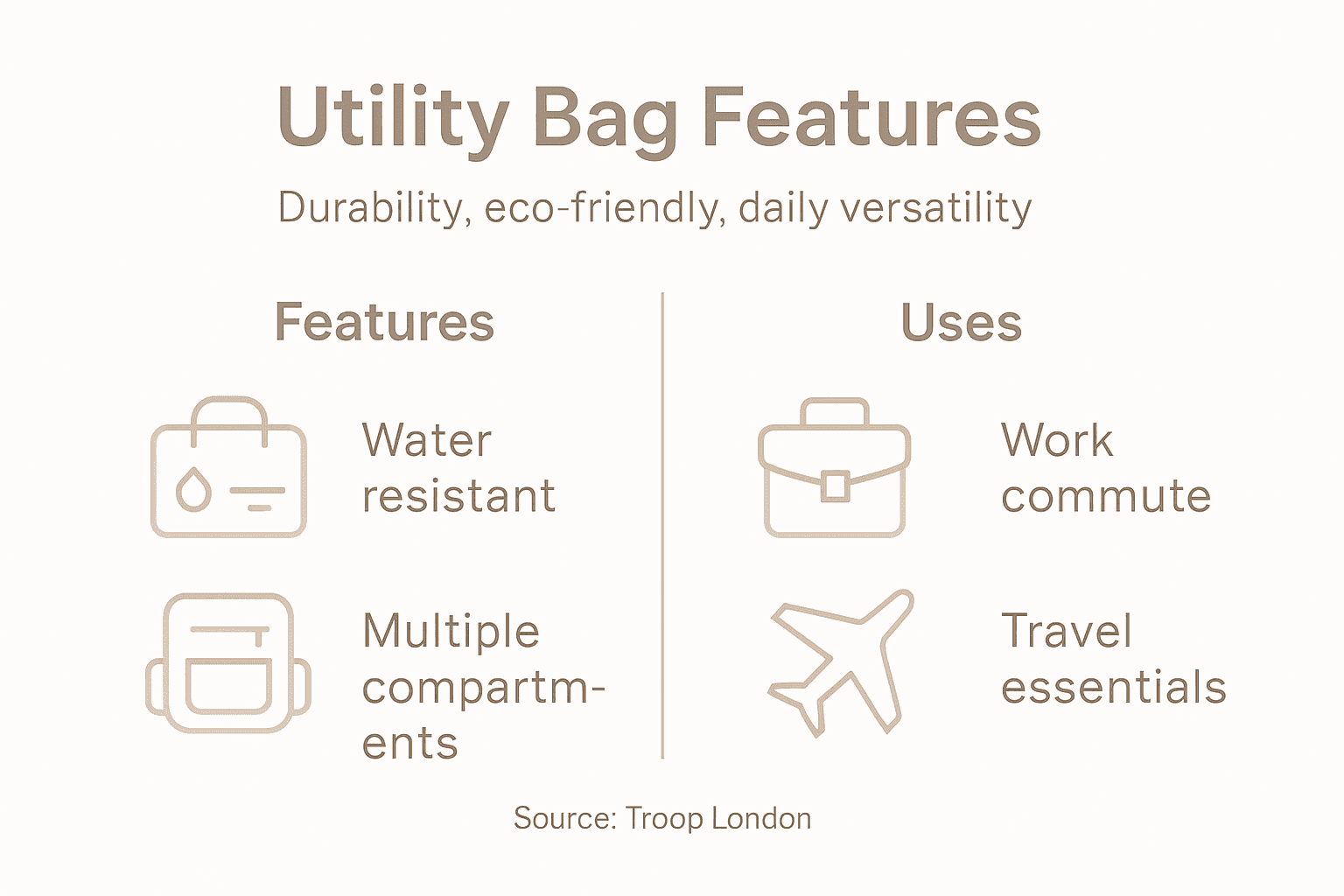
Key features that distinguish high-quality utility bags go beyond mere material composition. Water resistance, ergonomic handle design, and multiple compartment configurations are essential considerations for modern consumers. The health and safety storage guidelines emphasise the importance of bag design that prevents accidents and ensures practical usability.
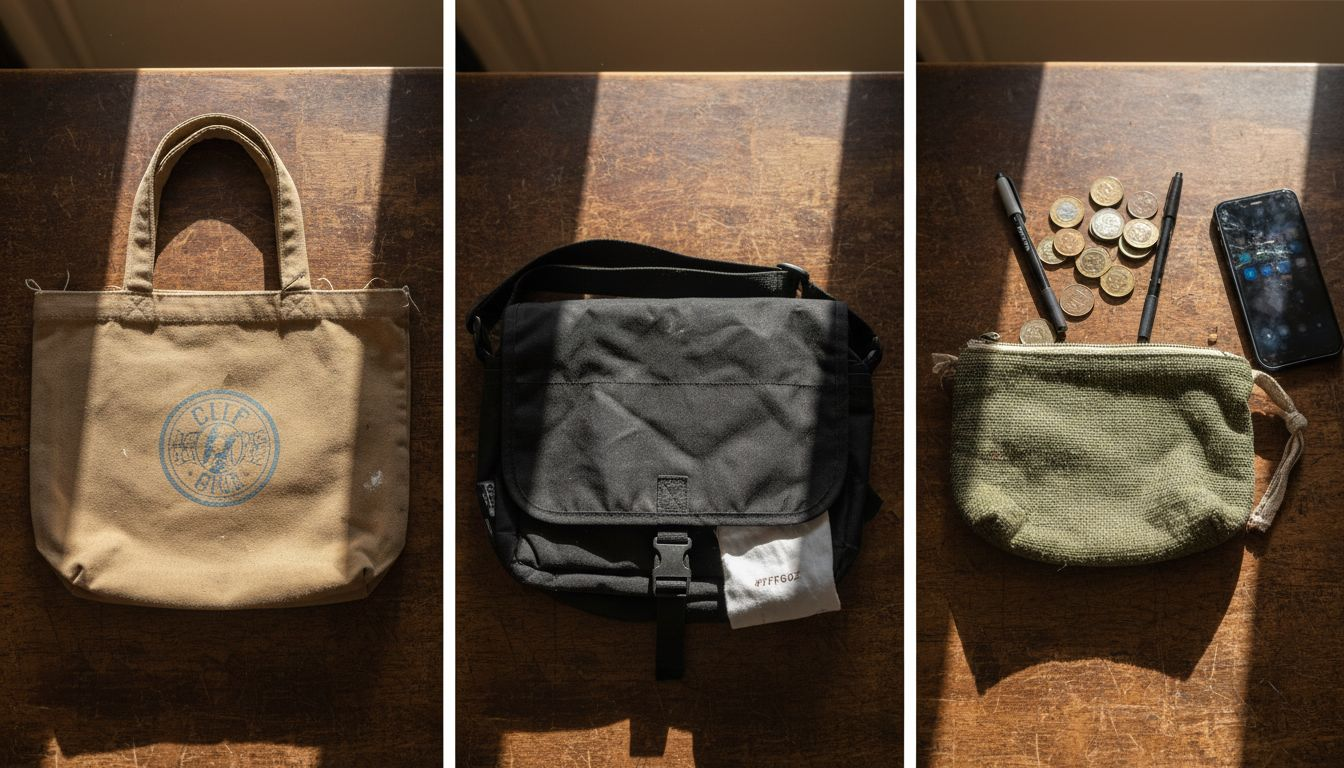
Manufacturers are increasingly focusing on creating utility bags that meet stringent environmental and safety standards. This means developing products that are not just functional, but also sustainable, easily cleanable, and compatible with modern waste management systems. The evolution of utility bag design reflects a broader commitment to reducing environmental impact while maintaining high performance.
Here is a summary comparing the materials used in utility bags and their environmental impact:
| Material | Durability Level | Environmental Impact | Typical Use Cases |
|---|---|---|---|
| Canvas | High | Low, biodegradable | Urban commuting, shopping bags |
| Recycled polyester | Very high | Moderate, recyclable | Travel, work, daily usage |
| Woven polypropylene | Moderate | Low, recyclable | Grocery shopping, events |
| Biodegradable textile | Medium | Minimal, compostable | Eco-friendly alternatives |
| Reinforced nylon | Very high | High, non-biodegradable | Sports, outdoor activities |
| Organic cotton | High | Low, renewable resource | Student bags, casual outings |
Pro tip: When selecting a utility bag, prioritise materials that offer a balance between durability, weight, and environmental sustainability.
How Utility Bags Fit Modern Lifestyles
Modern urban life demands accessories that seamlessly blend functionality with style, and utility bags have emerged as essential companions for contemporary professionals and students. Single-use plastic bag policies have dramatically transformed consumer attitudes, pushing utility bags from mere carrying solutions to statements of environmental consciousness.
Utility bags address multiple lifestyle needs through key adaptations:
- Flexible transportation for work and leisure
- Sustainable design reducing environmental impact
- Multipurpose functionality across different settings
- Compact storage for urban living spaces
- Ergonomic comfort during daily commutes
- Stylish aesthetic matching personal fashion choices
The versatility of utility bags reflects profound shifts in societal behaviours. Urban dwellers increasingly seek accessories that can transition smoothly between professional environments, fitness activities, and social gatherings. Environmental lifestyle changes demonstrate how these bags represent more than just practical items - they are symbolic of conscious consumer choices.
Consumers now prioritise bags that offer durability, style, and environmental responsibility. The modern utility bag is no longer just about carrying items, but about making a statement about personal values, lifestyle adaptability, and commitment to sustainable living.
Pro tip: Choose a utility bag that can effortlessly adapt to multiple scenarios, from professional meetings to weekend adventures.
Comparing Utility Bags to Other Options
Utility bags have revolutionised personal carrying solutions by offering a more sophisticated alternative to traditional bag types. Recycling assessment methodologies demonstrate the significant advantages utility bags hold over single-use and disposable options, particularly in terms of environmental sustainability and long-term functionality.
Compared to alternative carrying solutions, utility bags distinguish themselves through:
- Superior durability compared to single-use carriers
- Enhanced environmental credentials
- Versatile design accommodating multiple usage scenarios
- Cost-effectiveness over extended periods
- Greater structural integrity
- Reduced environmental waste
Traditional bag options like single-use plastic bags, paper bags, and standard shopping carriers pale in comparison to utility bags. Where paper bags quickly deteriorate and plastic bags create significant environmental harm, carrier bag regulations have highlighted utility bags as the most responsible carrying solution. These bags offer thicker materials, multiple usage capabilities, and often come with replacement guarantees that underscore their commitment to sustainable design.
Below is a comparison of utility bags versus traditional alternatives, highlighting key advantages:
| Bag Type | Lifespan | Environmental Impact | Notable Features |
|---|---|---|---|
| Utility Bag | Years | Reduces waste, sustainable | Multiple compartments |
| Single-use plastic | Single use | Serious pollution issues | Lightweight, disposable |
| Paper Bag | Short-term | Biodegradable, limited use | Prone to tearing |
| Standard shopping | Weeks to months | Moderate, semi-recyclable | Limited durability |
Modern consumers increasingly recognise that utility bags transcend mere transportation - they represent a conscious choice towards reducing waste, minimising environmental impact, and investing in practical, long-lasting accessories that adapt to diverse lifestyle requirements.
Pro tip: Select utility bags with reinforced handles and multiple compartments to maximise functionality and ensure prolonged usability.
Discover Practical Style with Troop London Utility Bags
The article highlights the challenge of finding utility bags that blend durability, environmental responsibility, and everyday style. Many struggle with bags that lack organisation, suffer from poor material quality, or fail to match their lifestyle needs. Troop London addresses these pain points by offering a curated collection of canvas utility bags designed to withstand daily use while reflecting timeless, vintage-inspired fashion. Their products prioritise functional design, multiple compartments, and eco-friendly materials, making them ideal for consumers who want reliability without compromising style.

Explore Troop London’s complete lineup of expertly crafted backpacks, messenger bags, and crossbody bags that fit seamlessly into modern urban living. Take action now to elevate your everyday carry with accessories that embody both sophistication and sustainability. Visit Troop London today and discover how premium craftsmanship meets practical need in every bag. Choose quality, support sustainable materials, and transform your utility bag experience with our collection.
Frequently Asked Questions
What are the main functions of a utility bag?
Utility bags serve multiple essential purposes, including convenient item transportation, organised storage of personal belongings, adaptable carrying capacity, protection of contents during transit, and ergonomic design for comfortable use.
How do utility bags contribute to environmental sustainability?
Utility bags are designed for repeated use, reducing dependency on single-use bags and helping to diminish plastic waste. They are often made from sustainable materials, aligning with eco-friendly practices and government regulations promoting reusable options.
What materials are commonly used in utility bags?
Common materials include canvas, recycled polyester, woven polypropylene, biodegradable textiles, reinforced nylon, and organic cotton. Each material offers varying levels of durability, environmental impact, and suitability for different uses.
How do utility bags compare to traditional bag options?
Utility bags are typically more durable and environmentally friendly than single-use plastic and paper bags. They offer versatile design, longer lifespan, and cost-effectiveness over time, making them a smart investment for everyday use.