

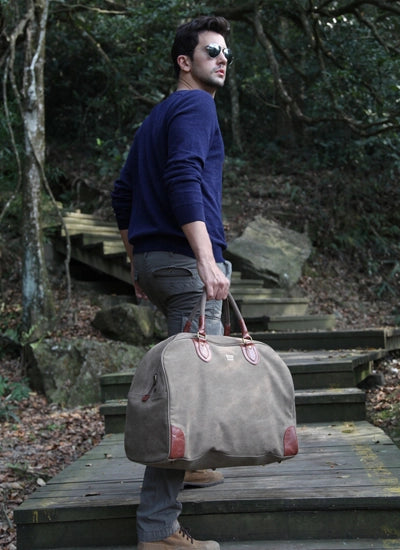
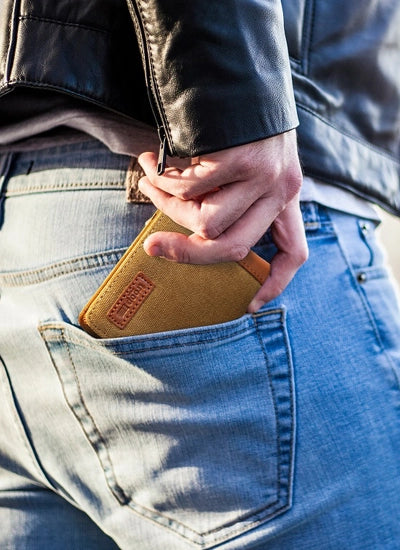
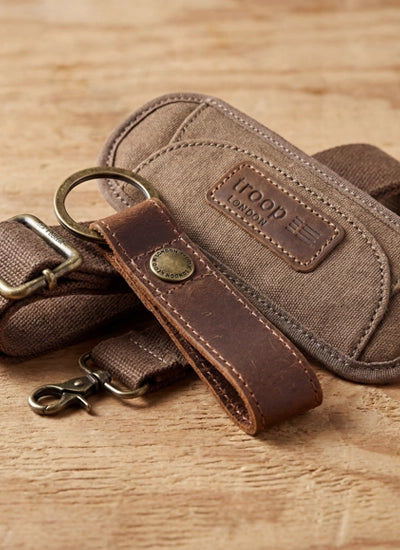
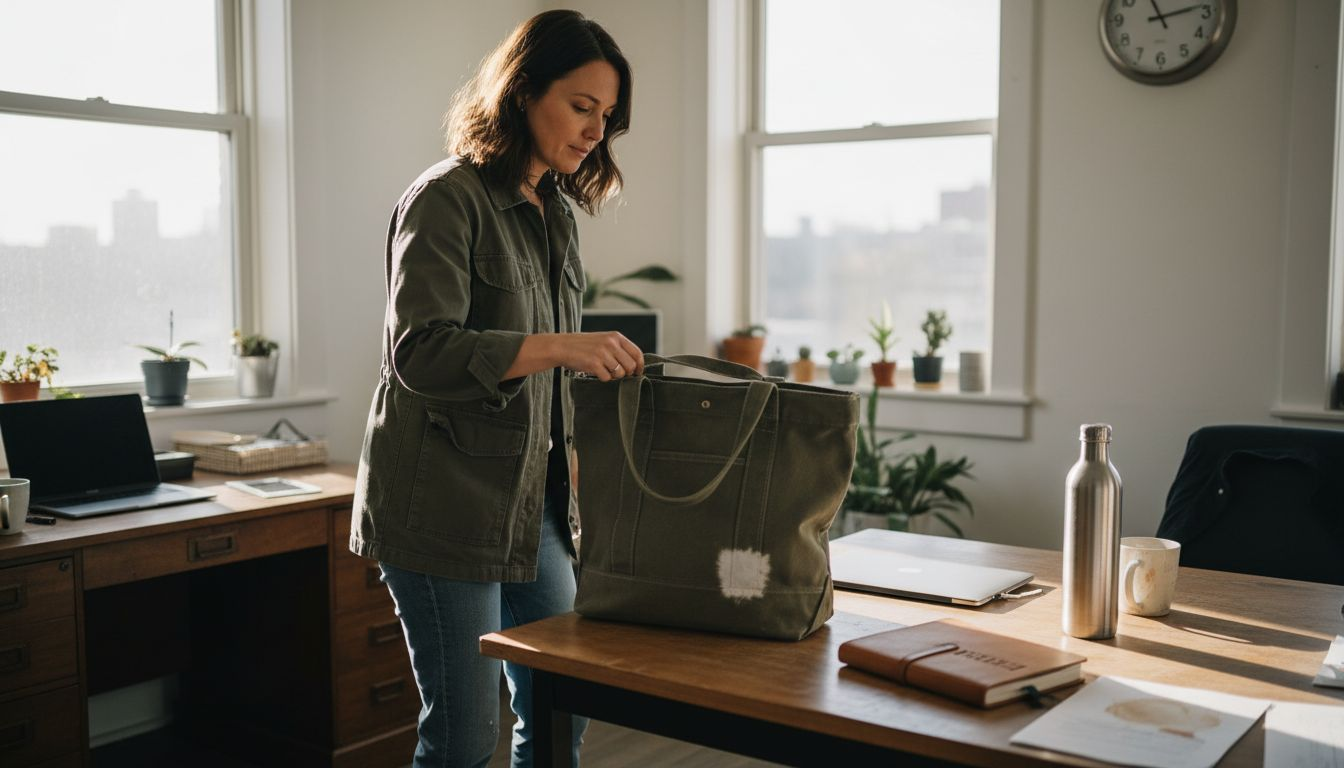
Role of Durability in Bags: Impact on Everyday Style
Finding a canvas bag that balances style, strength, and sustainability is no simple task for busy British professionals who value both durability and design. Daily routines put every accessory to the test, making structural reinforcement and premium materials more than mere details—they are the foundation for lasting performance and visual appeal. Discover how choosing bags crafted with thoughtful construction and emotional durability ensures your essentials stay protected while reflecting your commitment to both fashion and responsible consumption.
Table of Contents
- Defining Durability In Modern Bags
- Key Materials And Construction Methods
- Durability And Everyday Functionality
- Sustainability And Environmental Impact
- Choosing Durable Bags: Common Mistakes
Key Takeaways
| Point | Details |
|---|---|
| Durability Defined | Bag durability encompasses both physical construction and emotional connection, highlighting the importance of material strength and design. |
| Material Assessment | Selecting the right materials, like polyester or waxed canvas, ensures bags withstand everyday use while maintaining functional integrity. |
| Functionality Considerations | A durable bag must support consistent weight distribution and easy access, ensuring it integrates seamlessly into daily routines. |
| Sustainable Practices | Emphasising recycled materials and circular design can significantly reduce environmental impact whilst promoting longevity. |
Defining Durability in Modern Bags
Durability in modern bags represents a complex interplay between physical construction and emotional connection, transcending mere material resilience. Physical durability considerations encompass strategic design elements that determine a bag’s capacity to withstand everyday wear and environmental challenges.
At its core, bag durability involves multiple interconnected factors that extend beyond traditional wear resistance. These critical components include:
- Material strength and quality
- Construction techniques
- Strategic reinforcement points
- Design versatility
- User interaction and emotional attachment
The contemporary understanding of durability recognises that a truly resilient bag is not just about surviving physical stress, but also maintaining aesthetic appeal and functional integrity. Structural reinforcement plays a crucial role, with designers focusing on key stress points like handles, seams, and base corners where mechanical strain typically concentrates.
Emotional durability emerges as an equally significant dimension, where bags become more than simple accessories. By creating designs that resonate personally with users, manufacturers encourage longer product lifecycles and reduce potential disposal. Strategic design practices now integrate aesthetic longevity with physical endurance, ensuring bags remain stylistically relevant across changing fashion landscapes.
Pro tip: Invest in canvas bags with double-stitched seams and reinforced base panels, as these construction details significantly enhance overall bag durability and performance.
Key Materials and Construction Methods
Selecting appropriate materials and construction methods is fundamental to creating durable bags that withstand daily challenges. Materials assessment principles reveal critical considerations beyond simple aesthetic choices, emphasising the importance of strategic material selection.
Canvas bags typically employ several primary materials, each with unique durability characteristics:
- Cotton Canvas: Natural fibre with moderate strength
- Polyester Canvas: Synthetic material offering high resilience
- Waxed Canvas: Enhanced water resistance and durability
- Recycled Canvas: Sustainable option with comparable performance
- Blended Canvas: Combining multiple material properties
Construction techniques play an equally vital role in determining a bag’s longevity. Robust material handling requires precision in manufacturing processes, with particular attention to stress points like handles, straps, and base reinforcement. Structural integrity depends on multiple interconnected factors, including stitch density, thread quality, and reinforcement techniques.
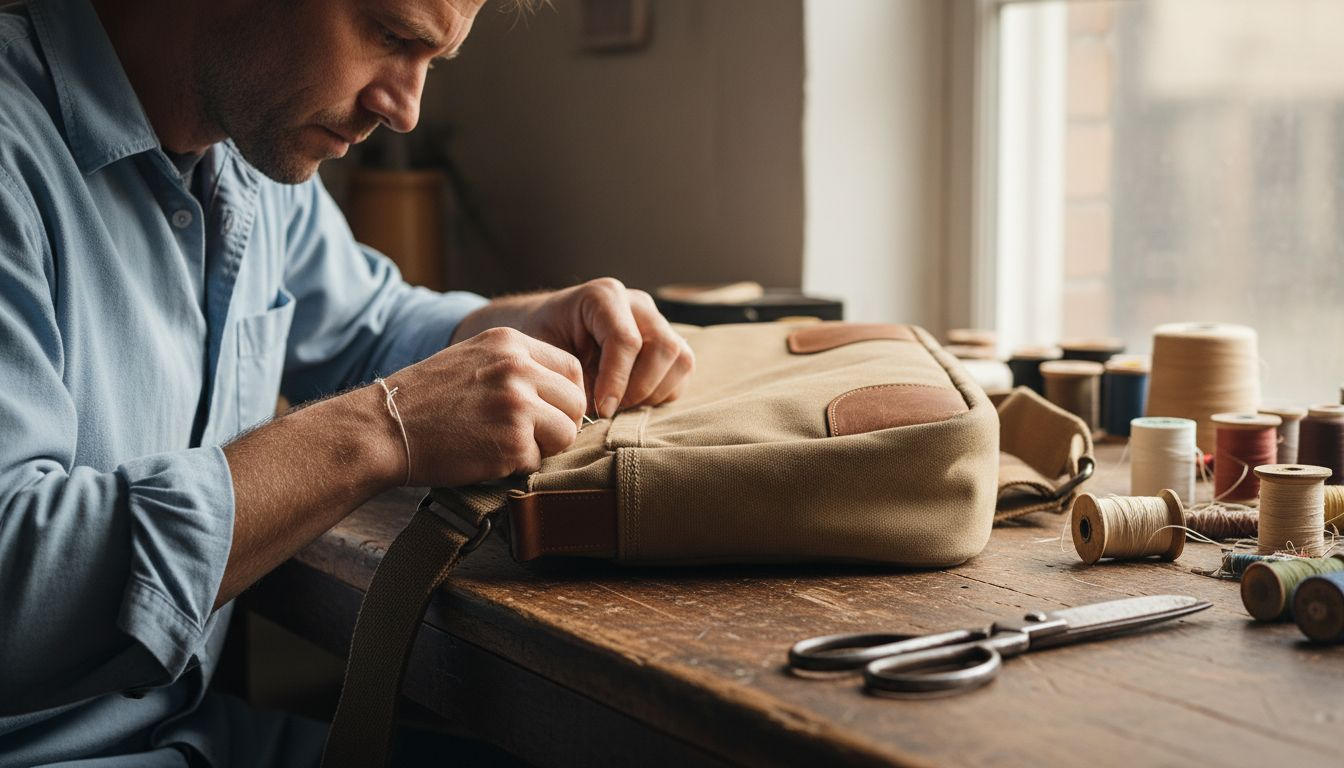
Modern bag construction increasingly integrates advanced techniques such as bar tacking, double-stitching, and strategic panel placement to distribute mechanical stress. These methods transform basic materials into resilient accessories capable of enduring substantial daily wear while maintaining aesthetic appeal.
Pro tip: Examine bag seams closely and look for tight, uniform stitching with minimal thread exposure, which indicates superior construction quality and potential long-term durability.
Here is a comparison of popular canvas bag materials based on durability, maintenance, and sustainability:
| Canvas Material | Durability Level | Care Requirements | Sustainability Factor |
|---|---|---|---|
| Cotton Canvas | Moderate | Machine washable, air dry | Renewable, biodegradable |
| Polyester Canvas | High | Wipe clean, fast-drying | Petroleum-based, recyclable |
| Waxed Canvas | Very high, water-resistant | Spot clean, re-wax annually | Extended life, water repellent |
| Recycled Canvas | High | Similar to source material | Diverts waste, eco-friendly |
| Blended Canvas | Varies by blend | Depends on material mix | Can optimise both strengths |
Durability and Everyday Functionality
Durability transforms a bag from a mere accessory into a reliable companion for daily life. Design principles for longevity demonstrate how strategic construction directly impacts a bag’s ability to seamlessly integrate into everyday routines.
Effective everyday functionality requires bags to meet multiple critical performance criteria:
- Consistent weight distribution
- Quick and easy access to contents
- Resistance to environmental challenges
- Adaptability across different settings
- Minimal aesthetic degradation over time
The relationship between durability and functionality extends beyond physical performance. Emotional resilience plays a significant role, with product life cycle research revealing that bags which maintain their aesthetic and practical appeal encourage continued use and reduce unnecessary replacement.
Modern professionals require accessories that transition effortlessly between environments - from commuter trains to office spaces, from casual meetups to formal events. This demands bags that not only withstand mechanical stress but also preserve their visual integrity and functional design across diverse scenarios. Precision in material selection, thoughtful construction techniques, and intelligent design ultimately determine a bag’s capacity to serve as a dependable everyday asset.
Pro tip: Select bags with reinforced bottom panels and multiple internal organisational compartments, which significantly enhance both durability and practical functionality for daily use.
The following table summarises how key durability factors impact the bag user’s long-term experience:
| Durability Factor | User Benefit | Typical Sign of Quality |
|---|---|---|
| Reinforced stress points | Withstands heavy loads daily | Strong handles, secure corners |
| Dense stitching | Reduced seam failures | Consistent, tight seam appearance |
| Premium thread quality | Longer lasting attachments | Minimal fraying or breakage |
| Strategic panel design | Effective weight distribution | Stable structure when loaded |
Sustainability and Environmental Impact
Sustainability in bag design represents a critical intersection between consumer choices and environmental responsibility. Recyclability assessment methodology highlights the importance of selecting materials that minimise ecological footprints while maintaining exceptional product performance.
Key sustainable design principles for bags include:
- Use of recycled and organic materials
- Minimising production waste
- Creating products with extended life cycles
- Implementing circular design strategies
- Reducing carbon emissions during manufacturing
Circular design emerges as a transformative approach, with sustainable product research demonstrating how thoughtful material selection can dramatically reduce environmental impact. By prioritising durability, manufacturers can create accessories that resist rapid obsolescence, thereby reducing waste and supporting more responsible consumption patterns.
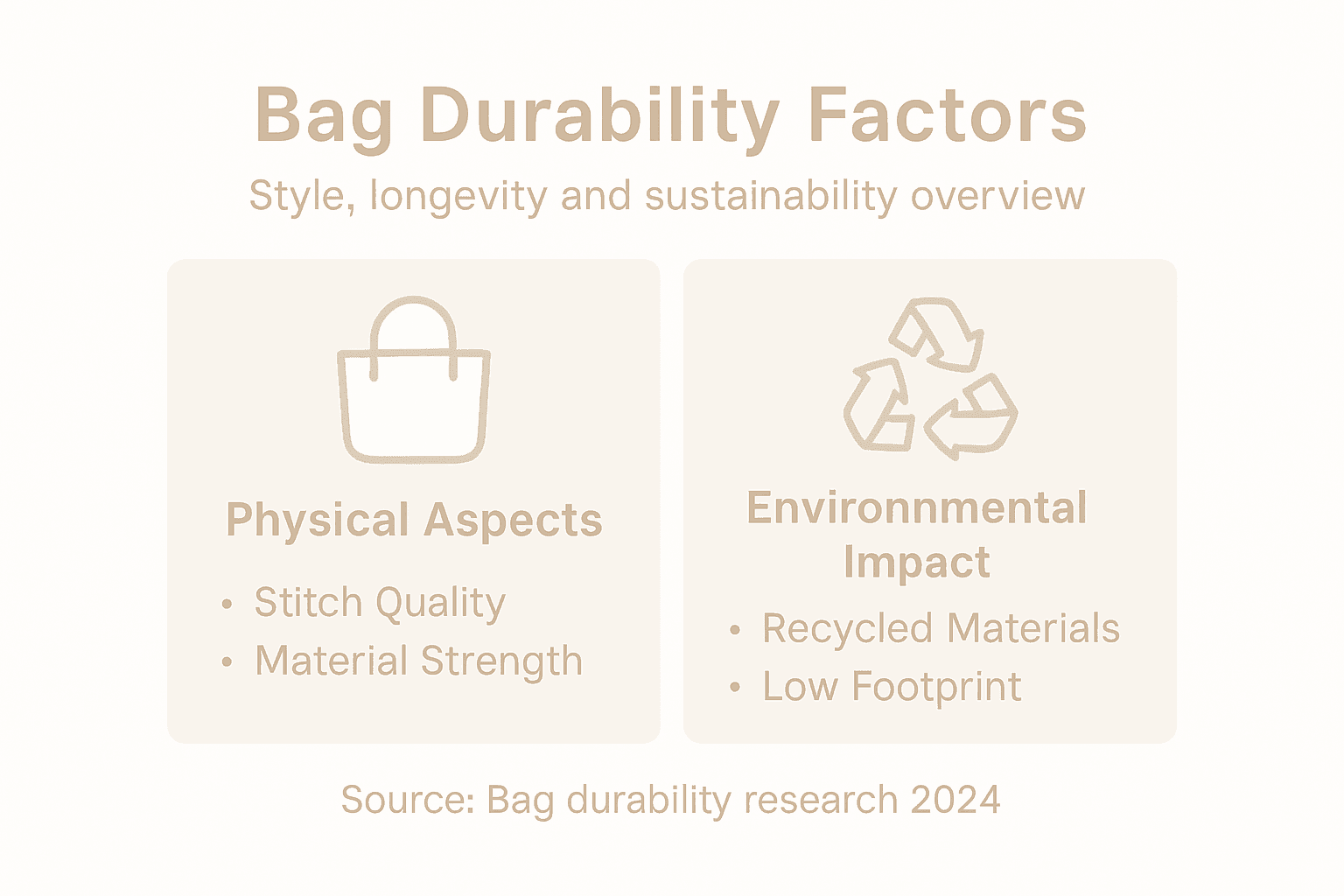
Modern consumers increasingly demand transparency about environmental credentials, recognising that their purchasing decisions have broader ecological implications. This shift requires bag manufacturers to adopt holistic approaches that balance performance, aesthetic appeal, and sustainable practices. Advanced material technologies now enable the creation of bags that are simultaneously stylish, functional, and environmentally conscious.
Pro tip: Choose bags made from recycled or organic materials with clear sustainability certifications, which demonstrate a genuine commitment to reducing environmental impact.
Choosing Durable Bags: Common Mistakes
Selecting a durable bag involves more than aesthetic preferences, requiring careful consideration of materials and construction techniques. Packaging material assessment reveals that consumers frequently overlook critical durability indicators when making purchasing decisions.
Common mistakes in bag selection include:
- Prioritising price over quality
- Ignoring material composition
- Neglecting construction details
- Underestimating everyday stress factors
- Failing to consider long-term maintenance
Material misconceptions represent a significant challenge in bag selection. Extended producer responsibility guidelines highlight how consumers often misunderstand the relationship between material quality, durability, and environmental sustainability. Cheap bags might seem economical initially but frequently require more frequent replacement, ultimately increasing overall environmental and financial costs.
Professional bag selection demands a holistic approach that balances aesthetic appeal, functional requirements, and long-term performance. Understanding subtle differences in fabric weight, stitch density, and reinforcement techniques can dramatically improve the likelihood of selecting a truly durable accessory that withstands daily challenges and maintains its visual integrity.
Pro tip: Always inspect bag seams, handle attachments, and base reinforcements before purchasing, as these areas most directly indicate potential long-term durability.
Discover Lasting Style with Bags That Truly Endure
The challenge many face when choosing a bag involves balancing durability with everyday style and functionality. This article highlights the importance of reinforced stress points, quality stitching, and material strength for long-lasting use that does not sacrifice aesthetic appeal. If you value timeless design paired with robust construction, then investing in accessories that reflect these principles is essential.
At Troop London, we specialise in premium canvas bags crafted to meet these very needs. Our collections showcase vintage-inspired backpacks, messenger bags, and more, thoughtfully designed for durability and emotional resilience. Each piece embodies careful craftsmanship, sustainable materials, and structural integrity, helping you avoid common mistakes like prioritising price over quality or overlooking construction details.

Take control of your everyday carry with bags that withstand daily demands and maintain their charm. Explore our carefully curated range today at Troop London and experience the perfect harmony of style and lasting performance. Don’t miss out on premium craftsmanship that supports your lifestyle — visit Troop London now and choose your enduring companion.
Frequently Asked Questions
What makes a bag durable?
Durability in bags is determined by several factors, including the strength and quality of materials, strategic construction techniques, reinforcement points at high-stress areas, and emotional connections that encourage long-term use.
How can I assess the durability of a canvas bag?
To assess durability, examine the bag’s seams for tight, uniform stitching, check for reinforced stress points like handles and base corners, and evaluate the material used, such as cotton, polyester, or waxed canvas for their respective strengths.
What are emotional durability and its significance in bag design?
Emotional durability refers to the personal connection users develop with their bags. A bag that resonates with the user is likely to have a longer lifecycle, as it encourages continued use rather than disposal due to changing trends.
How do I choose a durable bag for everyday use?
Select a bag that features reinforced bottom panels, adequate internal organisation for easy access, and high-quality stitching. Consider the material’s durability and maintenance requirements to ensure it suits your daily needs.