
Role of Backpacks in Fashion: Style Meets Sustainability
Finding a backpack that matches your style and stands up to the daily demands of commuting in London or Manchester is no small task. For young professionals in the United Kingdom, the right choice reflects not only personal taste but also a commitment to quality and sustainability. Modern backpacks have become foundational in urban fashion, balancing smart design with environmentally friendly credentials. Discover how today’s most sought-after backpacks bring together durability, craftsmanship, and cutting-edge aesthetics for the discerning city commuter.
Table of Contents
- Defining Backpacks In Contemporary Fashion
- Key Backpack Styles And Design Distinctions
- Material Innovation And Sustainable Choices
- Durability, Craftsmanship, And Everyday Function
- Backpacks Versus Alternative Carry Options
- Navigating Fashion, Ethics, And Consumer Trends
Key Takeaways
| Point | Details |
|---|---|
| Evolution of Backpacks | Backpacks have transformed from practical items into stylish, multifunctional fashion statements that reflect personal style and practicality. |
| Material Innovation | Sustainable materials are becoming integral in backpack design, prioritising environmental responsibility while enhancing performance features. |
| Durability and Functionality | Modern backpacks emphasise robust construction and intelligent design to cater to diverse lifestyle needs and ensure longevity. |
| Consumer Trends | Increasingly, consumers favour brands that demonstrate strong ethical practices in sustainability and production, influencing buying decisions. |
Defining Backpacks in Contemporary Fashion
Backpacks have evolved dramatically from mere utilitarian accessories to sophisticated fashion statements that seamlessly blend style and practicality. In contemporary urban fashion, these versatile carriers now represent personal expression, reflecting individual aesthetic sensibilities while meeting the functional demands of modern lifestyles. Contemporary backpack styles span an incredible range from minimalist design to bold statement pieces.
The modern backpack transcends its traditional role as a simple carrying device, emerging as a nuanced fashion accessory that communicates personal brand and lifestyle choices. University students and young professionals particularly appreciate backpacks that offer ergonomic design, technological integration, and aesthetic versatility. High street brands and luxury designers now collaborate to produce models that combine premium materials, innovative engineering, and cutting-edge style.
Key characteristics defining contemporary backpack design include multifunctionality, sustainable material choices, and adaptable aesthetic profiles. Contemporary backpacks are engineered to transition seamlessly between professional environments, casual settings, and urban adventures. They incorporate features like dedicated laptop compartments, water-resistant fabrics, adjustable straps, and minimalist aesthetic language that speaks to the sophisticated urban dweller’s requirements.
Pro tip: When selecting a contemporary backpack, prioritise versatility by choosing neutral colour palettes and clean design lines that can effortlessly complement multiple outfit styles.
Key Backpack Styles and Design Distinctions
Backpack design has dramatically transformed, offering an intricate landscape of styles that cater to diverse lifestyle needs and aesthetic preferences. University backpack designs now range from minimalist urban carriers to sophisticated tech-integrated accessories, reflecting the complexity of contemporary fashion requirements.
The modern backpack ecosystem encompasses several distinctive categories, each engineered to address specific functional and stylistic demands. Laptop backpacks feature padded compartments and ergonomic designs, targeting professionals and students who require technological protection. Rucksacks with rugged buckled flaps appeal to adventure enthusiasts, while sleek messenger-style backpacks serve urban commuters seeking streamlined silhouettes. Backpack styles demonstrate remarkable versatility, transitioning seamlessly between professional settings, casual environments, and outdoor expeditions.
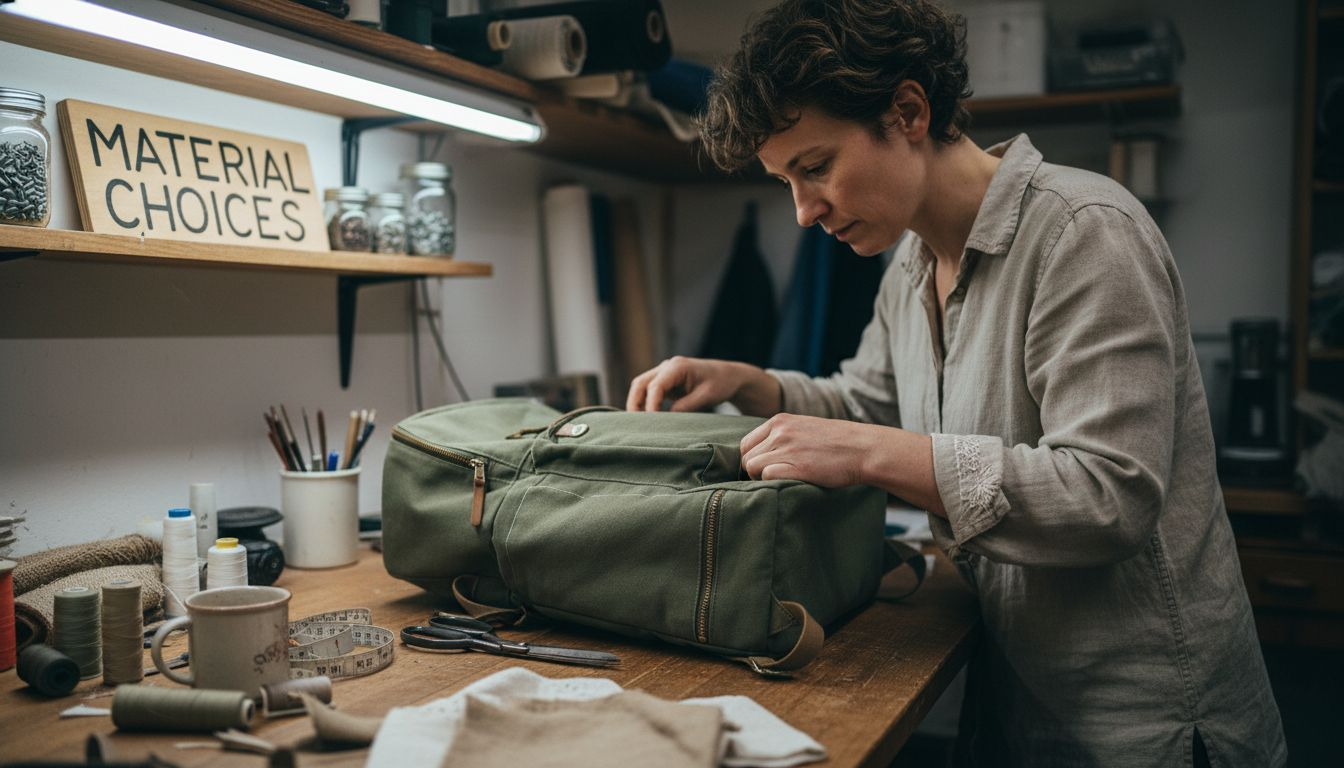
Design distinctions emerge through material selection, structural engineering, and aesthetic philosophy. Canvas backpacks offer vintage charm and durability, while lightweight synthetic materials provide water resistance and modern performance. Designers now prioritise adaptable colour palettes, modular storage solutions, and sustainable manufacturing processes. These nuanced approaches transform backpacks from mere accessories into personal statements that communicate individual style, professional identity, and environmental consciousness.
Pro tip: Select a backpack with convertible design features that allow multiple wearing styles, maximising versatility across different social and professional contexts.
To help you navigate contemporary backpack choices, here is a comparison of major backpack styles and their ideal users:
| Style | Key Features | Best For |
|---|---|---|
| Laptop Backpack | Padded tech compartment, ergonomic straps | Urban professionals, students |
| Rucksack | Buckled flaps, durable fabric | Outdoor enthusiasts |
| Messenger-Style | Sleek profile, crossbody fit | City commuters |
| Convertible Backpack | Modular straps, multipurpose | Versatile, active users |
Material Innovation and Sustainable Choices
Material innovation is revolutionising backpack design, driving a profound transformation in how fashion accessories approach environmental responsibility. Sustainable backpack manufacturing now integrates cutting-edge eco-friendly materials that dramatically reduce environmental impact while maintaining superior performance and aesthetic appeal.
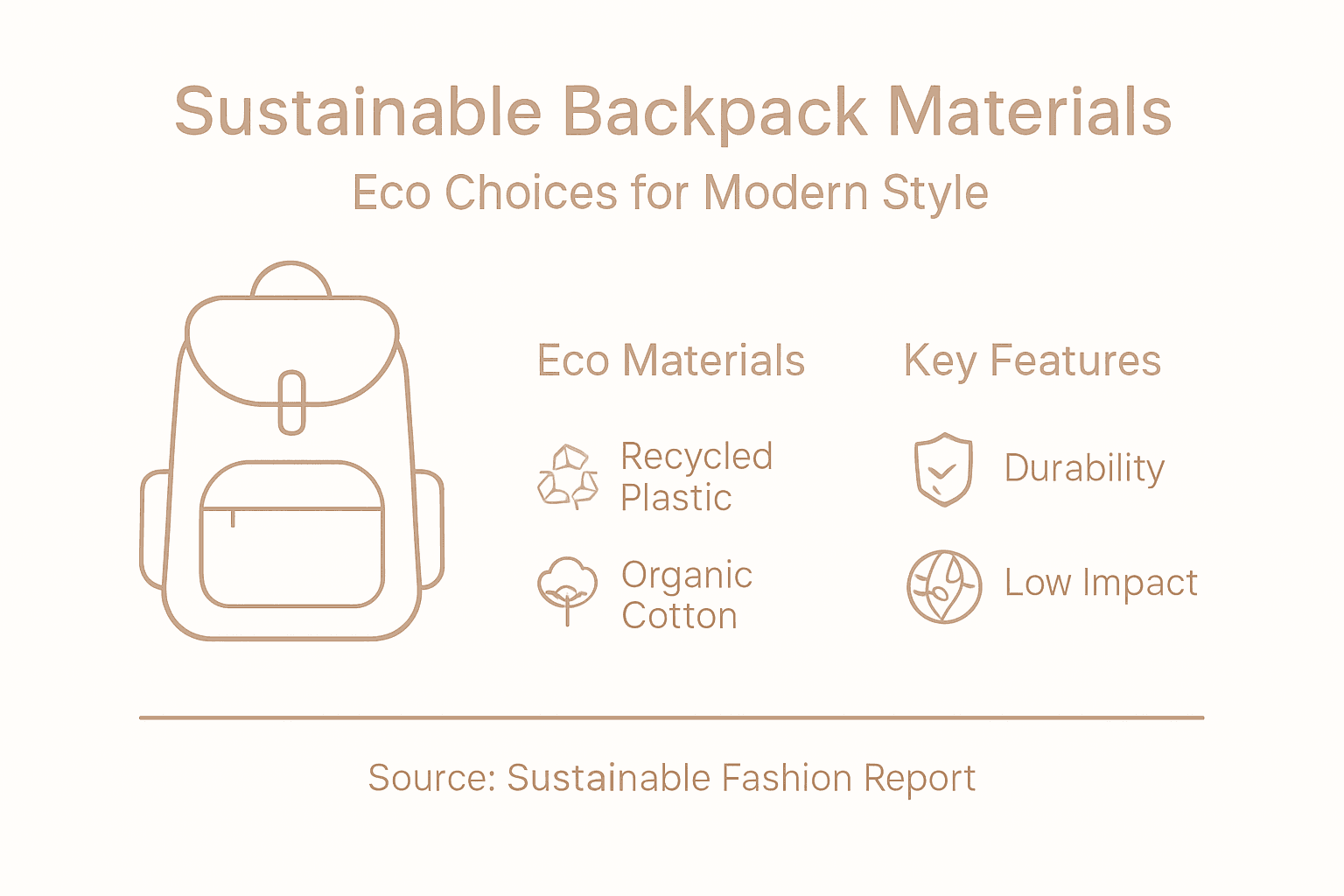
The contemporary sustainable backpack landscape encompasses an impressive array of innovative materials. Recycled plastics sourced from ocean waste are being transformed into durable, high-performance fabrics, while organic cotton and hemp provide natural alternatives to synthetic materials. Biodegradable polymers represent another breakthrough, offering manufacturers the ability to create products that can decompose without leaving harmful residues, effectively challenging traditional manufacturing paradigms.
Beyond material selection, sustainable backpack design now incorporates intelligent features that extend product lifecycle and functionality. Smart technologies such as solar charging panels, integrated tracking systems, and modular components allow users to repair and upgrade their backpacks instead of discarding them. These innovations represent a holistic approach to sustainability, addressing not just material sourcing but the entire product ecosystem from manufacture to eventual disposal.
Pro tip: When purchasing a sustainable backpack, prioritise brands that transparently communicate their environmental impact and provide clear information about material sourcing and manufacturing processes.
Innovative materials are shaping sustainable backpack design. This table summarises common options and their main advantages:
| Material | Environmental Benefit | Performance Attribute |
|---|---|---|
| Recycled Plastics | Reduces ocean waste | High durability, water-resistant |
| Organic Cotton | Biodegradable, low-impact | Soft texture, breathability |
| Hemp | Grows with little water | Robust, naturally antibacterial |
| Biodegradable Polymer | Leaves no toxic residue | Lightweight, decomposes efficiently |
Durability, Craftsmanship, and Everyday Function
Backpack durability represents the cornerstone of modern accessory design, bridging the gap between aesthetic appeal and practical utility. University backpack engineering now prioritises robust construction techniques that withstand daily wear while maintaining sophisticated visual character.
Craftsmanship in contemporary backpack production involves sophisticated material selection and precision engineering. High-performance water-resistant nylons, reinforced stress points, and ergonomically designed straps transform these accessories from simple carriers into intelligent lifestyle companions. Advanced manufacturing processes enable designers to create products that distribute weight effectively, reduce physical strain, and maintain structural integrity through repeated use and challenging environmental conditions.
Everyday functionality extends beyond mere carrying capacity, encompassing intelligent design features that anticipate user needs. Strategic compartment layouts, quick-access pockets, padded electronics sections, and adaptable carrying mechanisms reflect a nuanced understanding of urban mobility. Modern backpacks are engineered as dynamic tools that seamlessly transition between professional environments, casual settings, and active lifestyle scenarios, representing a holistic approach to personal accessorising.
Pro tip: Invest in a backpack with reinforced base and stress points, as these areas typically experience the most significant wear and determine the overall longevity of your accessory.
Backpacks versus Alternative Carry Options
The debate between backpacks and alternative carry options represents a complex intersection of ergonomics, functionality, and personal style. University carry solutions demonstrate that backpacks consistently outperform other bag styles in terms of weight distribution, comfort, and practical design.
When comparing backpacks to messenger bags and totes, several critical distinctions emerge. Messenger bags, while stylish, often create uneven weight strain and limit carrying capacity, whereas backpacks provide symmetrical load distribution that reduces physical stress. The ergonomic advantages of backpacks become particularly pronounced during extended wear, with padded shoulder straps and structured designs that support natural body mechanics and prevent potential long-term postural issues.
Beyond physical considerations, contemporary backpacks offer unprecedented versatility across different environments. Unlike single-purpose bags, modern backpacks seamlessly transition between professional settings, casual outings, and active lifestyle scenarios. Their modular compartments, integrated technological features, and adaptable aesthetic make them superior to traditional carry options. This multifunctionality reflects a broader trend towards accessories that can dynamically adjust to diverse user requirements.
Pro tip: Select a backpack with adjustable straps and multiple carry configurations to maximise comfort and functionality across different scenarios.
Navigating Fashion, Ethics, and Consumer Trends
The contemporary backpack market represents a profound intersection of fashion, ethics, and evolving consumer consciousness. Ethical backpack trends demonstrate a remarkable shift towards sustainable manufacturing practices that prioritise environmental responsibility and social accountability.
Consumer behaviour is increasingly driven by ethical considerations, with emerging demographics showing unprecedented commitment to brands that authentically demonstrate environmental and social values. Millennial and Generation Z consumers particularly exhibit a strong preference for backpack manufacturers who transparently communicate their sustainability credentials, use recycled materials, and implement fair labour practices. This conscious consumption represents more than a trend—it signals a fundamental transformation in how fashion accessories are conceived, produced, and perceived.
The economic implications of this ethical awakening are significant. Brands are discovering that sustainability is no longer a peripheral marketing strategy but a core business imperative. Consumers are willing to invest premium prices in products that align with their personal values, creating a market environment where ethical production becomes a competitive advantage. Vegan-friendly materials, carbon-neutral manufacturing processes, and transparent supply chains have evolved from niche considerations to mainstream expectations in the backpack fashion ecosystem.
Pro tip: Research brand sustainability reports and look for third-party certifications when selecting an ethically produced backpack to ensure genuine environmental commitment.
Discover Stylish Sustainability with Troop London Backpacks
The article highlights the growing need for backpacks that combine style, sustainability, and durability to meet modern lifestyle demands. Many consumers struggle to find fashion accessories that offer eco-friendly materials, timeless design, and practical features such as ergonomic straps and multifunctional compartments. Troop London answers this challenge by crafting vintage-inspired canvas backpacks made from organic and sustainable fabrics, prioritising craftsmanship and reliability. Whether you seek a companion for urban commuting or leisurely outdoor adventures, their designs perfectly blend classic aesthetics with functional innovation.

Ready to elevate your everyday carry with a backpack that speaks to both your style and ethical values Explore the full range of durable canvas bags at Troop London. From the Classic Collection to options tailored for active lifestyles, you can invest in quality that lasts while supporting sustainable fashion. Don’t wait—embrace a backpack that completes your look and cares for the planet today.
Frequently Asked Questions
What are the key features to look for in a contemporary backpack?
When selecting a contemporary backpack, prioritise multifunctionality, versatility in design, and materials like sustainable fabrics. Look for features such as padded compartments for laptops, adjustable straps, and water-resistant materials to enhance functionality.
How do backpacks compare to other carry options like messenger bags and totes?
Backpacks provide symmetrical load distribution, reducing physical stress during extended wear, whereas messenger bags tend to create uneven weight strain. Modern backpacks also offer greater versatility, seamlessly transitioning between professional and casual settings with multifunctional compartments.
What role does sustainability play in contemporary backpack design?
Sustainability is integral to contemporary backpack design, focusing on eco-friendly materials like recycled plastics and organic fibres. Many brands now incorporate smart technologies that extend the product’s lifecycle, promoting a holistic approach to environmental responsibility.
How can I choose a backpack that aligns with my personal style?
To find a backpack that complements your personal style, opt for versatile designs with neutral colour palettes and clean lines, which can effortlessly match various outfits. Consider styles that transition well from casual to professional environments, allowing for personal expression without compromising function.