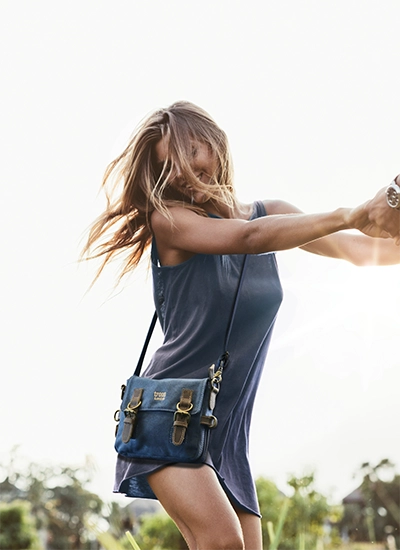

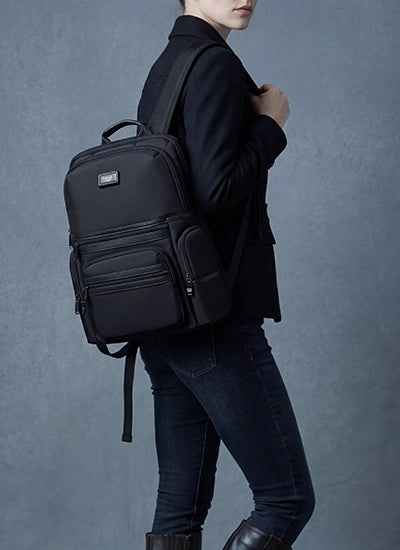

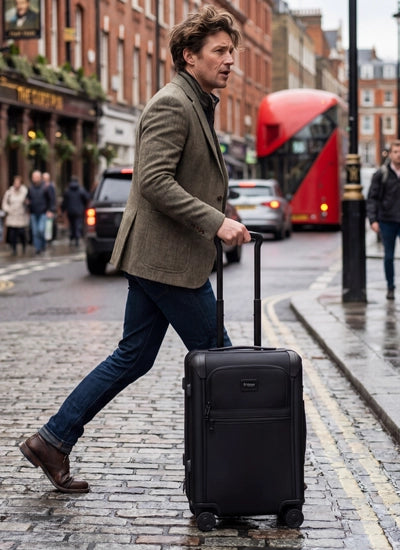

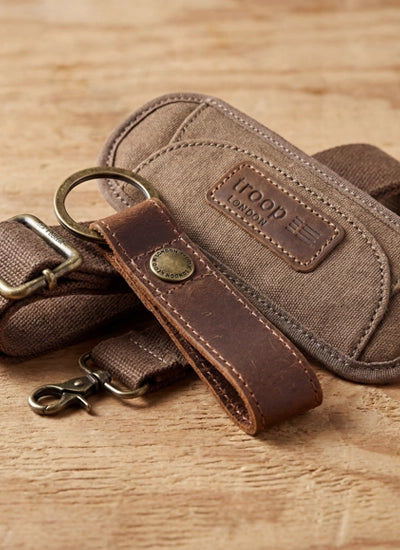
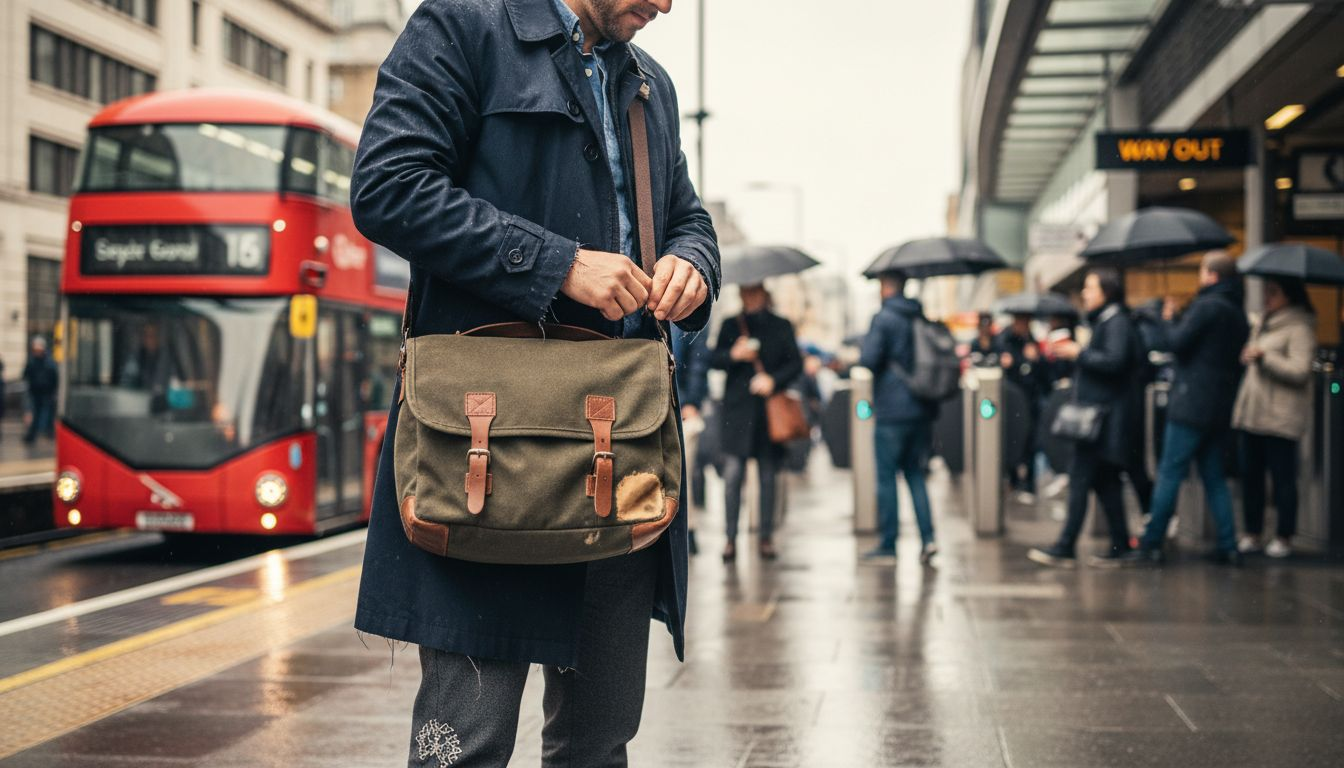
Professional Bag Buying Guide for Stylish Commuters
Choosing a professional bag often means weighing style against daily demands. For style-conscious professionals in the United Kingdom, finding a vintage-inspired bag that blends fashion with genuine utility can feel like a challenge. With British commutes notorious for unpredictable weather and packed transport, your choice of bag needs to deliver both resilience and polish. This guide shows you how to balance durability with refined design so you invest confidently in a timeless work companion.
Table of Contents
- Step 1: Assess Your Daily Transport And Work Requirements
- Step 2: Identify Suitable Bag Styles For Your Lifestyle
- Step 3: Evaluate Material Quality And Durability Options
- Step 4: Compare Features And Craftsmanship Across Collections
- Step 5: Verify Customer Reviews And Complete Your Purchase
Quick Summary
| Key Point | Explanation |
|---|---|
| 1. Assess Daily Transport Needs | Understand your commuting style and what you carry to choose a suitable bag. This initial assessment prevents future mistakes in your purchase. |
| 2. Choose the Right Bag Style | Match your bag style to your lifestyle and work environment for maximum comfort and functionality. Consider how often you need to access your items throughout the day. |
| 3. Evaluate Material Quality | The right material impacts durability and maintenance. Canvas, leather, and nylon have different strengths and care requirements based on your daily use. |
| 4. Check Craftsmanship and Features | Quality stitching, hardware, and compartment layout enhance functionality. Look for well-constructed bags that suit your access patterns and comfort needs. |
| 5. Read Customer Reviews | Genuine feedback reveals the bag’s real-world performance, especially regarding durability and user satisfaction. Pay attention to long-term reviews for reliable insight. |
Step 1: Assess your daily transport and work requirements
Before you invest in a professional bag, you need to understand exactly what you’ll be carrying and how you’ll be moving through your day. This assessment takes just fifteen minutes but saves you from buying the wrong bag later.
Start by mapping your typical commute. How do you travel to work? Are you cycling through London traffic, catching the train during rush hour, or driving to an office? Your transport method fundamentally shapes what your bag needs to do. Someone on rail commute essentials faces different constraints than someone cycling or driving.
Next, list everything you carry daily:
- Laptop and work documents
- Phone, chargers, and cables
- Lunch and water bottle
- Umbrella or rain protection
- Personal items like keys and wallet
- Any industry-specific tools or equipment
Be honest about weight. Measure the total weight of what you carry, not just estimate it. A bag that looks spacious might feel heavy after eight hours of commuting. Aim for a professional bag that weighs under 1.5 kilograms when empty so your load stays manageable.
Consider your work environment next. Does your workplace value formal appearance, or is dress code relaxed? Will your bag sit under a desk, or do clients see it during meetings? A structured leather messenger projects authority, whilst a canvas backpack suits creative agencies perfectly. The context matters enormously when choosing between bag styles.
Think about how often you’ll access items during the day. Do you need quick access to your laptop between meetings, or does everything stay packed until you reach your desk? Frequent access demands external pockets and logical compartments. Occasional access means internal organisation suffices.
Your daily requirements should drive every bag decision you make, not aesthetics alone.
Finally, assess your climate and weather exposure. British commutes mean rain is almost inevitable. Does your bag need weather resistance? Will you be walking five minutes or thirty minutes? Temperature swings between heated offices and cold platforms also matter when choosing materials.
Pro tip: Keep a detailed log for three days of everything you carry and how often you access each item. This removes guesswork and ensures you choose a bag with the exact functionality you genuinely need, not what you think you might need.
Step 2: Identify suitable bag styles for your lifestyle
Now that you understand what you carry daily, it’s time to match that reality to a bag style that actually works. Different bag types solve different problems, and choosing the right one makes your commute genuinely more comfortable.
Start by considering how you interact with your belongings throughout the day. Do you need constant access to your laptop, or does it stay packed until you arrive at your desk? The seven essential bag types each excel at different access patterns. A messenger bag lets you grab documents mid-meeting. A backpack distributes weight evenly but requires you to remove it to access the main compartment. A tote sits open and accessible but offers less weather protection.
Consider your commute style next. Office professionals often favour structured silhouettes that project authority in client meetings. Creative workers gravitate towards relaxed canvas styles that signal approachability. Your industry shapes expectations, so match your bag to your workplace culture.
Think about your physical comfort too. Shoulder bags suit short commutes but can cause fatigue on longer journeys. Backpacks distribute weight evenly across your shoulders and spine, making them ideal for lengthy commutes. Crossbody bags offer hands-free convenience whilst keeping your belongings secure on crowded transport. Modern work bags span shoulder bags, totes, backpacks, and top-handle styles to suit different daily routines and fashion preferences.
Evaluate weather resistance based on your typical commute. A canvas bag suits dry office environments but struggles during British winters. Leather or treated canvas handles rain better and develops character with age. Your environment determines whether functionality or appearance takes priority.
Finally, assess how your chosen style integrates with your personal wardrobe. Does it complement your typical work outfits? A sleek leather messenger works with tailored trousers. A heritage canvas backpack pairs naturally with smart casual clothing. Your bag should feel like part of your professional identity, not a mismatch.
The right bag style disappears into your routine because it solves your actual problems.
Pro tip: Narrow your choices to two or three styles that match your transport method and work environment, then test each for one week if possible. Your body will tell you which style works best through comfort and convenience, not just appearance.
Step 3: Evaluate material quality and durability options
Material choice determines whether your bag lasts two years or ten. The right material for your situation combines durability with the character you want your bag to develop over time.
Start by understanding the main contenders. Canvas offers exceptional durability for everyday use and improves with age. Leather develops a rich patina but demands regular maintenance. Nylon excels in lightweight, active situations but lacks the aesthetic appeal of natural materials. Each material demands different care routines, so consider your willingness to maintain your bag seriously.
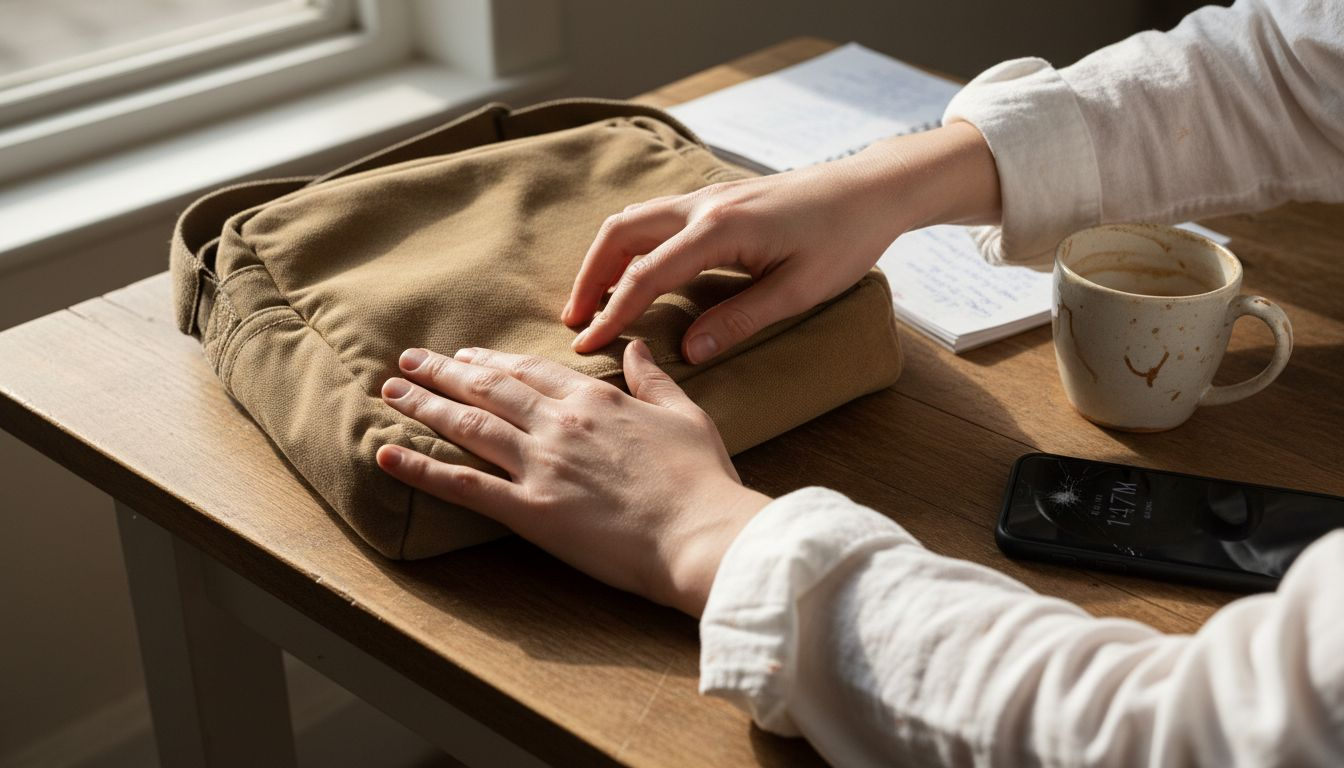
Canvas deserves special attention for British commuters. The fabric resists moisture better than most people realise, especially when properly treated. Vintage-inspired canvas bags age beautifully, developing creases and character that leather sometimes takes years to achieve. Canvas also weighs significantly less than leather, which matters on crowded trains where you’re holding your bag for extended periods.
Full-grain leather offers unmatched durability when treated properly. Unlike corrected leather, full-grain shows natural marks and develops genuine patina. It’s the most durable fabric for bags if you’re willing to condition it regularly with appropriate leather treatments. Expect to invest in care products and spend five minutes monthly maintaining your investment.
Evaluate these material qualities for your lifestyle:
- Canvas handles rain adequately and resists staining better than leather
- Leather requires dedicated maintenance but rewards you with lasting character
- Nylon suits active commutes but ages less gracefully than natural materials
- Treated canvas offers weather resistance without leather’s maintenance demands
Check stitching quality before making any purchase. Examine seams carefully on bags you’re considering, especially where handles attach. Poor stitching fails predictably on commutes, usually when your laptop is inside. Quality construction matters more than material alone.
Think about your environment’s specific demands. London’s humidity and rain favour canvas or treated leather. Coastal areas with salt air demand extra weather resistance. Indoor office workers can prioritise aesthetics over weather performance.
To help you choose the most suitable professional bag, here is a comparison of popular bag materials and their best applications:
| Material | Durability | Maintenance Needs | Best For |
|---|---|---|---|
| Canvas | High | Occasional cleaning | Heavy daily commutes |
| Leather | Very high | Regular conditioning | Formal office environments |
| Nylon | Moderate | Minimal effort | Active, outdoor routines |
| Treated Canvas | High | Low | Rain-prone commutes |
Material quality is the foundation of a bag’s longevity, but your commitment to care determines its actual lifespan.
Pro tip: Before committing to any material, ask yourself honestly how much maintenance you’ll actually perform monthly. A beautiful leather bag neglected for two years deteriorates faster than hardy canvas you treat respectfully. Match the material to your genuine habits, not your aspirational self.
Step 4: Compare features and craftsmanship across collections
Different collections prioritise different things. Understanding what each emphasises helps you choose one aligned with your lifestyle and values. Craftsmanship quality separates bags that last five years from those lasting two decades.
Start by examining visible construction details. Look at how seams are stitched, whether stitching runs in straight lines, and how handles attach to the body. Reinforced stitching at stress points indicates durability thinking. Uneven stitching or loose threads suggest corners were cut during production, and those corners tend to fail during your commute.
Evaluate hardware next. Quality collections use solid brass or stainless steel fittings that resist corrosion and maintain function through years of use. Cheap metal hardware oxidises, discolours, and fails frustratingly. Check whether zips move smoothly and whether buckles or clasps feel substantial in your hand.
Compartmentation matters more than raw storage space. A bag with one cavernous pocket forces you to hunt for your phone amongst your lunch. Collections featuring professional work bags showcase roomy interiors paired with refined silhouettes and thoughtful organisation. Look for dedicated laptop compartments, pen holders, and quick-access pockets designed for your actual commute pattern.
Consider these craftsmanship indicators when comparing options:
- Reinforced seams at handle attachment points and stress areas
- Quality zips that move smoothly without catching or binding
- Substantial hardware that feels durable rather than hollow
- Logical compartment arrangement matching your daily access patterns
- Hand-stitched or precision machine-stitched details showing attention
British-made bag construction emphasises traditional craftsmanship combined with premium materials and thoughtful design. Many collections prioritise small batch production, meaning less mass manufacturing waste and higher quality control. Your bag receives individual attention rather than flowing through high-volume factories.
Compare how different collections handle sustainability too. Do they use organic cotton canvas? Are leather suppliers verifiable? Does the brand take responsibility for their environmental impact? Quality collections increasingly combine durability with ethical production, recognising that a bag lasting twenty years beats buying replacements every two.
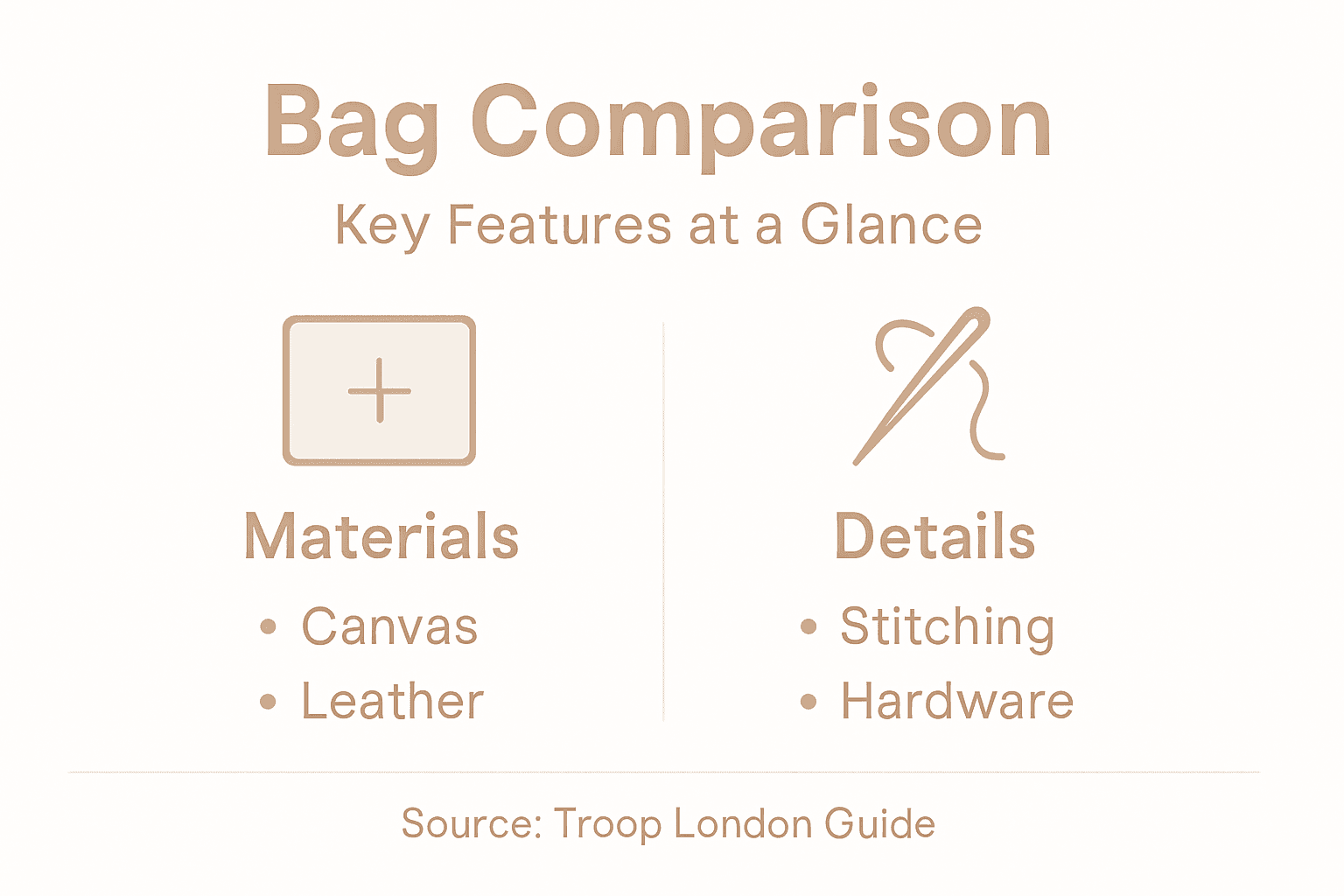
Here is a summary of key features to compare when evaluating professional bag collections:
| Feature | Why It Matters | What To Look For |
|---|---|---|
| Stitching & Construction | Impacts long-term reliability | Even seams, reinforced handles |
| Hardware Quality | Affects daily use and ageing | Solid metal fittings, smooth zips |
| Compartment Layout | Improves user convenience | Logical pockets, padded sections |
| Sustainability Practices | Aligns with personal values | Certified materials, ethical brands |
The best collection for you balances craftsmanship quality, practical features matching your commute, and values you’re comfortable supporting.
Pro tip: Photograph the interior and exterior of bags you’re comparing, then review images side-by-side at home without the sales environment influencing your judgment. You’ll notice construction quality differences much more clearly when comparing images objectively.
Step 5: Verify customer reviews and complete your purchase
Before committing your money, read what actual customers say about the bag you’re considering. Reviews reveal truths that marketing copy never will, from durability claims to shipping speed to customer service quality.
Start by reading reviews on independent platforms rather than relying solely on seller websites. Independent review sites provide unfiltered feedback from genuine purchasers. Look for patterns rather than individual comments. If three people mention a zip failing after six months, that’s a real concern. If one person complains about colour, that’s personal preference.
Pay attention to specific details reviewers mention. Durability feedback matters far more than general praise. Does someone say the bag held up through two years of daily commuting? That’s valuable. Do they mention how the leather aged or whether canvas resisted rain? These specifics help you predict your own experience.
Evaluate seller reliability through review patterns. Check whether customers report positive product quality and timely delivery consistently. Look for mentions of return processes and customer service responsiveness. A seller with 4.8 stars but fifty reviews matters more than 5.0 stars with three reviews.
Look for these specific feedback indicators:
- How the bag performs after months of actual daily use
- Whether zips, stitching, and hardware hold up as promised
- Delivery timeframes and packaging quality
- Return policy clarity and how easily returns process
- Customer service responsiveness when problems arise
Check the seller’s return policy before purchasing. Understand your rights if the bag arrives damaged or doesn’t match your expectations. A seller confident in their product offers straightforward returns. Complicated policies or restocking fees suggest they know problems exist.
Verify the seller’s contact information and physical address. Legitimate businesses provide ways to reach them. If contact details are vague or missing, reconsider purchasing from that seller.
Final step before checkout: reread your requirements from Step 1. Does this specific bag meet your weight capacity, compartment needs, and style preferences? Don’t get seduced by a beautiful bag that doesn’t solve your actual problems.
Customer reviews reveal what a bag does in real life, not what marketing promises in theory.
Pro tip: Read at least five reviews from different purchasers, looking specifically for comments about longevity and how the bag performs after six months or longer of use. Short-term reviews don’t reveal whether the bag will serve you well for years.
Discover Your Perfect Professional Bag with Troop London
Choosing the right bag for your daily commute can be challenging, especially when balancing style, durability, and practical features like weather resistance and organisation. This guide highlights the importance of assessing your transport style, material quality, and craftsmanship to find a bag that truly fits your lifestyle. If you seek a durable, vintage-inspired bag designed to withstand heavy daily use while maintaining timeless elegance, Troop London offers a curated collection that meets these exact needs.

Explore our classic and heritage collections crafted from high-quality canvas and treated leather, made for stylish commuters who value functional design and lasting charm. Act now to find your ideal bag with the right organisation, material, and craftsmanship. Visit Troop London to browse our selection and enjoy premium durability that rises to every commute challenge.
Frequently Asked Questions
How do I assess my daily transport and work requirements for a professional bag?
Start by mapping out your typical commute and listing everything you carry daily, such as your laptop, chargers, lunch, and personal items. Take 15 minutes to write down the total weight of your belongings to ensure you choose a bag that complements your daily routine and doesn’t exceed a manageable weight.
What are the different bag styles I should consider for my lifestyle?
Consider how you access your belongings throughout the day. For frequent access, opt for a messenger bag with external pockets, while a structured backpack may be more comfortable for longer commutes. Limit your choices to two or three styles that fit your work environment and transport method, and then test them out if possible.
Why is material quality important when choosing a professional bag?
Material quality directly affects the bag’s durability and longevity. Choose a bag made of high-quality canvas, leather, or nylon based on your lifestyle and maintenance willingness, as each material handles wear and weather differently. Evaluate how much care you’re willing to provide; for example, leather requires regular conditioning while treated canvas may need less.
What features should I look for when comparing professional bag collections?
Evaluate the stitching quality, hardware durability, and compartment layout to match your daily needs. Look for reinforced seams, smooth zippers, and logical pocket organization that matches how often you access items. Prioritise collections that offer thoughtful design along with high craftsmanship to ensure longevity and functionality in your bag.
How can I verify customer reviews before purchasing a professional bag?
Read reviews on independent platforms to get unfiltered feedback on durability and customer service. Look for recurring themes, such as comments about how it holds up after several months of use, and check for consistency in seller reliability regarding delivery and returns. Make sure to understand the return policy to ensure you are protected if the bag does not meet your expectations.
What final steps should I take before completing my purchase of a professional bag?
Go through your requirements one last time to confirm that the bag meets your needs for weight, style, and functionality. Ensure it aligns with your daily use and assess if it addresses your specific challenges. This final checklist can save you from a regrettable purchase.
Recommended
- 7 Messenger Bag Advantages Every Commuter Should Know – Troop London
- 6 Reasons to Choose Messenger Bags for Cycling & Commuting – Troop London
- Top Leather Messenger Bags for Commuters in the UK | Chic Picks – Troop London
- Ultimate Guide to Sophisticated Laptop Bags for UK Commuters – Troop London
- Dark Maze Butterfly 🦋 ⛓️💥 Chain Tote Bag – GothMarket