




How to clean bag hardware for lasting quality in 2026
Your canvas bag’s hardware works tirelessly every day, opening and closing countless times, exposed to weather, dirt, and the oils from your hands. Over time, zippers stick, buckles tarnish, and clasps lose their shine. Improper cleaning can lead to corrosion, discolouration, and reduced lifespan of hardware components. Yet with the right approach, you can restore your bag’s hardware to near-new condition and keep it functioning smoothly for years. This guide walks you through proven cleaning methods, troubleshooting common problems, and preventive care that protects your investment.
Table of Contents
- Understanding Your Bag Hardware And Setting Up For Cleaning
- Step-By-Step Guide To Cleaning Metal Bag Hardware
- Troubleshooting Common Bag Hardware Issues And Preventive Care
- Maintain Your Canvas Bag With Expert Support
- Frequently Asked Questions About Cleaning Bag Hardware
Key takeaways
| Point | Details |
|---|---|
| Correct cleaning methods | Proper techniques prevent damage and significantly prolong hardware life |
| Use mild cleaners | pH-neutral soaps avoid harsh chemical reactions that corrode metal |
| Regular maintenance | Cleaning and lubrication keep zippers working smoothly and prevent jams |
| Avoid abrasives | Soft cloths and gentle tools prevent scratches and finish damage |
| Thorough drying | Complete moisture removal after cleaning stops rust formation |
Understanding your bag hardware and setting up for cleaning
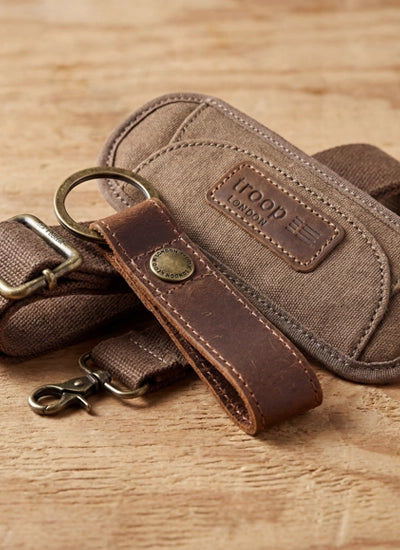
Bag hardware comes in various materials, each with unique vulnerabilities. Brass develops a greenish patina when exposed to moisture and air. Plated metals like nickel or chrome have thin protective layers that scratch easily. Steel components rust when moisture penetrates their surface. Understanding your hardware’s composition helps you choose appropriate cleaning methods.
Harsh chemicals strip protective finishes, whilst abrasive tools leave microscopic scratches that trap dirt and accelerate corrosion. Using pH-neutral cleaners reduces corrosion risk by 70% compared to acidic or alkaline alternatives. The wrong approach transforms a simple cleaning task into permanent damage.
Gather these essential tools before starting:
- Soft microfibre cloths (at least two)
- Mild, pH-neutral liquid soap
- Soft-bristled toothbrush
- Cotton swabs
- Clean, dry towel
- Small bowl of lukewarm water
- Appropriate lubricant for metal zippers
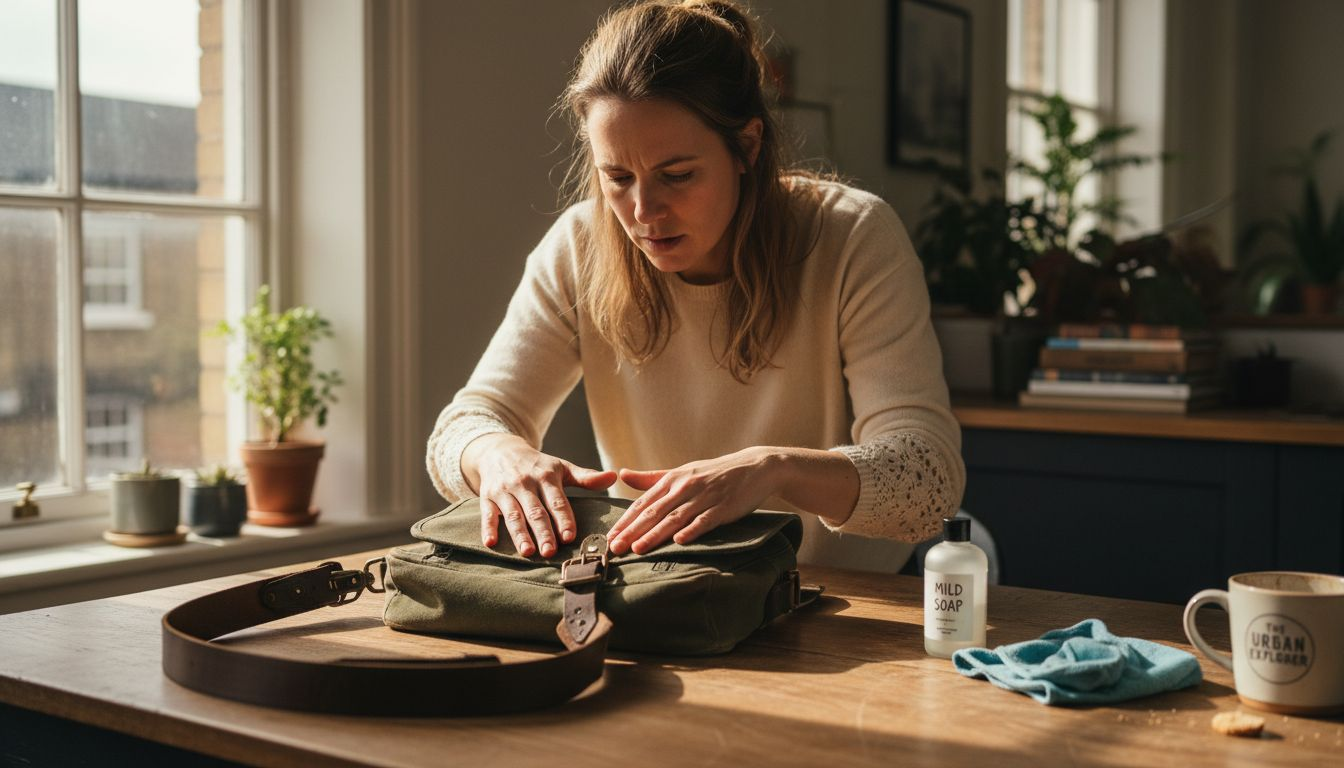
Your workspace matters as much as your tools. Choose a clean, dry surface with good lighting where you can spread out your materials. Natural daylight helps you spot hidden grime and assess your progress accurately. Remove any loose dirt from your bag’s hardware with a dry cloth before introducing moisture.
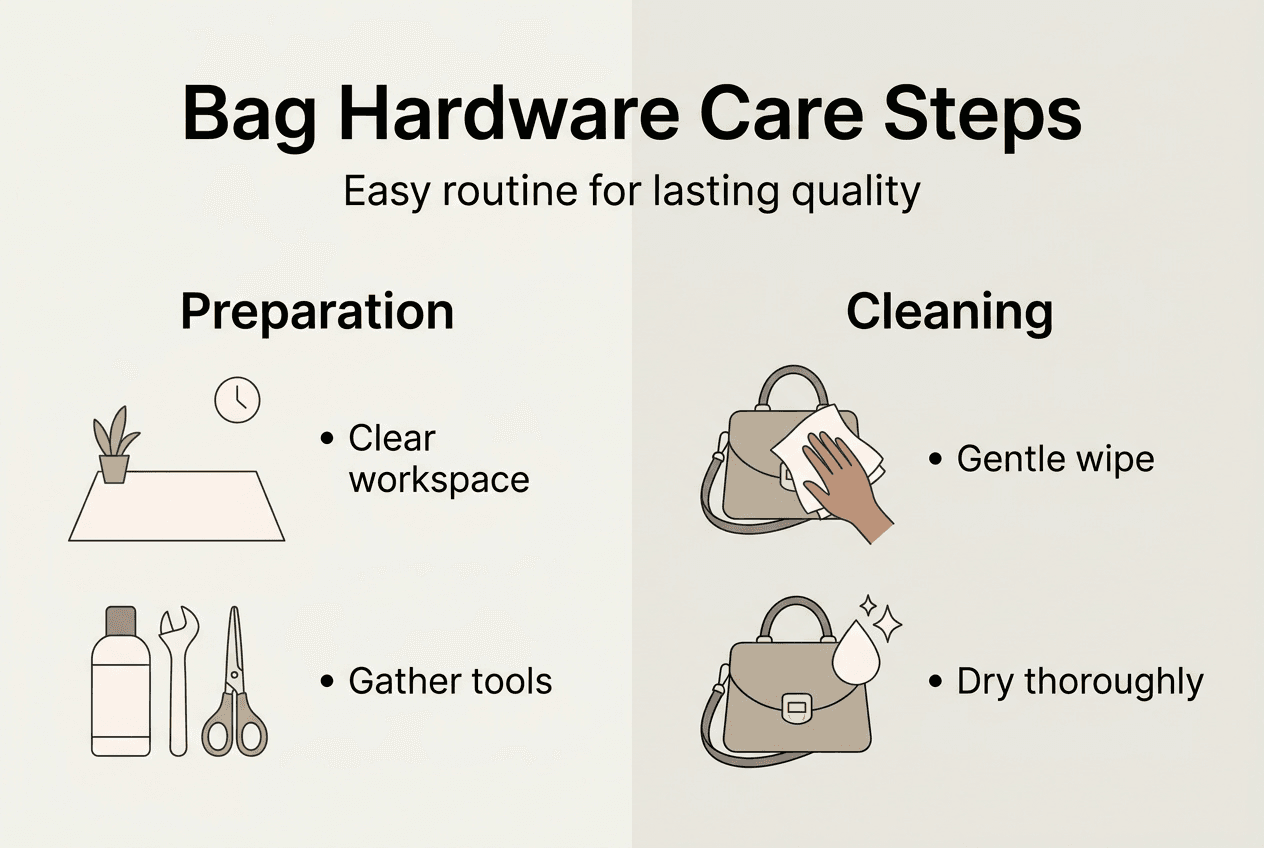
Different bag materials require coordinated care approaches. Canvas handles moisture better than leather, but water sitting on metal components causes problems regardless of the surrounding material. Always work methodically, one piece of hardware at a time.
| Hardware Type | Common Issues | Cleaning Priority |
|---|---|---|
| Brass buckles | Tarnish, patina | Medium pressure, frequent buffing |
| Plated zippers | Scratching, peeling | Gentle touch, minimal abrasion |
| Steel clasps | Rust, corrosion | Thorough drying, quick cleaning |
| Decorative rivets | Discolouration | Light cleaning, avoid soaking |
Pro Tip: Test your cleaning solution on an inconspicuous piece of hardware first. Apply a small amount, wait five minutes, then check for any adverse reactions like discolouration or finish damage.
Step-by-step guide to cleaning metal bag hardware
Start with the gentlest approach and increase intensity only if needed. Mix a few drops of pH-neutral soap into lukewarm water until it forms light suds. Dampen your microfibre cloth in the solution, then wring it thoroughly so it’s barely moist, not dripping wet.
Follow this sequence for optimal results:
- Wipe all visible hardware surfaces with your damp cloth using gentle circular motions
- Address crevices and detailed areas with a soft toothbrush dipped in the soap solution
- Use cotton swabs for tight spaces between zipper teeth and around decorative elements
- Rinse your cloth in clean water, wring it out, and wipe away soap residue
- Dry immediately with a clean, soft towel, ensuring no moisture remains
- Allow hardware to air dry completely for 30 minutes before closing or using the bag
Gentle cleaning with a soft cloth and mild soap is often sufficient when done regularly. Avoid soaking hardware or allowing water to pool around attachment points where it can seep into fabric or leather. Excessive moisture trapped beneath hardware creates the perfect environment for rust.
Zippers demand special attention because they combine multiple metal components that must move smoothly together. After cleaning, apply a suitable lubricant sparingly along the zipper teeth. Graphite pencil lead works excellently for this purpose. Run the pencil along both sides of the teeth, then operate the zipper several times to distribute the lubricant evenly.
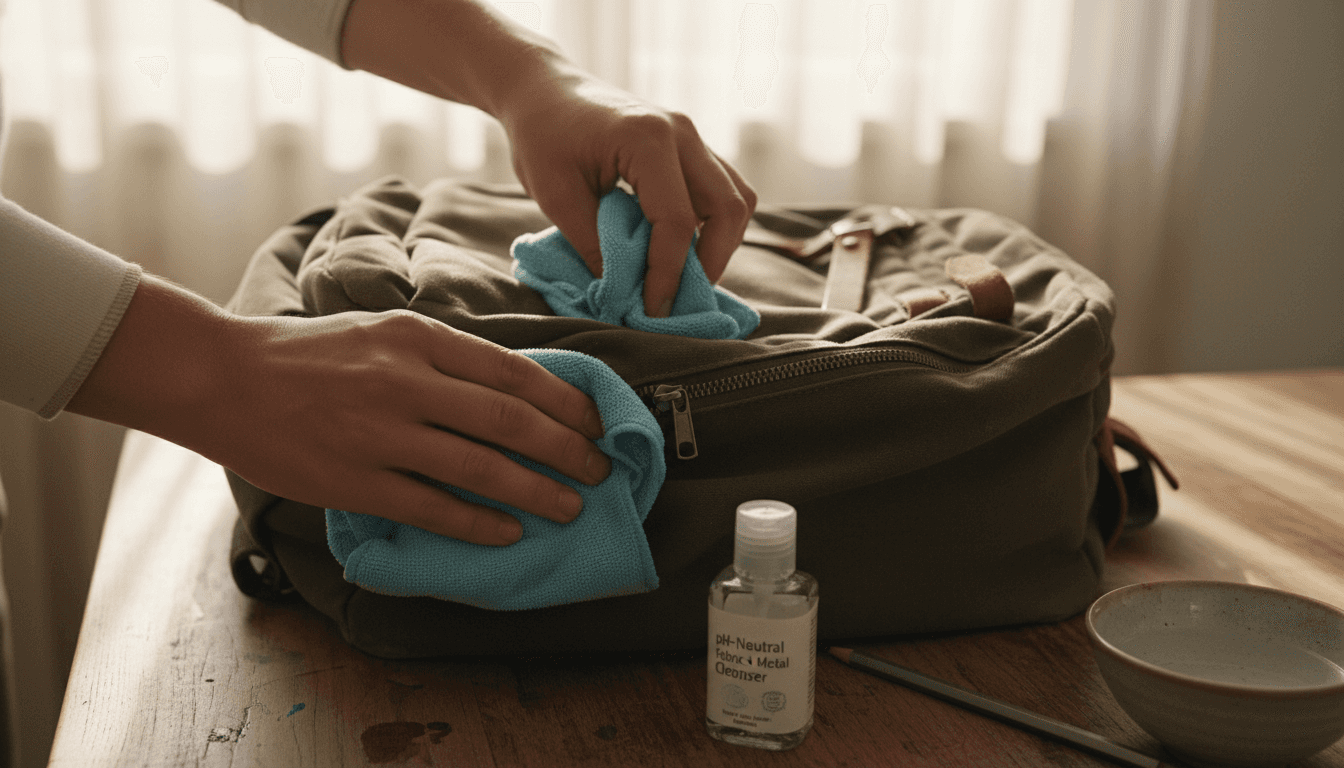
Regular cleaning and lubrication of metal zippers significantly extends their lifespan and maintains smooth functionality. This simple maintenance prevents the grinding wear that eventually causes zipper failure.
Never use these products on bag hardware:
- Household metal polish (too abrasive for delicate finishes)
- Bleach or chlorine-based cleaners (cause rapid corrosion)
- Acetone or nail polish remover (strip protective coatings)
- WD-40 or petroleum-based lubricants (attract dirt and create sticky residue)
- Abrasive scouring pads (scratch surfaces permanently)
For stubborn grime that resists initial cleaning, create a slightly stronger solution using the same pH-neutral soap. Let the damp cloth sit on the affected area for 60 seconds to soften buildup before gently working it away with your toothbrush. Patience prevents the temptation to scrub harder, which damages finishes.
| Cleaning Frequency | Hardware Type | Method |
|---|---|---|
| Weekly | High-use zippers | Quick wipe, light lubrication |
| Monthly | All visible hardware | Full cleaning routine |
| Seasonally | Decorative elements | Deep clean, polish if needed |
| After exposure | Salt, rain, spills | Immediate cleaning, thorough drying |
Pro Tip: Keep a small microfibre cloth in your bag for quick wipes after exposure to rain or snow. Removing moisture and salt within hours prevents the corrosion that develops when contaminants sit overnight.
Your canvas bag cleaning routine should coordinate with hardware maintenance. Clean the fabric first, allowing it to dry completely before addressing metal components. This prevents transferring dirt from fabric onto freshly cleaned hardware. Consider reviewing comprehensive canvas care methods to protect your entire bag system.
Troubleshooting common bag hardware issues and preventive care
Stuck zippers frustrate every bag owner eventually. Dirt, grit, and rust are the primary causes of metal zipper failure. When your zipper jams, resist yanking forcefully. Instead, examine the teeth closely for visible obstructions like fabric threads, accumulated dirt, or bent teeth.
For fabric caught in zipper teeth, gently pull the material taut whilst slowly reversing the zipper slider. If dirt causes the jam, clean the immediate area with a damp cotton swab, dry thoroughly, then apply fresh lubricant. Bent teeth require careful realignment using needle-nose pliers, applying minimal pressure to avoid breaking the tooth entirely.
Tarnish appears as discolouration ranging from dull grey to greenish-black on brass and copper-based metals. This natural oxidation process accelerates in humid environments or with frequent hand contact. Remove light tarnish during regular cleaning. For heavier buildup, create a paste using baking soda and water, apply gently with a soft cloth, then rinse and dry immediately.
Common hardware problems and solutions:
- Sticky zipper slider: Clean teeth thoroughly, remove old lubricant residue, apply fresh graphite
- Green patina on brass: Gentle cleaning with soap solution, buff dry, apply thin protective wax layer
- Rust spots on steel: Clean immediately, dry completely, consider clear nail polish as barrier on cleaned area
- Loose rivets: Tighten carefully or seek professional repair to prevent complete failure
- Scratched plating: Minimise further damage through gentle handling; deep scratches are permanent
Preventive care proves far easier than corrective repairs. Leather care products can mix with dust to create sticky films clogging zipper teeth. When conditioning leather or treating canvas, keep these products away from metal hardware. If accidental contact occurs, wipe the hardware immediately with a clean, dry cloth.
Salt exposure during winter months poses serious threats to bag hardware. Salt crystals attract atmospheric moisture, creating a corrosive environment that rapidly degrades metal surfaces. After exposure to salted pavements or roads, clean your hardware that same day. Don’t wait for visible corrosion to appear.
Regular maintenance takes five minutes monthly but can extend your bag hardware’s functional life by years. The small time investment prevents the frustration and expense of premature hardware failure or professional restoration.
Storage practices impact hardware longevity significantly. Store bags in cool, dry locations with adequate air circulation. Avoid damp basements or hot attics where temperature extremes and humidity accelerate corrosion. Keep bags stuffed to maintain shape, but ensure hardware isn’t pressed against other surfaces where friction causes wear.
Pro Tip: Apply a thin layer of clear beeswax to cleaned brass hardware as a protective barrier against tarnish. Buff gently after application for a subtle shine that repels moisture and fingerprints.
Your broader bag hygiene routine should include proper disinfecting techniques that protect both fabric and hardware. Coordinating these care approaches ensures your entire bag system remains in optimal condition.
Maintain your canvas bag with expert support
Caring for your canvas bag’s hardware becomes simpler with professional guidance and quality products designed specifically for the task. Expert advice helps you avoid common mistakes that damage delicate finishes whilst achieving professional-level results at home.

Explore comprehensive resources on cleaning and preserving canvas bags and their hardware through detailed guides that cover everything from daily maintenance to seasonal deep cleaning. Discover products crafted with the same attention to quality and durability that defines your favourite canvas accessories.
Visit Troop London’s homepage for cleaning solutions, maintenance tips, and style inspiration that keeps your bags looking exceptional. Professional support transforms routine care into confident expertise, ensuring your investment in quality canvas accessories delivers years of reliable service and timeless style.
Frequently asked questions about cleaning bag hardware
How often should I clean my bag hardware?
Clean high-use hardware like zippers weekly with a quick wipe and monthly deep cleaning for all metal components. Increase frequency if you use your bag daily in harsh weather conditions or dusty environments.
Can I use household metal polish on my bag hardware?
Avoid household metal polish as it’s too abrasive for delicate bag hardware finishes and can strip protective plating. Stick with mild soap solutions and appropriate lubricants designed for precision metal components.
What is the safest lubricant for metal zippers?
Graphite from a soft pencil lead provides the safest, most effective lubrication for metal zippers. It doesn’t attract dirt, won’t create sticky residue, and works smoothly without damaging surrounding materials.
How do I remove rust from my bag’s metal parts?
Address rust immediately by gently cleaning with mild soap solution and a soft brush, then drying thoroughly. For persistent rust, apply a tiny amount of white vinegar on a cotton swab, clean quickly, rinse, and dry completely.
Is it okay to get bag hardware wet during cleaning?
Minimal moisture during cleaning is acceptable, but never soak hardware or allow water to pool around attachment points. Always dry metal components thoroughly immediately after cleaning to prevent rust formation and corrosion.
Recommended
- Cleaning Your Canvas Bag_ A How-To Guide (Part Two)
- Cleaning Your Canvas Bag_ A How-To Guide (Part One)
- What Is the Proper Way to Go About Cleaning a Canvas Bag
- Our Guide to Disinfecting Your Leather, PVC, and Canvas Handbags
- Hoe kunststof deuren reinigen voor optimale uitstraling
- 7 Essential Care Tips for Double Bass Makers Worldwide