



How to choose a work bag for your lifestyle: 5 key steps
TL;DR:
- Choosing the right work bag improves organization, professionalism, and longevity for daily commuting.
- Consider your needs, commute style, workplace culture, and essential items before selecting a bag type.
- Materials like leather and nylon offer durability and weather resistance, impacting long-term use.
You’re on the platform, laptop under one arm, lunch bag in the other, and your documents are sliding out of a tote that was never really designed for the job. Sound familiar? Choosing the wrong work bag is one of those daily frustrations that quietly drains your energy before you’ve even reached the office. The right bag, though, changes everything. It keeps you organised, looks sharp, and holds up through years of commuting. This guide walks you through exactly how to find a work bag that suits your routine, your style, and the demands of modern professional life.
Table of Contents
- Identify your needs and work environment
- Overview of popular work bag types
- Essential features to check before you buy
- Materials, durability, and weather-proofing
- Our perspective: what most guides miss about work bags
- Find your ideal work bag at Troop London
- Frequently asked questions
Key Takeaways
| Point | Details |
|---|---|
| Match bag to needs | Your routine and essentials determine the best work bag for you. |
| Prioritise smart features | Padded sleeves, pockets, and zips keep devices and valuables secure and accessible. |
| Material matters | Opt for quality leather for longevity or weatherproof nylon for tough commutes. |
| Test comfort in use | Trying a bag fully loaded is the best way to check fit and ergonomics. |
Identify your needs and work environment
Before you browse a single product page, take five minutes to think honestly about your daily routine. What do you actually carry? A 15-inch laptop, a charger, a water bottle, and a packed lunch add up quickly. If you also carry gym kit or a change of clothes, your bag needs serious capacity. If you travel light with just a tablet and a notebook, something compact and structured may serve you better.
Your commute method shapes your requirements just as much as your cargo. Cyclists need bags that stay secure and don’t swing, making a well-fitted backpack or a messenger bag with a stabilising strap the sensible choice. If you’re on the Tube or a bus, a crossbody or shoulder bag lets you navigate crowds without removing your bag entirely. Walkers often prioritise comfort and weight distribution above all else.
Workplace culture matters too. A creative agency or tech studio has very different expectations from a law firm or a financial services office. In formal environments, structured leather bags in black, tan, or dark brown signal professionalism. In casual or hybrid workplaces, you have far more freedom to express personality through texture, colour, and silhouette.
As a useful bag buying guide for commuters points out, matching your bag to your commute style and dress code is one of the most overlooked steps in the buying process. The laptop bag factors you need to weigh up include padding, compartment size, and strap design.
According to style experts, totes and satchels offer versatility with high capacity and a polished look, while messenger bags and briefcases provide structure, and backpacks excel for hands-free urban commuting.
Here’s a quick checklist of what to assess before shopping:
- Daily tech: laptop size, tablet, phone, chargers
- Documents and notebooks you carry regularly
- Food, drinks, or gym kit requirements
- Your primary commute method
- Workplace dress code and formality level
Pro Tip: Write down the top five items you absolutely cannot leave home without. That list will tell you more about the bag you need than any product description ever will.
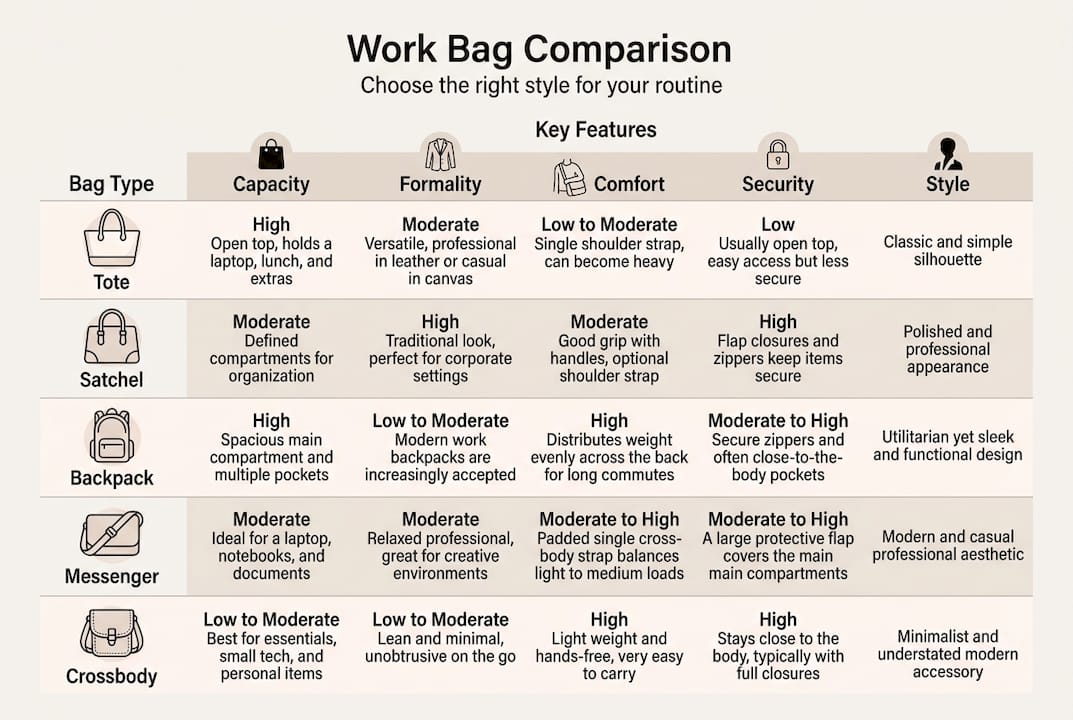
Overview of popular work bag types
With your priorities listed, it’s time to understand the styles on offer. Each bag type has genuine strengths, and knowing them helps you avoid buying something that looks great but fails you by Wednesday.
Tote bags are the workhorses of the professional world. Open-top designs offer fast access and generous capacity, fitting a laptop, files, and extras with ease. The trade-off is that they lack internal organisation unless you add pouches, and they sit on one shoulder, which can cause fatigue on longer commutes.

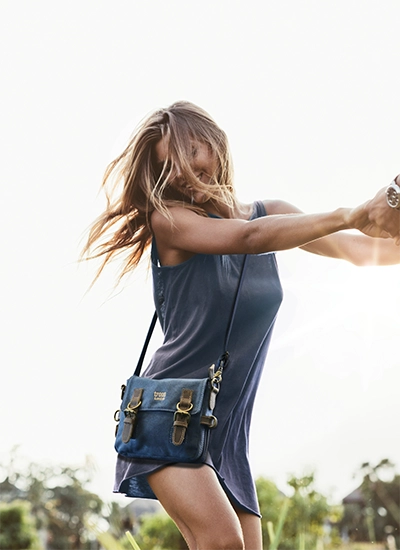
Satchels offer a more structured silhouette with a flap closure and typically a shoulder strap. They look polished in formal settings and keep contents organised, though capacity is more limited than a tote. A good satchel transitions well from a client meeting to an evening out.
Messenger bags sit across the body and are particularly popular with cyclists and public transport users. They offer quick access, a casual-to-smart aesthetic, and good capacity. The comparison between a messenger bag vs briefcase often comes down to formality: briefcases signal authority, messengers signal practicality.
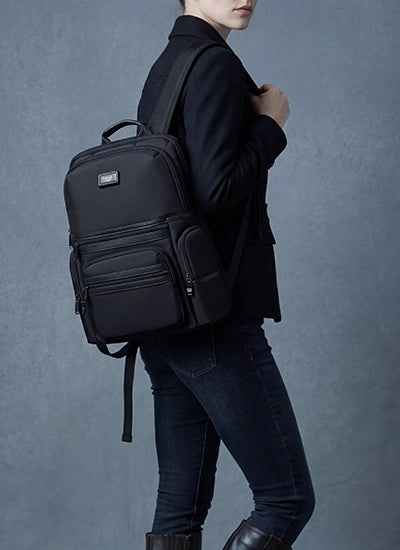
Backpacks distribute weight evenly across both shoulders, making them ideal for longer commutes or anyone carrying heavy tech. Modern work backpacks include padded laptop compartments and multiple pockets for organisation. They are the most versatile option for urban commuters.
Crossbody bags are compact and secure, sitting close to the body. They work well for lighter loads and professionals who move between locations frequently. Explore crossbody bag options if you prefer a minimalist carry.
For those weighing up alternatives, shoulder vs satchel bags is a worthwhile comparison, especially if you want the capacity of a tote without the open-top design.
Style experts confirm that totes handle laptop plus files plus gym kit, satchels suit medium structured loads, backpacks manage multi-device setups, and messenger bags or briefcases prioritise organisation and form.
| Bag type | Capacity | Formality | Best for |
|---|---|---|---|
| Tote | High | Casual to smart | Heavy daily loads |
| Satchel | Medium | Smart to formal | Office and meetings |
| Messenger | Medium-high | Casual to smart | Cycling, commuting |
| Backpack | High | Casual to smart | Long commutes, tech users |
| Briefcase | Medium | Formal | Corporate settings |
| Crossbody | Low-medium | Casual to smart | Light, mobile workers |
Essential features to check before you buy
Once you know your ideal bag style, focus on the features that will make daily use seamless. A beautiful bag that bruises your laptop or leaves your back aching by lunchtime is no bargain at any price.
Here are the key features to evaluate before committing:
- Laptop compartment: Look for a padded, dedicated sleeve that fits your device snugly. Loose padding or a shared compartment increases the risk of damage.
- Internal organisation: Pockets for pens, cards, keys, and cables prevent the dreaded rummage. Quick-access exterior pockets are worth their weight.
- Strap comfort: Padded, adjustable straps reduce fatigue significantly on longer journeys. For backpacks, look for a sternum strap if you carry heavy loads.
- Security features: Zipped closures and interior card pockets protect your valuables in crowded spaces.
- Versatility: A bag that adapts from a boardroom presentation to a post-work gym visit earns its keep far faster.
Experts highlight that padded laptop sleeves and quick-access pockets, combined with secure zips and the ability to move from office to gym, are the hallmarks of a truly functional work bag, with vintage-inspired neutral leather designs meeting all these criteria elegantly.
“Think about cost-per-use rather than upfront cost. A well-made bag used daily for ten years costs pennies per use. A cheap bag replaced every eighteen months costs far more in the long run.”
Pro Tip: If you can, load the bag with your actual daily essentials and wear it for ten minutes in the shop or at home before deciding. Comfort under real conditions is the only test that matters.
For a broader view of what to prioritise, these bag buying considerations and key bag features guides are genuinely useful starting points.
Materials, durability, and weather-proofing
Features matter, but materials determine how well your bag stands up to daily wear. Choosing the wrong material for your commute is one of the most common and costly mistakes buyers make.
Full-grain leather is the gold standard for professional bags. It develops a rich patina over time, meaning it genuinely looks better after years of use. Properly cared for, a full-grain leather bag can last decades. The downside is weight and the need for occasional conditioning.
Nylon is the commuter’s practical ally. It is lightweight, highly water-resistant, and easy to clean. The aesthetic is more casual or technical, which suits creative industries and active commuters well. As heavy loads demand reinforced straps and rain demands water-resistant materials or coatings, nylon ticks both boxes for demanding urban use.
Cotton canvas sits between the two. It offers a distinctive vintage look that ages beautifully, but it requires a wax or water-resistant treatment to cope with British weather. Canvas bags from quality makers are robust and characterful, and they pair well with both casual and smart-casual wardrobes.
Here are the key material trade-offs to keep in mind:
- Leather: formal, long-lasting, heavier, requires care
- Nylon: lightweight, weatherproof, casual aesthetic
- Canvas: vintage character, moderate durability, needs weatherproofing
- Waxed canvas: combines vintage look with improved water resistance
For a practical overview of how messenger bags suit formal and casual settings across different material choices, it is worth reading before you decide.
| Material | Durability | Weather resistance | Care needed | Aesthetic |
|---|---|---|---|---|
| Full-grain leather | Excellent | Moderate | High | Formal, classic |
| Nylon | Very good | Excellent | Low | Casual, technical |
| Cotton canvas | Good | Low-moderate | Moderate | Vintage, relaxed |
| Waxed canvas | Very good | Good | Low-moderate | Vintage, smart-casual |
A quality leather bag used every working day for a decade works out at roughly a few pence per use. That reframes the upfront investment considerably.
Our perspective: what most guides miss about work bags
Most buying guides point you towards the most expensive option and call it “investment dressing.” That is not always wrong, but it misses something important. Designer logos do not equal durability. Some of the most resilient, beautifully ageing bags come from specialist makers who prioritise construction over branding.
The real measure of a great work bag is how it feels after six months of daily use, not how it looks in a product photograph. Ergonomics, strap quality, and the way the bag holds its shape under load are things you can only assess through use or very careful in-store testing.
Cost-per-use is the framework that changes how people shop. As quality leather earns its cost over decades of use, the maths genuinely favour buying well once rather than replacing cheaply every couple of years. A bag that develops a patina, softens to your shape, and carries the marks of your working life is not just functional. It becomes part of your professional identity.
Our advice, drawn from years of crafting bags for commuters and professionals, is to use the commuter bag expertise available to you, test thoroughly, and buy for the long term.
Find your ideal work bag at Troop London
You now have the framework to make a genuinely informed choice. You know your carry requirements, your commute demands, the bag style that suits your working life, and the materials that will serve you best.
At Troop London, every bag is designed with exactly this kind of professional in mind. From structured canvas messenger bags and vintage-inspired backpacks to sleek satchels built for the daily commute, the range covers every working style. Craftsmanship and durability are built in from the start, so you are not just buying a bag. You are buying something that will age well, carry well, and look sharp for years to come. Browse the full collection and put what you have learned today to work.
Frequently asked questions
How do I choose the right size for my work bag?
List your daily essentials first, then select a bag that accommodates them comfortably without being overstuffed. A bag that is too large encourages overpacking, which adds unnecessary weight to your commute.
Which material is best for durability and weather resistance?
Full-grain leather leads on longevity and develops character over time, while nylon is the superior choice for weather resistance on commutes where rain and heavy loads are a daily reality.
Are vintage-inspired bags suitable for formal offices?
Absolutely. Vintage-style neutral leather in tan, dark brown, or black reads as polished and professional in most formal environments, particularly in structured satchel or briefcase silhouettes.
What features matter most for commuting by bike or public transport?
Prioritise padded, adjustable straps, secure zip closures, and water-resistant material. A backpack or messenger bag with a stabilising strap keeps your load steady and your hands free, which matters most when cycling demands weatherproofing and security above all else.


