




Heritage collections: style, craftsmanship, timeless appeal
TL;DR:
- Heritage collections emphasize craftsmanship, durability, and timeless design over fleeting trends.
- Authentic heritage bags use natural materials, reinforced construction, and minimal branding.
- Investing in heritage pieces supports sustainability, personal expression, and long-term value.
There is a quiet shift happening in the way people think about what they carry. Newness is no longer the ultimate measure of style. Increasingly, consumers are turning away from disposable trends and towards pieces that carry genuine history, intention, and craft. Heritage collections sit at the heart of this movement. They are not simply bags or accessories styled to look old. They represent a philosophy: that quality endures, that design should serve a purpose, and that what you choose to carry says something real about who you are. This article explores what heritage collections truly are, why they matter, and how to make them work for you.
Table of Contents
- What is a heritage collection?
- Key features of heritage collections
- The cultural and style impact of heritage collections
- How to choose and care for heritage pieces
- Why heritage collections really matter today
- Explore heritage-inspired style with Troop London
- Frequently asked questions
Key Takeaways
| Point | Details |
|---|---|
| Timeless design | Heritage collections focus on classic styles and durability that never go out of fashion. |
| Sustainable value | Quality materials and craftsmanship make heritage pieces environmentally and financially smart choices. |
| Distinctive features | Heritage bags are easily identified by premium materials, hand-finished details, and traditional manufacturing. |
| Cultural impact | Choosing heritage collections allows you to express personal style while honouring fashion history. |
What is a heritage collection?
The term “heritage collection” gets used loosely in fashion, but it has a specific meaning when applied to bags and accessories. At its core, a heritage collection is a range of products rooted in traditional craftsmanship, historical design references, and materials chosen for longevity rather than cost-cutting. These are not retro-themed novelties. They are pieces built on a foundation of genuine making knowledge, often drawing from decades or even centuries of craft tradition.
The concept originates from European artisan culture, where cobblers, saddlers, and leatherworkers passed skills down through generations. The bags and cases they produced were designed to last a working lifetime. That ethos carried into the 20th century through military kit, travel luggage, and workwear, all of which prioritised function and durability over fashion cycles.
What separates a heritage collection from a standard product line is intention. Standard lines are often designed around trend forecasting, seasonal colour palettes, and price points. Heritage collections are designed around the question: will this still be relevant and functional in twenty years? The urban vs heritage bags distinction is a useful one here, as defining characteristics of heritage collections include timeless silhouettes, honest materials, and restrained branding.
Core values that define a heritage collection:
- Craftsmanship over mass production
- Materials selected for durability and character
- Design rooted in function, not trend
- Subtle or minimal branding
- Timeless silhouettes that transcend seasonal fashion
- A story or provenance behind the design
| Feature | Heritage collection | Standard collection |
|---|---|---|
| Design lifespan | Decades | 1 to 2 seasons |
| Material focus | Premium, natural | Cost-efficient |
| Branding style | Subtle, restrained | Prominent, logo-led |
| Production ethos | Craft-led | Volume-led |
| Value over time | Appreciates or holds | Depreciates quickly |
The table above makes the contrast clear. A heritage piece is an investment in the truest sense, not just financially but in terms of the values it represents.
Key features of heritage collections
Knowing what a heritage collection stands for is one thing. Recognising it in the wild is another. There are specific design, material, and construction choices that signal genuine heritage quality, and once you know what to look for, you will spot them immediately.
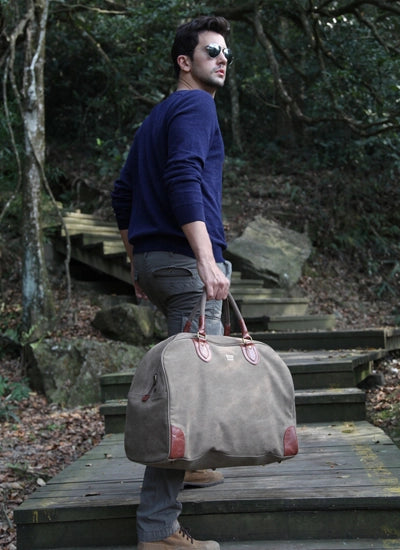
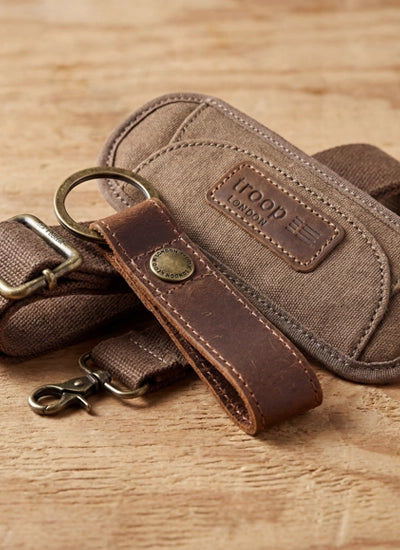
Materials are the first indicator. Genuine heritage pieces use natural, honest materials: full-grain leather, waxed or organic canvas, solid brass or antique-finish metal hardware. These materials age well. Leather develops a patina. Canvas softens and moulds to use. Brass hardware acquires a warm, lived-in tone. Synthetic alternatives, by contrast, tend to crack, fade, or peel over time.
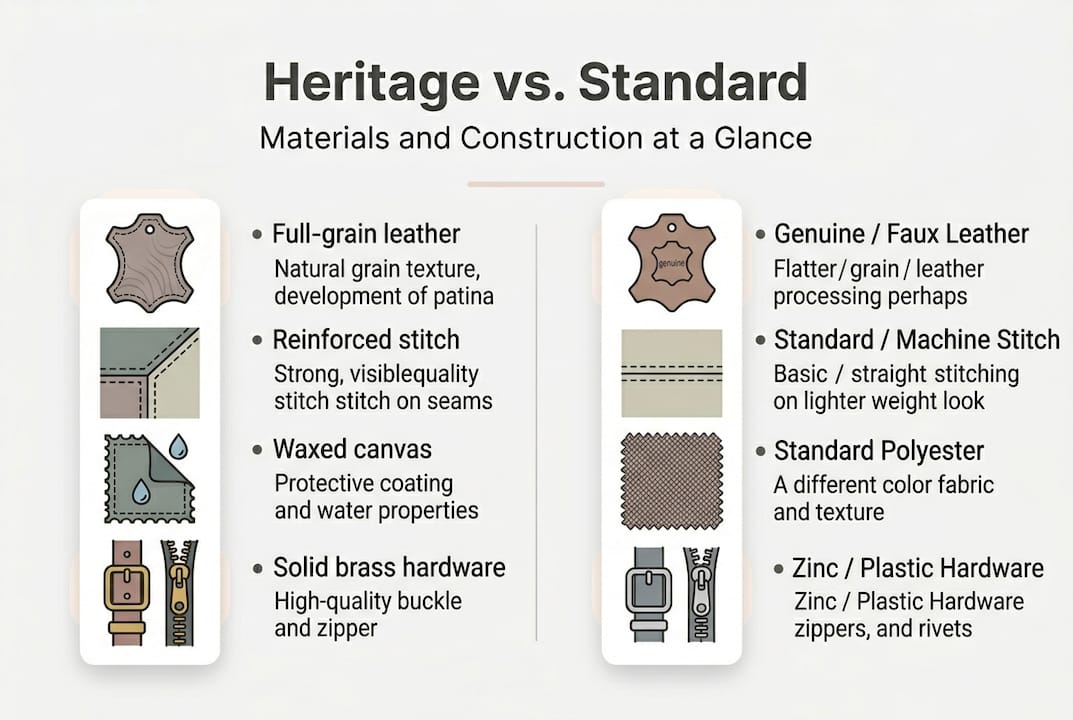
Construction is the second signal. Look for reinforced stitching at stress points, solid rivets at bag corners, and lining that is sewn rather than glued. Hand-finished edges and consistent, tight stitch counts indicate that someone cared about the making process. The finest leather and canvas backpacks share this attention to detail as a defining quality.

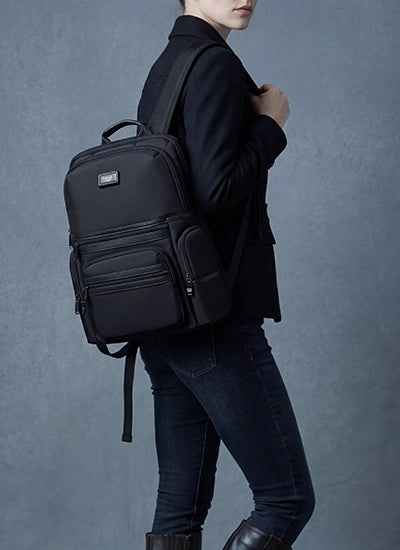
Design restraint is equally telling. Heritage pieces avoid loud logos and seasonal embellishments. The shape does the work. Classic messenger silhouettes, structured tote forms, and clean backpack profiles are all examples of design that has stood the test of time because it solves a problem elegantly.
Sustainability is woven into this naturally. UK sustainable luxury fashion increasingly recognises that quality and sustainability are not competing values but complementary ones. A bag built to last twenty years has a far lower environmental footprint than five bags replaced every four years.
Signs of genuine heritage quality:
- Organic or waxed canvas with visible texture and weight
- Brass or antique-finish metal fittings, not plastic
- Reinforced stitching at handles, straps, and base corners
- Lining that is sewn and finished, not just glued
- Minimal or embossed branding rather than printed logos
| Quality indicator | Heritage piece | Fast fashion alternative |
|---|---|---|
| Hardware | Solid brass or antique metal | Plastic or chrome-plated |
| Canvas or leather | Organic, waxed, or full-grain | Synthetic or bonded |
| Stitching | Reinforced, consistent | Glued or minimal |
| Ageing quality | Improves with use | Deteriorates quickly |
Pro Tip: Run your thumb along the stitching of any bag you are considering. Consistent tension and tight spacing indicate machine or hand stitching done with care. Loose, uneven stitching is a warning sign regardless of the price tag.
The cultural and style impact of heritage collections
Craftsmanship matters, but heritage collections carry something beyond their physical qualities. They hold cultural weight. In a fashion landscape saturated with fast cycles and disposable aesthetics, choosing a heritage piece is a statement. It signals that you value permanence over novelty, craft over convenience, and identity over trend.
“A bag is not just a bag. It is a daily companion that reflects your values, your taste, and your relationship with the things you own.”
Heritage collections have become cultural touchstones in urban style. The bag collections in urban style conversation increasingly centres on pieces that carry meaning, with heritage collections as statements of sophistication and personal identity. This is not nostalgia. It is a conscious rejection of the idea that newer is always better.
Modern consumers, particularly those in their thirties and beyond, are gravitating towards pieces that feel considered. A canvas messenger with brass fittings worn over a contemporary coat. A structured leather backpack paired with minimalist streetwear. These combinations work because heritage pieces have an inherent visual authority. They do not compete with your outfit. They anchor it.
The connection between luxury and sustainability is also reshaping how people engage with heritage style. Owning fewer, better things is becoming a genuine lifestyle position, not just an aspiration.
Ways to incorporate heritage pieces into your look:
- Use a canvas messenger as your primary work or commuter bag for an effortless, polished everyday look.
- Pair a structured heritage backpack with a tailored jacket to balance casual and formal elements.
- Add a small heritage crossbody to a weekend outfit for understated, functional style.
- Choose accessories such as brass keyrings or bag charms that echo the material palette of your main bag.
- Let the bag age naturally. Patina and wear are part of the appeal, not a flaw to be hidden.
How to choose and care for heritage pieces
If you are ready to invest in a heritage bag or accessory, a little knowledge goes a long way. Not every piece marketed as “heritage” genuinely qualifies. Here is how to choose wisely and protect what you buy.
Checklist for identifying a true heritage piece:
- Check the material label or product description for organic canvas, waxed cotton, or full-grain leather.
- Examine the hardware. Solid brass or antique-finish metal should feel heavy and substantial.
- Look at the stitching under good light. Consistent, tight stitching indicates quality construction.
- Assess the lining. It should be sewn in and finished at the edges, not heat-bonded.
- Research the brand’s provenance. A genuine heritage ethos comes with a story, not just a marketing claim.
The sophisticated guide to selecting bags is a useful resource here, as tips for selecting quality bags emphasise matching the bag’s construction to your intended use as well as your aesthetic preferences.
Caring for your heritage bag:
- For canvas bags, spot-clean with a damp cloth and mild soap. Avoid machine washing, which can distort structure.
- For leather elements, use a dedicated leather conditioner every three to six months to prevent drying and cracking.
- Store bags stuffed with tissue paper or a bag insert to maintain their shape when not in use.
- Keep bags away from prolonged direct sunlight, which can fade canvas and dry out leather.
- Treat brass hardware with a soft, dry cloth to remove fingerprints and maintain its warm finish.
Pro Tip: Store your heritage bag in a breathable dust bag rather than a plastic cover. Canvas and leather need air circulation to prevent mildew and odour, especially in warmer months.
Why heritage collections really matter today
There is a temptation to view heritage collections as a niche interest, the preserve of fashion insiders or those with a sentimental attachment to the past. That reading misses something important. Heritage collections are gaining ground precisely because they answer a genuine need that fast fashion cannot meet.
People are tired of replacing things. The average consumer is becoming more aware that buying cheaply and frequently is neither economical nor satisfying. A bag that lasts a decade and improves with age offers something that a trend-led purchase simply cannot: continuity. It becomes part of your story rather than a footnote in a seasonal wardrobe cycle.
Long-term owners of quality heritage pieces consistently describe the same experience. The bag becomes more theirs over time. Scuffs and wear marks are not damage. They are evidence of a life lived. That relationship with an object is increasingly rare and, for that reason, increasingly valued. Sustainable luxury in fashion is not a marketing trend. It is a genuine shift in how thoughtful consumers relate to the things they own. Choosing a heritage piece is, in many ways, a small act of resistance against the culture of disposability.
Explore heritage-inspired style with Troop London
Understanding what makes a heritage collection genuinely worthwhile is the first step. Finding a brand that lives those values is the next.

At Troop London, every bag and accessory is designed with the heritage ethos at its core. Organic canvas, brass fittings, reinforced construction, and timeless silhouettes are not marketing language here. They are the actual foundation of every piece in the collection. Whether you are drawn to the classic messenger, a structured backpack, or a compact crossbody, Troop London offers quality that earns its place in your life for years, not seasons. Explore the full range and find the piece that fits your story.
Frequently asked questions
What makes a bag a true heritage collection piece?
A true heritage collection bag is distinguished by its craftsmanship, use of premium durable materials, and design rooted in tradition. The defining characteristics include timeless silhouettes, honest construction, and restrained branding that prioritises longevity over trend.
Are heritage collections always more expensive?
Heritage collections often cost more upfront due to high-quality materials and craftsmanship, but their longevity offers greater long-term value. High-quality materials mean you replace the bag far less often, making the cost per year of use genuinely competitive.
Can heritage bags suit modern urban style?
Absolutely. Heritage bags blend timeless elegance with everyday function, complementing both classic and contemporary looks. The heritage collections influence on urban style is well established, with structured silhouettes and natural materials pairing effortlessly with modern wardrobes.
How can I care for my heritage collection bag?
Use gentle cleaners suited to the specific material, store bags stuffed and in breathable covers, and condition leather elements regularly. Following the manufacturer’s specific care guide will always give you the best results for your particular bag.


