



Best Bag for City Commuting: What to Choose
The wrong bag usually reveals itself at 8:17 am - when you are standing on a crowded platform, balancing a coffee, checking your phone, and trying to reach your travel card without unpacking half your day. That is why choosing the best bag for city commuting is less about fashion statements and more about how well a bag performs when the pace is fast, space is limited, and your essentials need to stay protected.
A good commuting bag should feel dependable from the first journey to the hundredth. It needs to carry what you actually use, sit comfortably through walks and train changes, and look considered enough for work, meetings, and the rest of the day. In a city setting, function matters first - but understated style matters too.
What makes the best bag for city commuting?
The answer depends on what your commute looks like. Someone cycling across town has different priorities from someone taking two trains and walking twenty minutes to the office. Even so, the best bag for city commuting tends to share the same core qualities: practical capacity, thoughtful organisation, lasting comfort, and materials that can cope with daily wear.
Size is the first thing to get right. Too small, and you end up carrying a second tote for your lunch or laptop charger. Too large, and the bag becomes bulky, awkward on public transport, and easy to overfill. For most weekday use, a medium-sized bag is the sensible choice. It should hold a laptop, notebook, water bottle, phone, wallet, keys, and a few personal items without feeling oversized.
Organisation is equally important. A single large compartment can look tidy at first, but during a commute it often becomes frustrating. You should be able to separate your work essentials from smaller items you need quickly. External pockets are useful for passes or phones, while internal sections keep cables, pens, and valuables in place. Good organisation reduces the constant rummaging that slows you down.
Comfort is often underestimated until the bag is fully loaded. Padded straps, a balanced shape, and a design that sits close to the body all make a difference over time. If you commute on foot for any real distance, the carry system matters as much as the storage itself.
Backpack, messenger or crossbody?
There is no universal winner, because the right format depends on how you move through the city.
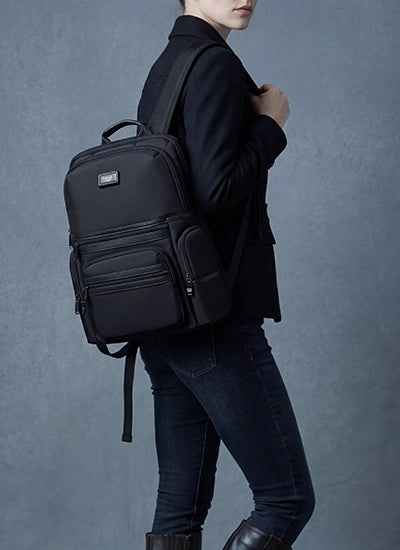
A backpack is often the most practical option for people carrying heavier loads. If you take a laptop, charger, documents, lunch, and perhaps an extra layer, a backpack distributes weight more evenly and tends to be the most comfortable over longer walks. It also leaves both hands free, which is useful on stairs, escalators, and packed train carriages. The trade-off is profile. Some backpacks can feel too sporty or too large for a professional setting, so shape and finish matter.
A messenger bag offers a more traditional work-ready look and can be easier to access on the move. If you need to reach for a notebook, tablet, or travel card without taking the bag off, this style has clear advantages. It suits lighter daily carry very well. The compromise is weight distribution. A single shoulder carry can become tiring if the bag is packed heavily every day.
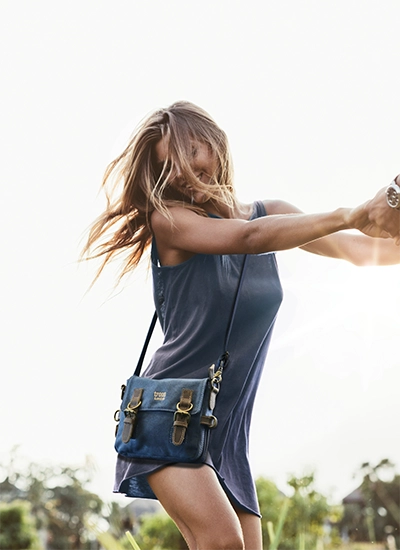
A crossbody bag works well for minimal commutes. If your day only requires a tablet, wallet, phone, keys, and a few small essentials, it keeps things light and streamlined. It is less suitable as a primary work bag if you regularly carry a laptop or substantial paperwork.
For many city professionals, the sweet spot is a refined backpack or structured messenger made with durable materials and clean lines. That balance of comfort and polish is what gives a commuting bag real staying power.
Why material matters more than people think
A commuting bag is handled constantly. It is set on train floors, brushed against ticket barriers, tucked under desks, and carried in all weather. Material choice therefore affects not only appearance, but also reliability.
Canvas remains a strong option for everyday city use because it offers durability without looking overly technical. A well-made canvas bag has substance to it. It feels grounded, wears in rather than wearing out, and suits both casual and professional wardrobes. It also tends to age with character, which appeals to buyers who prefer lasting design over trend-led styling.
Leather can look smart, but full leather bags are often heavier and may require more care in wet conditions. Synthetic materials can be lightweight and weather resistant, though some lack the depth and longevity that many buyers want from an everyday carry piece. In practical terms, a sturdy canvas construction with quality trims often strikes the right balance between performance, appearance, and long-term value.
Workmanship matters just as much as the fabric itself. Reinforced stitching, dependable zips, secure fastenings, and a stable base all contribute to how well the bag stands up to repeated use. A bag may look good on a product page, but poor finishing tends to reveal itself quickly during a daily commute.
Features worth paying for
Not every feature is essential, but some details genuinely improve everyday use.
A padded laptop compartment is one of them. If you carry a laptop most days, it should have its own secure section rather than floating freely beside chargers and water bottles. This helps protect the device and keeps the bag better organised.
A structured shape is another useful feature. Bags that collapse too easily can be awkward to pack and harder to access in busy spaces. A little structure helps the bag hold its form, which often makes it feel neater and more professional.
Weather resistance deserves consideration, especially in Britain. That does not mean every commuter needs a highly technical waterproof shell. For most people, hard-wearing fabric, quality lining, and well-finished closures are enough to cope with ordinary rain and day-to-day exposure.
Secure pockets are also worth prioritising. In a crowded city, having a zipped section close to the body for valuables offers reassurance. This is particularly useful for phones, wallets, keys, and travel documents.
Style should work all week
The best commuting bag is not just one that gets you to work. It should also work when your day changes shape. You might head to a client meeting, stop for dinner, or go straight to the station for an overnight trip. A bag with timeless design is more versatile than one tied too closely to a passing trend.
This is where understated styling earns its place. Neutral tones, clean silhouettes, and quality materials tend to feel appropriate across more settings. A well-designed bag should complement your wardrobe rather than compete with it.
That does not mean it needs to look formal. City commuting often sits between professional and casual, so the most useful bags reflect that middle ground. Refined enough for work, relaxed enough for everyday life, and built with details that remain relevant season after season.
Troop London has long understood this balance, particularly in canvas bags designed for everyday carry. The appeal is not excess. It is dependable construction, practical layouts, and a look that stays current because it never chases novelty.
How to choose the right one for your routine
Start with what you carry on an ordinary weekday, not what you might carry once a month. If your daily essentials are compact, a large bag will only add bulk. If you regularly carry tech, documents, lunch, and a water bottle, choose a bag designed for that load from the outset.
Then think about your route. A short walk and direct train journey may suit a messenger bag perfectly. A longer mixed commute with stairs, standing, and more walking usually favours a backpack. If your bag stays on your shoulder for forty minutes at a time, comfort should move higher up your list.
Finally, consider longevity. A commuting bag is used often enough that cost per wear matters more than initial price alone. A well-made bag in durable canvas with strong fittings will usually serve you better than a cheaper alternative that loses shape, frays, or becomes uncomfortable after a few months.
The best choice is rarely the bag with the most features. It is the one that fits your routine, protects what matters, and continues to look right after daily use. In city life, that kind of reliability is what turns a bag from a simple accessory into part of how you move through the day.
Choose with care, and your commute becomes one thing you no longer have to think twice about.


