



Are Backpacks or Messenger Bags Better?
You notice the difference halfway through a commute, not when you leave the house. A bag that looked right in the mirror can feel very different on a packed train, on foot between meetings, or after an hour of carrying a laptop and daily essentials. That is why so many people ask, are backpacks or messenger bags better? The honest answer is less about fashion and more about how you move through the day.
For some, the right bag needs to carry a laptop, charger, notebook, water bottle and a few personal items without strain. For others, it needs to look composed in a work setting and allow quick access while travelling across the city. Both backpacks and messenger bags can do these jobs well, but they do them in different ways. Choosing properly means looking at comfort, capacity, organisation, appearance and how the bag will age with regular use.
Are backpacks or messenger bags better for daily use?
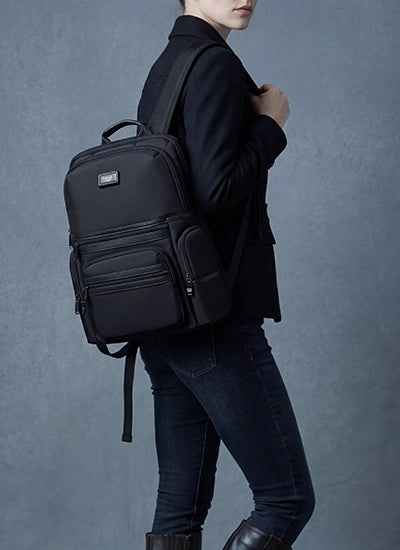
If your day involves longer walks, heavier loads or frequent travel, a backpack usually has the advantage. Two shoulder straps distribute weight more evenly across your back and shoulders, which makes a noticeable difference when you are carrying a laptop, paperwork, cables and anything else required for work or study. A well-made backpack also tends to sit more securely while cycling, walking briskly or navigating crowded streets.
A messenger bag, by contrast, offers speed and convenience. Worn across the body or on one shoulder, it gives easier access to the contents without taking the bag off completely. That makes it appealing for commuters who need to reach for a travel card, notebook, phone or tablet throughout the day. It also suits those who carry a lighter load and prefer a sharper, more streamlined silhouette.
In other words, backpacks tend to favour comfort and capacity, while messenger bags favour accessibility and polish. Neither is better in every situation.
Comfort changes the answer quickly
Comfort is often the deciding factor, especially if you carry your bag for longer than twenty minutes at a time. A backpack is generally kinder to the body because the weight is balanced across both shoulders. When the straps are properly adjusted, the load sits closer to your back and feels more stable. This matters even more if you commute on foot, use public transport daily, or travel with a laptop and chargers.
Messenger bags place all of the weight on one side. That can feel perfectly manageable with a slim laptop, a notebook and a few essentials, but less so once the bag becomes heavier. Over time, an uneven load can become tiring, particularly on longer journeys. If you prefer a messenger bag, the best approach is to keep the contents disciplined and choose a design with a broad, well-constructed strap.
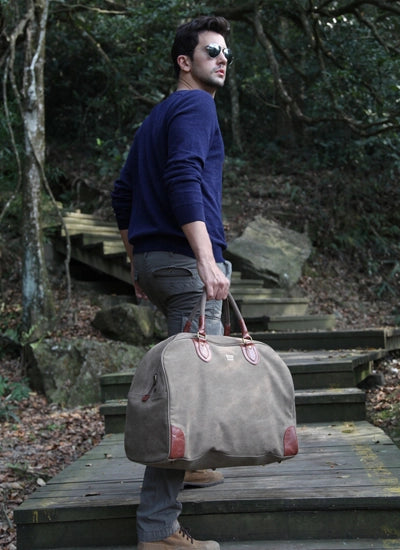
The material also affects comfort. A well-structured canvas bag offers durability and presence without the stiffness some synthetic alternatives develop over time. It tends to soften with use while retaining character, which is one reason heritage-inspired canvas bags remain a practical choice for everyday carry.
Capacity and organisation matter more than size alone
People often focus on dimensions, but layout is just as important. A backpack usually provides more vertical space and better capacity for bulkier loads. It is often the better option if you need room for a lunch box, water bottle, over-ear headphones, a light layer, or documents that should stay flat. For students and professionals carrying a mix of work and personal items, that extra room can be the difference between tidy packing and a daily struggle.
Messenger bags are often more disciplined by design. They encourage a lighter carry, which can be a benefit rather than a limitation. If your essentials are a laptop, notebook, pens, phone, wallet and keys, a well-organised messenger bag can feel efficient and refined. Compartments are especially useful here, as the lower profile leaves less room for items to disappear into the bottom of the bag.
A practical question helps clarify the choice. Do you want your bag to carry everything you might need, or only what you actually use each day? Backpacks suit the first approach. Messenger bags suit the second.
Style and setting still count
Function comes first, but style is part of daily utility too. A bag should feel appropriate wherever you take it, whether that is an office, university campus, station platform or airport terminal.
Messenger bags often appear more tailored. Their slim shape and close-to-body carry can complement smart-casual and business dress particularly well. They work naturally in professional settings where a bulky bag may feel out of place. If your priority is a cleaner profile and easy transitions from work to dinner or client meetings, a messenger bag can be the more suitable choice.
Backpacks have become far more refined than they once were. A thoughtfully designed canvas backpack in muted tones can look every bit as considered as a messenger bag, especially when the shape is clean and the hardware understated. For many professionals, the modern backpack has become an accepted part of daily workwear because it delivers comfort without sacrificing appearance.
This is where design quality matters. A well-made bag with strong stitching, dependable zips, practical pockets and restrained detailing will always outlast trend-led styling. Timeless design tends to look right for longer, which makes it a better investment for everyday use.
Are backpacks or messenger bags better for work?
For office use, the answer depends on what your workday looks like before you reach your desk. If you walk significant distances, commute on public transport, or carry a 15-inch laptop with accessories, a backpack is usually the more practical choice. It reduces strain and gives you room for the tools of the day without feeling overpacked.
If your commute is shorter and your load lighter, a messenger bag may feel more professional and more convenient. It is easier to slide under a table, easier to access in meetings and often better suited to those who prefer to carry documents and tech in a flatter format.
Hybrid working has shifted this decision slightly. Many people now move between home, office and shared workspaces across the week. In that pattern, versatility becomes more valuable than strict formality. A backpack that looks polished enough for meetings and performs well in transit often proves the stronger all-rounder.
Travel, commuting and movement
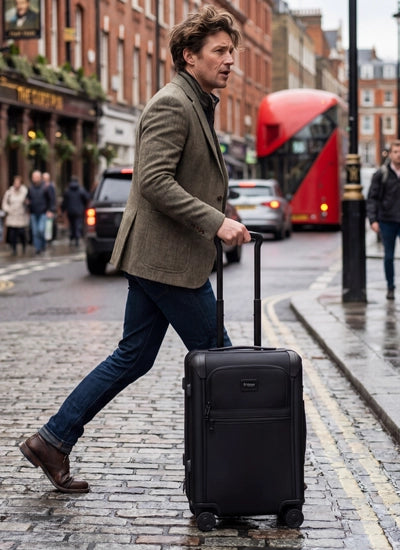
Movement changes everything. For airports, rail travel and busy commutes, backpacks are generally superior. They leave your hands free, balance the load and make it easier to move quickly through stations or terminals. If you are carrying more than the essentials, that freedom matters.
Messenger bags work well for lighter travel days, especially when access is more important than volume. They are useful when you need tickets, passport, phone or a notebook within easy reach. For short city breaks, local travel, or meetings across town, a compact messenger bag can be ideal.
The strongest choice often comes down to duration. The longer you carry the bag, the more a backpack justifies itself. The shorter and lighter the trip, the more a messenger bag appeals.
What type of person suits each bag?
A backpack suits people whose days are varied and mobile. That includes commuters, students, frequent travellers and anyone carrying more than a few core essentials. It is especially well suited to those who value comfort, balanced weight distribution and flexible storage.
A messenger bag suits people who carry selectively and want quicker access with a more refined profile. It works well for lighter office loads, creative professionals, urban commuters and anyone who prefers an organised, close-at-hand carry.
There is also a practical middle ground. Some people own both because their routine changes across the week. A backpack for heavier days and travel, a messenger bag for lighter workdays and meetings, is not overthinking it. It is simply matching the bag to the task.
The better choice is the one you will keep using
The question is not really whether one style wins outright. It is whether the bag supports your routine with enough comfort, durability and organisation to become part of it without effort. That is where material quality, workmanship and considered design begin to matter more than category alone.
If you carry weight, walk often or travel regularly, choose a backpack. If you carry light, want easy access and prefer a neater silhouette, choose a messenger bag. And if you are choosing for the long term, look beyond short-lived trends and towards a bag built to handle daily life with quiet reliability - the kind of piece that feels better with use, not worse.
The right bag should do more than carry your things. It should make the day feel easier from the moment you leave the house.


