
Backpack Design Benefits – Style, Comfort, and Sustainability
Nearly 60 percent of British students and young professionals now seek backpacks that blend style with durability for their busy routines. Navigating daily commutes and outdoor activities demands a bag that feels comfortable, looks good, and stands up to real wear. Eco-conscious choices are reshaping trends, making sustainable design just as vital as appearance or function. This guide takes you through what makes a modern British backpack truly fit for fashion-forward, practical living.
Table of Contents
- Defining Backpack Design And Its Purpose
- Materials And Styles For Modern Backpacks
- Key Features Promoting Comfort And Function
- Sustainability And Environmental Impact
- Comparing Backpacks To Alternative Bags
Key Takeaways
| Point | Details |
|---|---|
| Ergonomic Design | Backpacks should feature dual straps and adjustable components to ensure balanced weight distribution and enhance user comfort. |
| Material Selection | Opt for backpacks made from sustainable materials, such as recycled polyester and organic cotton, to reduce environmental impact. |
| Functionality over Aesthetics | Focus on functional features like padded straps and multiple compartments to support daily usage and reduce physical strain. |
| Comparative Advantage | Backpacks generally provide superior ergonomic support compared to alternative bags, making them the preferred choice for carrying heavier loads. |
Defining Backpack Design and Its Purpose
Backpack design represents a sophisticated intersection of form, function, and human ergonomics, transforming a simple carrying implement into a nuanced personal accessory. At its core, the purpose of backpack design transcends mere transportation of items, evolving into a complex discipline that addresses physical comfort, aesthetic expression, and practical utility.
Traditionally, backpacks have been engineered to solve specific biomechanical challenges. Research examining backpack biomechanics reveals critical considerations like weight distribution, strap configuration, and body accommodation. Modern designs must strategically balance load management to prevent musculoskeletal strain, particularly for students and professionals who carry significant daily equipment.
The fundamental elements of backpack design encompass several key dimensions: ergonomic structure, material selection, weight distribution systems, and aesthetic styling. Contemporary backpack designers now integrate advanced features such as padded shoulder straps, adjustable harnesses, multiple compartment layouts, and lightweight yet durable fabrics. These elements collectively create a holistic product that supports both physical comfort and individual style preferences.
Pro tip: When selecting a backpack, prioritise designs with ergonomically curved straps and multiple adjustment points to ensure personalised comfort and reduce potential physical strain.
Materials and Styles for Modern Backpacks
Modern backpack design has evolved far beyond simple fabric containers, transforming into sophisticated accessories that blend functionality with personal expression. The contemporary backpack market offers an impressive range of materials and styles catering to diverse lifestyles and aesthetic preferences, from minimalist urban commuter designs to robust outdoor adventure gear.
Emerging backpack styles for college students highlight a significant shift towards materials and designs that prioritise both sustainability and technological integration. Contemporary backpacks now feature eco-friendly fabrics like recycled polyester, organic cotton, and innovative sustainable textiles that reduce environmental impact while maintaining durability. The materials are carefully selected to provide water resistance, lightweight performance, and exceptional wear resistance.
The style spectrum ranges widely, encompassing minimalist urban designs with clean lines, vintage-inspired leather options, and technically advanced backpacks with smart compartments for digital devices. Key material considerations include water-resistant treatments, breathable fabric panels, reinforced stress points, and ergonomic design elements that distribute weight effectively. These design principles ensure that modern backpacks are not merely carrying solutions but comprehensive lifestyle accessories that reflect individual personality and functional requirements.
Here’s a summary of innovative backpack materials and their practical benefits:
| Material Type | Key Properties | Common Usage Scenarios | Sustainability Impact |
|---|---|---|---|
| Recycled Polyester | Durable, water-resistant | Urban commuting, students | Reduces plastic waste |
| Organic Cotton | Soft, breathable | Casual, eco-conscious users | Biodegradable, low footprint |
| Vegan Leather | Stylish, lightweight | Business, fashion accessories | Cruelty-free, renewable |
| Technical Canvas | Tough, abrasion-resistant | Outdoor, hiking, travel | High longevity, repairable |
Pro tip: When selecting a backpack, examine the fabric weight, water-resistance rating, and strap ergonomics to ensure you choose a design that matches your specific daily usage and aesthetic preferences.
Key Features Promoting Comfort and Function
Backpack design has transformed from a simple carrying solution into a sophisticated ergonomic system that prioritises user comfort and physiological well-being. Understanding the intricate relationship between design elements and human biomechanics is crucial for creating backpacks that support natural body mechanics and reduce potential physical strain.
Ergonomic research on backpack design reveals critical features that significantly enhance user comfort and functionality. These include strategically designed shoulder straps with precise padding, adjustable hip belts that redistribute weight effectively, and ventilated back panels that minimise heat accumulation and moisture build-up. The goal is to create a carrying solution that adapts to individual body structures, reducing muscular stress and preventing long-term postural complications.
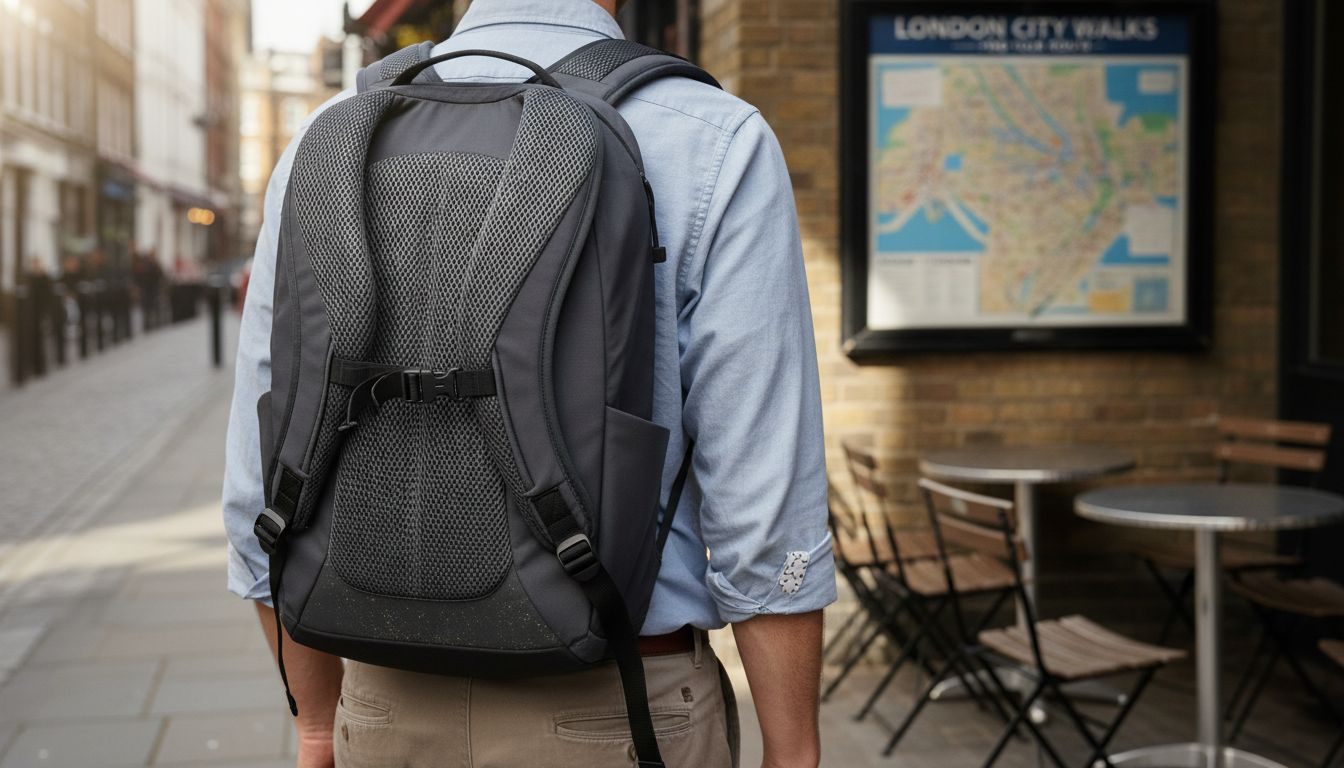
Advanced backpack designs now incorporate multiple sophisticated comfort features beyond basic weight distribution. Lightweight, flexible materials combined with anatomically contoured straps help minimise pressure points, while intelligent compartment layouts ensure weight is centrally balanced. Innovative design elements like compression straps, breathable mesh panels, and customisable fit mechanisms allow users to personalise their carrying experience, transforming backpacks from mere accessories into personalised ergonomic tools that support individual movement patterns and physical requirements.
Pro tip: When assessing a backpack’s comfort, test its weight distribution by wearing it fully loaded and walking around, paying close attention to how evenly the weight settles across your shoulders and back.
Sustainability and Environmental Impact
Backpack production has emerged as a critical arena for environmental responsibility, with manufacturers increasingly recognising the profound ecological implications of their design and manufacturing choices. Modern consumers are demanding more than just functional accessories; they seek products that demonstrate genuine commitment to environmental stewardship and sustainable production practices.
Research into the carbon footprint of backpack manufacturing reveals that a single backpack can generate between 10 to 25 kg of carbon dioxide equivalent during its production cycle. This significant environmental impact has prompted innovative approaches to sustainable design, including the utilisation of recycled materials, implementation of energy-efficient manufacturing processes, and development of long-lasting product strategies that extend the useful life of each backpack.
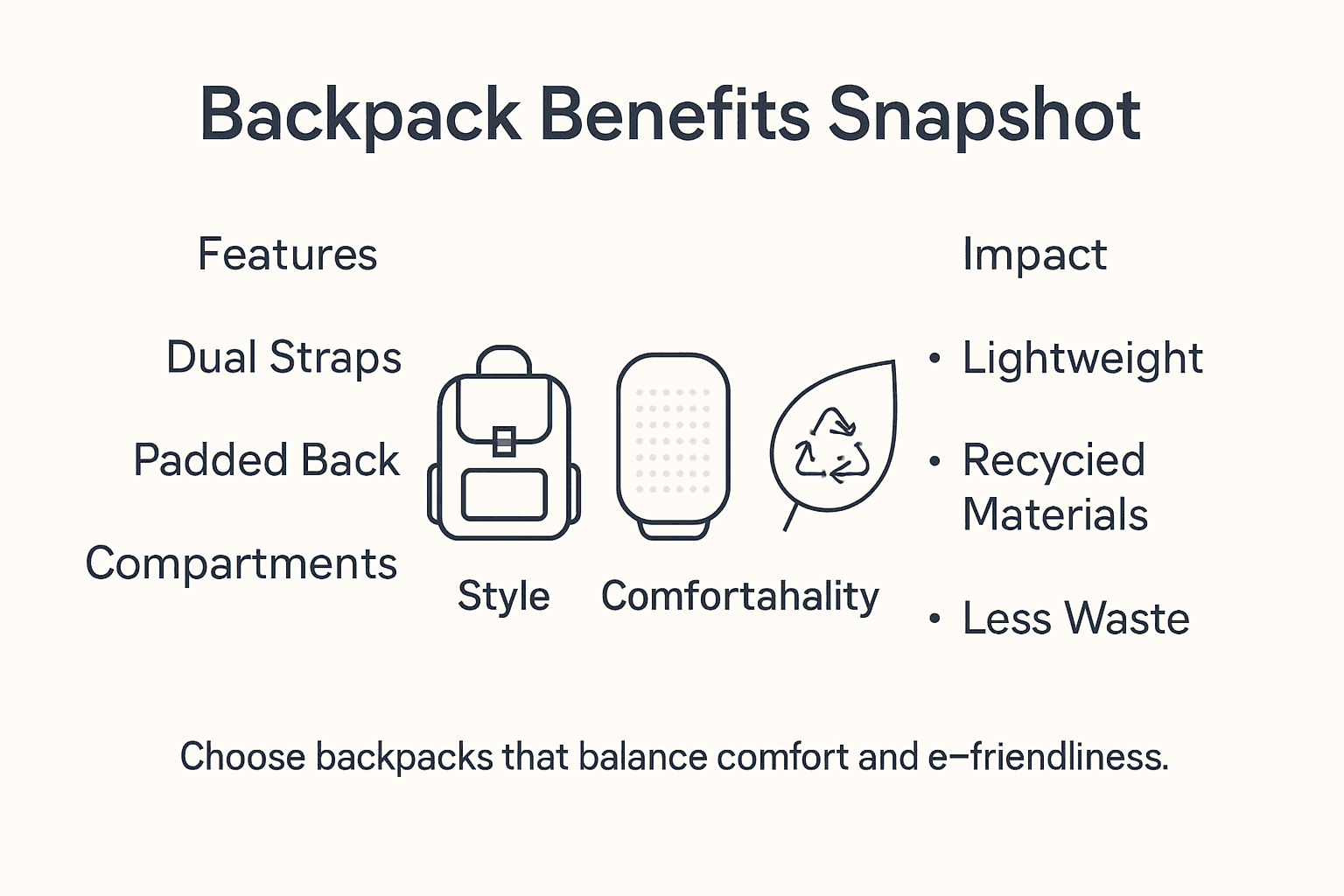
Sustainable backpack design now encompasses multiple strategic approaches, from selecting eco-friendly materials like recycled polyester and organic cotton to implementing production techniques that minimise waste and reduce energy consumption. Manufacturers are increasingly adopting circular economy principles, designing products that can be easily repaired, recycled, or biodegraded at the end of their lifecycle. These innovations represent a holistic approach to environmental responsibility, addressing not just the material composition but the entire lifecycle of the product, from initial design to eventual disposal.
Pro tip: When purchasing a backpack, look for transparent sustainability certifications and investigate the manufacturer’s environmental commitment to make a more responsible consumer choice.
Comparing Backpacks to Alternative Bags
Carrying solutions have evolved dramatically, offering individuals multiple options beyond the traditional backpack. Understanding the nuanced differences between various bag types helps consumers make informed decisions that align with their lifestyle, physical comfort, and functional requirements.
Systematic research comparing carrying methods demonstrates that backpacks consistently outperform alternative bags in terms of ergonomic design and physiological support. Single-strap messenger bags, shoulder bags, and tote carriers often create uneven weight distribution, potentially leading to muscular strain and postural misalignment. In contrast, backpacks with dual straps provide balanced load management, reducing the risk of chronic musculoskeletal complications.
Each bag type offers distinct advantages and limitations. Messenger bags provide quick access and urban aesthetic appeal but compromise postural alignment. Shoulder bags create asymmetrical muscle tension, while cross-body bags distribute weight marginally better. Backpacks remain the superior choice for individuals prioritising spinal health, offering comprehensive weight distribution, adjustable components, and ergonomic design principles that actively support the body’s natural biomechanical structures.
This comparison highlights ergonomic and functional differences among popular bag types:
| Bag Type | Ergonomic Support | Typical Features | Ideal For |
|---|---|---|---|
| Backpack | Balanced, dual-strap | Adjustable harness, compartments | Daily heavy loads |
| Messenger Bag | Single-strap, asymmetrical | Quick access, slim profile | Urban, light carrying |
| Shoulder Bag | One-sided, limited support | Compact, fashion-oriented | Short outings, style |
| Tote/Carry-all | Hand or shoulder carrying | Spacious, open top | Shopping, casual use |
Pro tip: When selecting a carrying solution, prioritise bags with padded, adjustable straps and multiple compartments to ensure optimal weight distribution and personal comfort.
Discover Style, Comfort, and Sustainability with Troop London Backpacks
Finding a backpack that truly balances ergonomic design, sustainable materials, and timeless style can be a difficult challenge. Many shoppers struggle with uncomfortable straps, heavy bags that strain the back, or products made without regard for environmental impact. Our specially crafted canvas backpacks at Troop London solve these problems by combining vintage-inspired aesthetics with carefully engineered comfort features and eco-conscious materials.

Experience premium craftsmanship that focuses on adjustable, padded straps and lightweight durable fabrics to ensure your daily carry supports your posture and personal style. Troop London’s collections such as Classic, Heritage, and Urban are designed to meet the needs of modern lifestyles while promoting sustainability. Take the next step toward a more comfortable, stylish, and environmentally responsible choice by browsing our collection today at https://trooplondon.com. Don’t miss out on exclusive offers that make switching to sustainable fashion both easy and rewarding.
Frequently Asked Questions
What are the benefits of ergonomic backpack design?
Ergonomic backpack design provides balanced weight distribution, reducing the risk of musculoskeletal strain and promoting better posture. Features like padded shoulder straps and adjustable harnesses ensure personalised comfort, making them ideal for daily use.
How do modern backpacks incorporate sustainability?
Modern backpacks use eco-friendly materials such as recycled polyester and organic cotton, minimising environmental impact. Many manufacturers adopt energy-efficient production processes and focus on designing durable products that can be easily repaired or recycled.
What are some key features to look for in a comfortable backpack?
When choosing a comfortable backpack, prioritise features like ergonomically curved straps, adjustable hip belts, and ventilated back panels that reduce pressure points and enhance airflow to keep you comfortable while carrying.
How do backpacks compare to other bag types in terms of comfort?
Backpacks offer superior ergonomic support compared to single-strap bags like messenger bags or shoulder bags, which can lead to uneven weight distribution and strain. Backpacks ensure even load management, making them the better choice for heavy or extended use.
Recommended
- Top 6 Benefits Of Using A Backpack - Troop London – Troop London
- 10 Benefits of Using a Backpack That You May Not Know Of – Troop London
- Top Travel Backpacks UK: Style Meets Durability | Expert Guide – Troop London
- Elevate Your UK Style with Top Men’s Stylish Backpacks – Troop London
- Five Eco Friendly Coffee Hacks for a Greener Cup Guide – EcoVibe Roast