


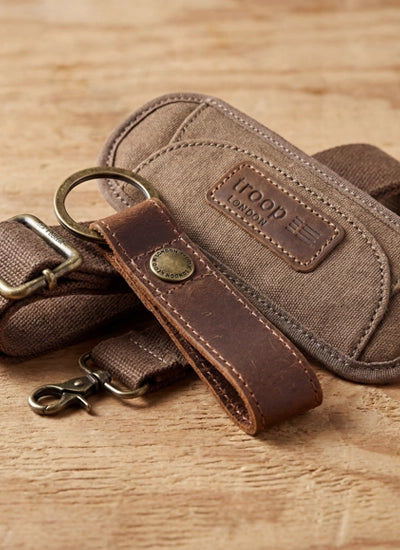

Messenger Bag Usage Guide for Stylish Daily Commutes
Choosing the perfect messenger bag feels like a balancing act for many United Kingdom professionals and students. The challenge lies in finding a design that blends everyday practicality with a sophisticated look, while also reflecting a commitment to sustainability and true craftsmanship. By focusing on padded and adjustable straps alongside smart organisational features, you can simplify your commute and showcase your individual style without sacrificing comfort or durability.
Table of Contents
- Step 1: Select The Ideal Messenger Bag For Your Needs
- Step 2: Organise Essentials For Efficient Accessibility
- Step 3: Adjust Straps For Comfort And Security
- Step 4: Wear Your Bag Correctly For Optimal Support
- Step 5: Maintain Your Messenger Bag For Lasting Quality
Quick Summary
| Main Insight | Explanation |
|---|---|
| 1. Assess your daily load | Identify essential items like laptops, notebooks, and water bottles to choose the right messenger bag size for your needs. |
| 2. Organise items for easy access | Categorise belongings and use compartments to improve efficiency and reduce frustration during commutes. |
| 3. Adjust straps for comfort | Properly lengthen or shorten the shoulder strap to ensure even weight distribution and prevent discomfort. |
| 4. Wear your bag cross-body | This method helps maintain good posture and reduces strain by distributing weight evenly across your body. |
| 5. Maintain your bag regularly | Cleaning and inspecting your messenger bag prolongs its life and keeps it looking good, avoiding costly repairs later. |
Step 1: Select the Ideal Messenger Bag for Your Needs
Choosing the right messenger bag means evaluating what you actually carry daily and how you want to feel wearing it. This step focuses on assessing your specific requirements so you can narrow down options that match both your lifestyle and aesthetic preferences. Rather than buying based on looks alone, you’ll identify the practical features that matter most for your commute.
Start by thinking about your daily load. What do you genuinely need to transport? A laptop, notebooks, a water bottle, your phone, keys? Most professionals and students require space for a laptop or tablet, which messenger bags handle exceptionally well. Capacity requirements differ significantly from backpacks because messenger bags prioritise quick access over maximum storage. If you’re carrying a 15-inch laptop plus books, look for bags offering around 15 to 20 litres of space. If you’re mostly carrying documents and accessories, a smaller 10 to 12 litre capacity works perfectly.
Next, consider your commute environment. Are you travelling through London rain on the Underground? Then water-resistant materials offer added protection for your belongings. Will you be cycling, walking, or taking public transport? This affects how you’ll wear the bag and what strap comfort means for you. Canvas messenger bags provide durability and classic style, whilst offering excellent water resistance when properly treated. Think about how you want to carry it too. Shoulder wear should feel comfortable throughout your commute, so look for padded and adjustable straps that won’t dig into your shoulder after an hour of travel. Since you’re wearing this on one shoulder rather than distributing weight across your back, comfort becomes crucial.
Finally, assess the style factor honestly. Your messenger bag lives in your professional or academic world, so it should reflect how you want to present yourself. Do you prefer vintage-inspired designs with character, or sleek modern aesthetics? Are you drawn to neutral earth tones or deeper shades? The formal and casual versatility of messenger bags means you can find one that works across different contexts. A well chosen bag becomes an extension of your personal style rather than a compromise.
Here’s a quick reference for common messenger bag materials and their properties:
| Material | Durability | Water Resistance | Typical Style |
|---|---|---|---|
| Canvas | Highly durable | Good (when treated) | Classic, casual or smart |
| Leather | Long-lasting | Moderate when treated | Formal, premium look |
| Nylon | Lightweight, robust | Excellent | Modern, sporty |
| Synthetic | Varies by type | Often waterproof | Versatile, affordable |
Pro tip Measure your laptop and most frequently carried items before shopping, then compare those dimensions against bag specifications online. This single step eliminates the guesswork and prevents purchasing a bag that’s either uncomfortably tight or wastefully oversized.
Step 2: Organise Essentials for Efficient Accessibility
A well-organised messenger bag saves you precious minutes during your commute and keeps your belongings protected. This step focuses on arranging your items so you can locate what you need instantly without rummaging through compartments. Smart organisation transforms your bag from a jumbled storage space into a functional tool that supports your daily rhythm.
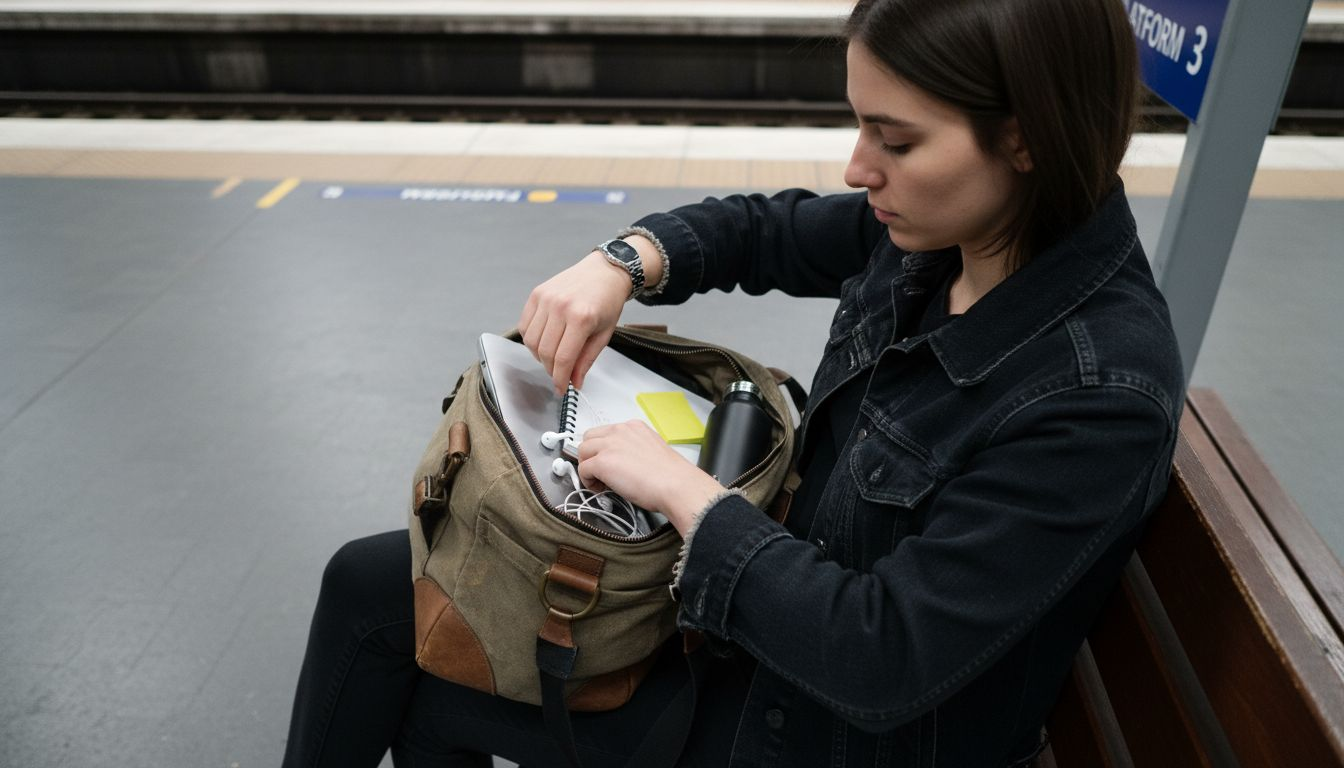
Begin by grouping items into logical categories based on how you use them. Tech accessories like charging cables, earphones, and adapters belong together in one pouch. Documents, notebooks, and pens form another category. Daily necessities such as keys, wallet, and phone deserve their own accessible spot. Categorising items logically improves quick retrieval and reduces the frustration of searching through your bag during important moments. Use the compartments already built into your messenger bag strategically. Most quality canvas bags feature a dedicated laptop section, a main compartment, and exterior pockets. Assign each category to a specific area so you always know where everything lives. This consistency becomes automatic after a week or two, allowing you to grab what you need without conscious thought.
Consider investing in small pouches or organisers for your compartments. A slim tech pouch keeps cables untangled and separate from documents. A pen holder prevents loose pens from rolling around and marking your papers. These modest additions cost very little but dramatically improve your bag’s functionality. Place frequently accessed items like your phone, keys, or travel card in exterior pockets or the top of your main compartment. Items you rarely need during the day can sit deeper in your bag where they won’t shift around.
Regularly review what you’re actually carrying. Many people accumulate items they no longer need, which adds unnecessary weight and clutter. Regular reviews help remove unnecessary items and improve efficiency during daily commutes. Once a week, pull everything out and honestly assess whether each item earns its space in your bag. That magazine you finished reading last Tuesday? Remove it. The old receipt you no longer need? Gone. This maintenance keeps your bag light, organised, and ready for whatever your day brings.
Pro tip Use clear pouches or semi-transparent organisers so you can see contents at a glance without opening each compartment, especially when you’re rushing for a meeting or train.
Step 3: Adjust Straps for Comfort and Security
Proper strap adjustment transforms your messenger bag from a potential source of shoulder pain into a comfortable accessory you barely notice during your commute. This step teaches you how to find the sweet spot where your bag feels secure, sits properly, and distributes weight evenly without restricting your movement. Getting this right takes just a few minutes but pays dividends throughout your day.
Start by wearing your bag empty and familiarising yourself with the adjustment mechanisms. Most messenger bags feature a main shoulder strap that slides through metal adjusters, allowing you to lengthen or shorten it. The goal is positioning the bag so it sits firmly against your body without excessive movement. Straps should distribute weight evenly and keep the load close to your body to minimise strain on your shoulder and back. Adjust the strap so the bottom of your bag rests approximately at hip level when worn. This positioning prevents the bag from swinging away from your body as you walk or move through crowded spaces like the Underground. Once you’ve found the right length with an empty bag, load it with your typical daily items and reassess. The added weight might feel different, so take a moment to walk around and notice how the bag sits. Your shoulder should feel supported but not compressed. Avoid the temptation to over-tighten the strap, as this restricts your movement and creates discomfort during longer commutes.
Pay attention to how the bag behaves as you move. Does it slap against your side when you walk quickly? That indicates the strap is too loose, allowing excessive movement that reduces stability. Does the strap dig into your shoulder or feel like it’s cutting off circulation? Then it’s too tight. The ideal adjustment allows the bag to move naturally with your body without flopping around independently. If your messenger bag includes a waist belt or chest strap, use these to enhance security. Adjustable straps should be maintained and used to fit the individual securely, enhancing comfort and preventing slippage. These additional straps distribute weight more evenly across your body and prevent the bag from rotating when you’re moving through busy environments or navigating stairs.
Pro tip Adjust your straps while wearing the clothes you typically commute in, as layers affect how the strap sits on your shoulder and where the bag naturally rests against your body.
Step 4: Wear Your Bag Correctly for Optimal Support
How you wear your messenger bag matters as much as which bag you choose. The correct wearing technique protects your back, maintains your posture, and ensures comfort even during lengthy commutes across London. This step focuses on positioning your bag to work with your body rather than against it.
The most effective way to wear a messenger bag is cross-body, with the strap running diagonally across your chest from one shoulder to the opposite hip. This positioning distributes weight evenly rather than concentrating it all on a single shoulder. Wearing a messenger bag cross-body reduces muscular strain and helps maintain proper posture throughout your day. When you wear your bag on one shoulder alone, you unconsciously shift your body weight to compensate, creating muscular imbalance and eventually leading to shoulder and back discomfort. The cross-body method keeps your shoulders level and your spine properly aligned. Position the bag so it rests near your lower back or hip area, supporting your body’s centre of gravity. This placement prevents the bag from swinging away from your torso as you move, whether you’re navigating crowded commuter trains or walking through the office.
Pay close attention to your posture as you wear your bag. Stand in front of a mirror and notice whether you’re leaning slightly or hunching your shoulders. If the bag pulls you off balance, the strap is likely too long or too short. Adjust it so the bag sits snugly against your body without feeling restrictive. Your shoulders should remain level and relaxed, not elevated or rolled forward. During your commute, occasionally shift your bag’s position slightly or temporarily wear it on the opposite shoulder if you find yourself fatiguing. Frequent adjustment of your wearing position prevents muscular fatigue and back pain, particularly during long days when you’re carrying your bag for several hours. Small movements make a genuine difference in how you feel by day’s end. Additionally, be mindful of the weight you’re carrying. Even a perfectly adjusted bag becomes uncomfortable if it’s excessively heavy, so regularly review whether everything inside truly needs to be there.
Pro tip Practise wearing your bag cross-body at home for a few days before relying on it for your full commute, allowing your body to adjust to the new weight distribution and positioning.
Step 5: Maintain Your Messenger Bag for Lasting Quality
A messenger bag is an investment in your daily life, and proper maintenance ensures it remains stylish and functional for years. This step teaches you the straightforward care routines that protect your bag’s appearance, extend its lifespan, and keep it performing at its best through countless commutes.
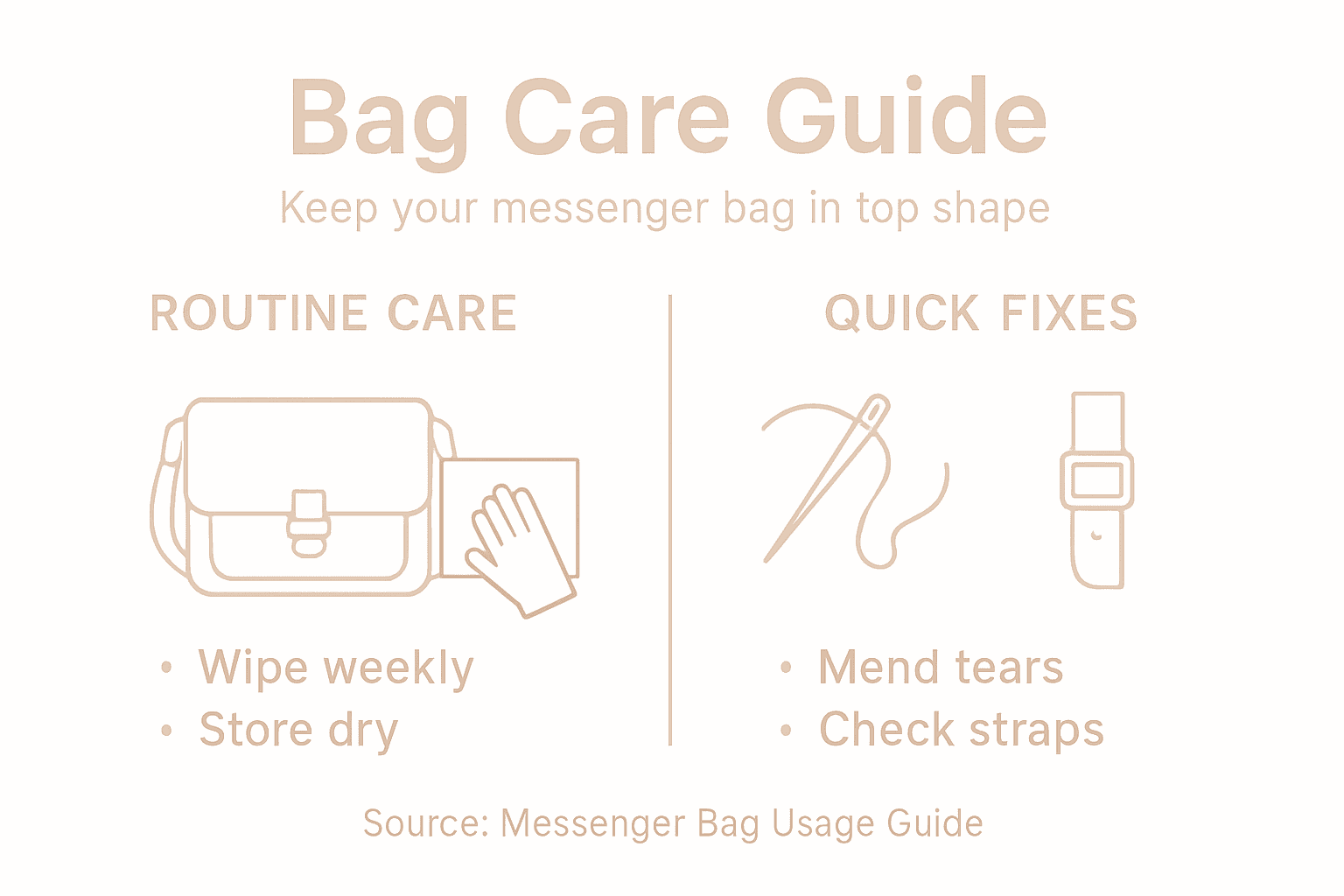
Start with storage and cleanliness fundamentals. Always store your messenger bag in a dry, clean area when you’re not using it. Avoid damp cupboards or basements where moisture can encourage mould or mildew growth, especially important for canvas bags. Before storing your bag for extended periods, wipe it down with a soft, slightly damp cloth to remove surface dust and dirt. Regular cleaning according to material specifications maintains your bag’s condition and preserves its appearance. Canvas bags benefit from gentle brushing with a soft-bristled brush, whilst leather surfaces need appropriate leather cleaner and conditioner applied sparingly. Check your bag’s care instructions if it came with them, or research the specific material you own. Most canvas messenger bags respond beautifully to simple soap and water, whilst leather requires products designed specifically for leather care. Never use harsh chemicals or submerge your bag in water, as this can damage both the material and internal components.
Routinely inspect your bag for signs of wear. Pay special attention to straps where they attach to the main body, zip fasteners, and any metal buckles or adjusters. Routine inspection of structural integrity prevents further damage and maintains both safety and aesthetic appeal. If you notice fraying stitching at a stress point, address it early with a simple stitch before it becomes a larger problem. Check zippers occasionally to ensure they glide smoothly. If a zip becomes stiff, a tiny amount of graphite pencil rubbed along the teeth often restores smooth operation. Test your bag’s straps and attachment points regularly. If stitching is coming loose or buckles feel unstable, these repairs are manageable now but become costly if ignored.
When repairs become necessary, act quickly. A small tear in canvas or leather is a minor repair, but leaving it unattended allows it to grow into a significant damage. For substantial damage or professional restoration, seek a qualified leather or canvas repair service rather than attempting complex fixes yourself. Such preventative care protects both your investment and ensures your bag remains the reliable companion you depend on during your commute.
Summary of key messenger bag maintenance actions and benefits:
| Care Action | Frequency | Main Benefit |
|---|---|---|
| Wipe exterior | Weekly or as needed | Keeps appearance clean |
| Inspect straps | Monthly | Prevents sudden strap failure |
| Clean zips | Monthly | Ensures smooth bag operation |
| Treat material | Every 3-6 months | Extends bag lifespan |
Pro tip Establish a monthly maintenance routine where you inspect your bag’s straps and zips, wipe down the exterior, and empty any accumulated crumbs or debris from compartments, catching small issues before they become problematic.
Discover the Perfect Messenger Bag for Your Stylish Daily Commute
Choosing a messenger bag that balances durability, comfort, and timeless style can be a challenge especially when you want effortless organisation and long-lasting quality on every journey. If you often find yourself struggling with uncomfortable straps or cluttered bags that do not suit your classic or urban lifestyle, Troop London offers a curated range of premium canvas messenger bags designed to meet these exact needs. Experience the blend of vintage-inspired craftsmanship and functional design that keeps your essentials secure and accessible throughout your day.

Explore our collections now at Troop London to find well-crafted and adjustable messenger bags that make wearing and organising your daily essentials easy. Don’t compromise on comfort or style – embrace the messenger bag that supports your commute with durable materials, thoughtful compartments, and elegant finishes. Act today to upgrade your everyday carry with a bag that truly reflects your personality and enhances your routine.
Frequently Asked Questions
How do I choose the right size messenger bag for my daily commute?
Selecting the right size messenger bag involves assessing what you need to carry. Aim for a capacity of 15 to 20 litres if you transport a laptop and books, or 10 to 12 litres for documents and accessories. Measure your laptop and other items before shopping to ensure a comfortable fit.
What are the best materials for a durable and water-resistant messenger bag?
Materials such as canvas, leather, nylon, and synthetics each offer unique benefits. Canvas is durable and provides good water resistance when treated, while nylon ensures excellent waterproof capabilities. Choose based on your daily needs and the environment where you commute.
How can I organise my messenger bag to find items quickly?
To organise your messenger bag effectively, group items into categories like tech accessories, documents, and daily necessities. Use existing compartments to assign a specific area for each category, and consider using pouches for smaller items to enhance accessibility.
What is the best way to adjust the straps for comfort when wearing a messenger bag?
Adjust the straps so that the bag rests at hip level, close to your body, while allowing freedom of movement. Test the adjustments with your typical load, and ensure the bag does not swing excessively or dig into your shoulder for maximum comfort.
How often should I clean and maintain my messenger bag?
Clean the exterior of your messenger bag regularly, ideally once a week, to keep it looking good. Inspect the straps and zippers monthly for wear and treat the material every three to six months to extend its lifespan.
How can I wear my messenger bag correctly to avoid back or shoulder pain?
Wear your messenger bag cross-body for optimal weight distribution and to maintain proper posture. Position the bag near your lower back or hip area, and adjust the strap length as needed to ensure comfort throughout your commute.