


How to Repair Canvas Bags for Long-Lasting Style
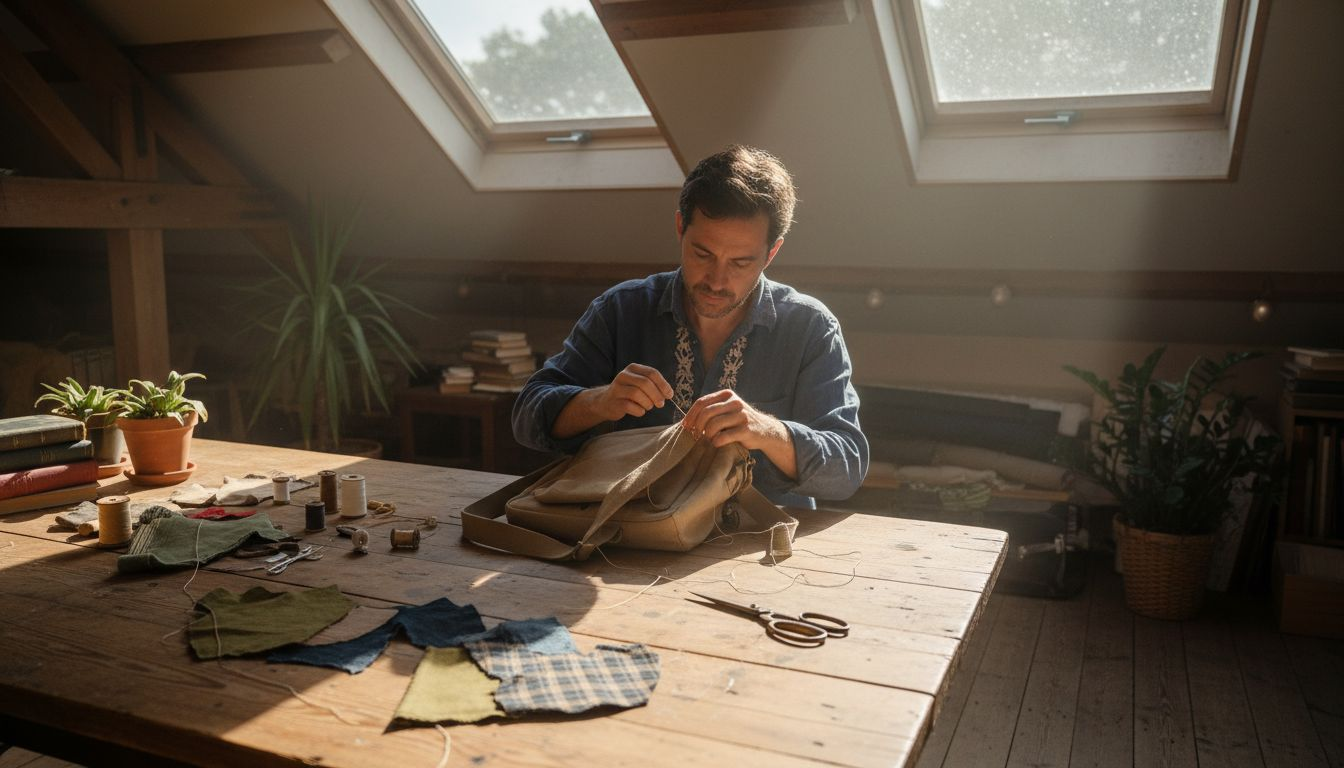
A frayed handle or a small tear does not have to spell the end for your favourite canvas bag. For eco-conscious style lovers in the UK, restoring rather than discarding means you keep fashion sustainable while continuing to carry a piece that reflects your individuality. This guide shares practical steps for assessing damage and repairing canvas bags so you can extend their life and maintain a polished look with simple, thoughtful care.
Table of Contents
- Step 1: Assess Bag Damage And Gather Materials
- Step 2: Clean And Prepare The Canvas Surface
- Step 3: Mend Small Tears Or Worn Areas
- Step 4: Reinforce Seams And Stitch Repairs
- Step 5: Check Repairs And Restore Bag Function
Quick Summary
| Key Point | Explanation |
|---|---|
| 1. Thoroughly assess bag damage | Inspect every part of your canvas bag for damage like tears or fraying before starting repairs. |
| 2. Clean surfaces before repairs | Use mild detergents and soft brushes to ensure a clean area for effective repairs. |
| 3. Choose appropriate repair method | Use fabric patches for small tears and hand stitching for durable repairs depending on damage size. |
| 4. Reinforce stressed seams | Identify and restitch weak seams with heavy-duty thread to prevent further damage. |
| 5. Test repairs for functionality | After repairs, load the bag to ensure it maintains shape and can withstand daily use. |
Step 1: Assess bag damage and gather materials
Repairing your canvas bag begins with a thorough damage assessment. Take a close look at your bag in good lighting, examining every inch for signs of wear that might require targeted restoration. Professional bag restoration experts recommend a systematic approach when evaluating fabric condition.
Start by identifying specific types of damage: small tears, fraying edges, loose threads, colour fading, or structural weaknesses. Check the bag’s handles, base, seams, and corners carefully. Minor damages like small punctures or surface scuffs can often be repaired at home, while more extensive structural issues might require professional intervention. Some common canvas bag damages include stretched handles, compromised linings, broken piping, and isolated fabric tears.
Here’s a summary of common canvas bag damages and typical repair approaches:
| Damage Type | Common Locations | Typical Repair Method |
|---|---|---|
| Small fabric tears | Sides, base, corners | Patching or hand stitching |
| Stretched handles | Handle attachments | Reinforce seams, replace inserts |
| Fraying edges | Bag opening, seams | Trim and oversew, use fabric glue |
| Colour fading | Exposed surfaces | Fabric-safe dyes or paints |
| Broken piping | Bag borders | Replace piping, sew new cover |
| Loose threads | Seams, corners | Trim, restitch if necessary |
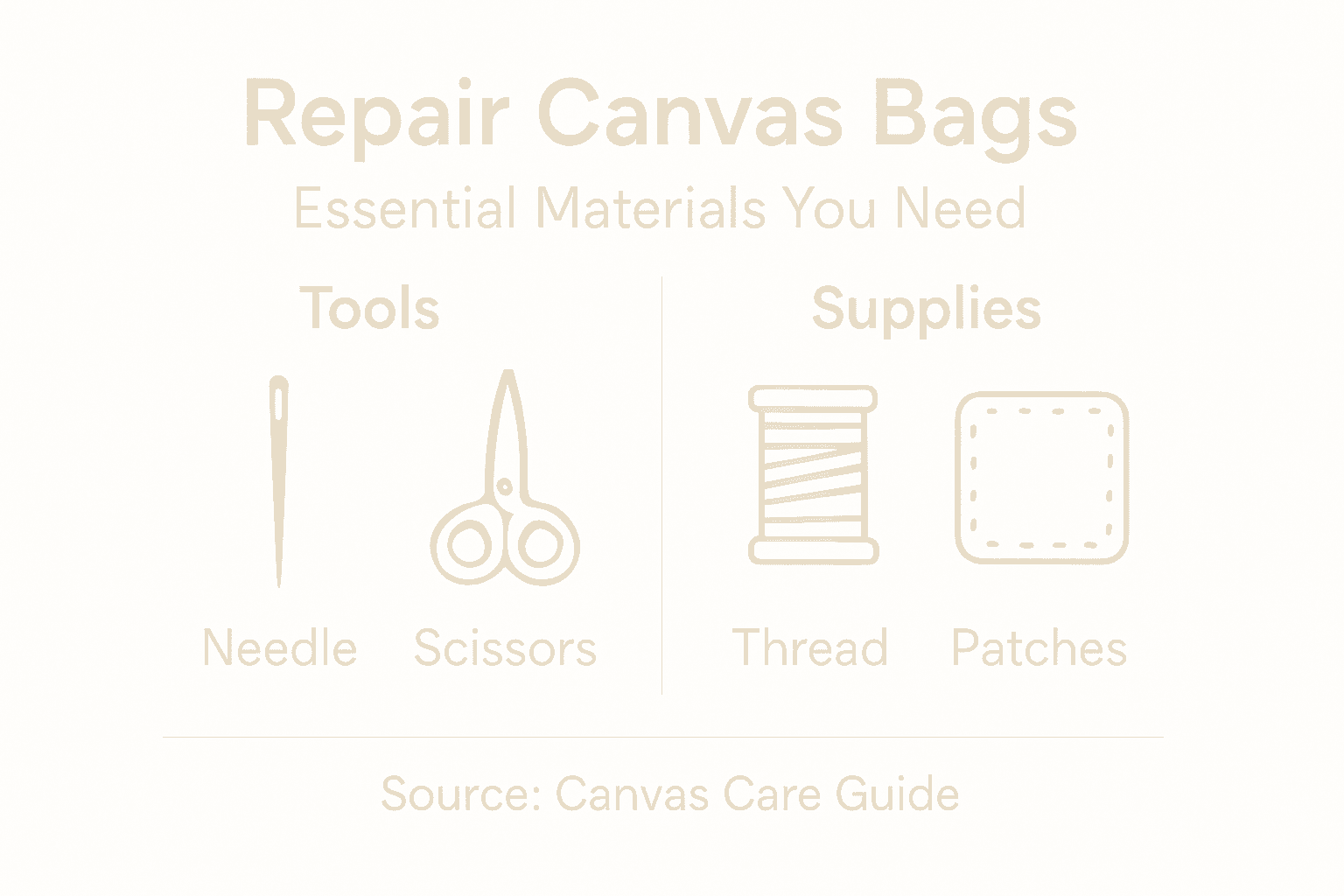
Before beginning repairs, gather essential materials: matching thread, fabric patches in similar canvas material, sharp fabric scissors, fabric glue suitable for canvas, a needle appropriate for canvas weight, and rubbing alcohol for cleaning repair areas. Your toolkit should also include tweezers, fabric pins, and a clear workspace where you can spread out your materials and work methodically.
Expert tip: Always test repair materials on an inconspicuous area first to ensure colour matching and material compatibility.
Step 2: Clean and prepare the canvas surface
Preparing your canvas bag surface is a crucial step before attempting any repairs. The goal is to create a clean, stable foundation that will help your repair work adhere effectively and look seamless. Cleaning canvas requires gentle techniques that preserve the fabric’s integrity while removing dirt and potential contaminants.
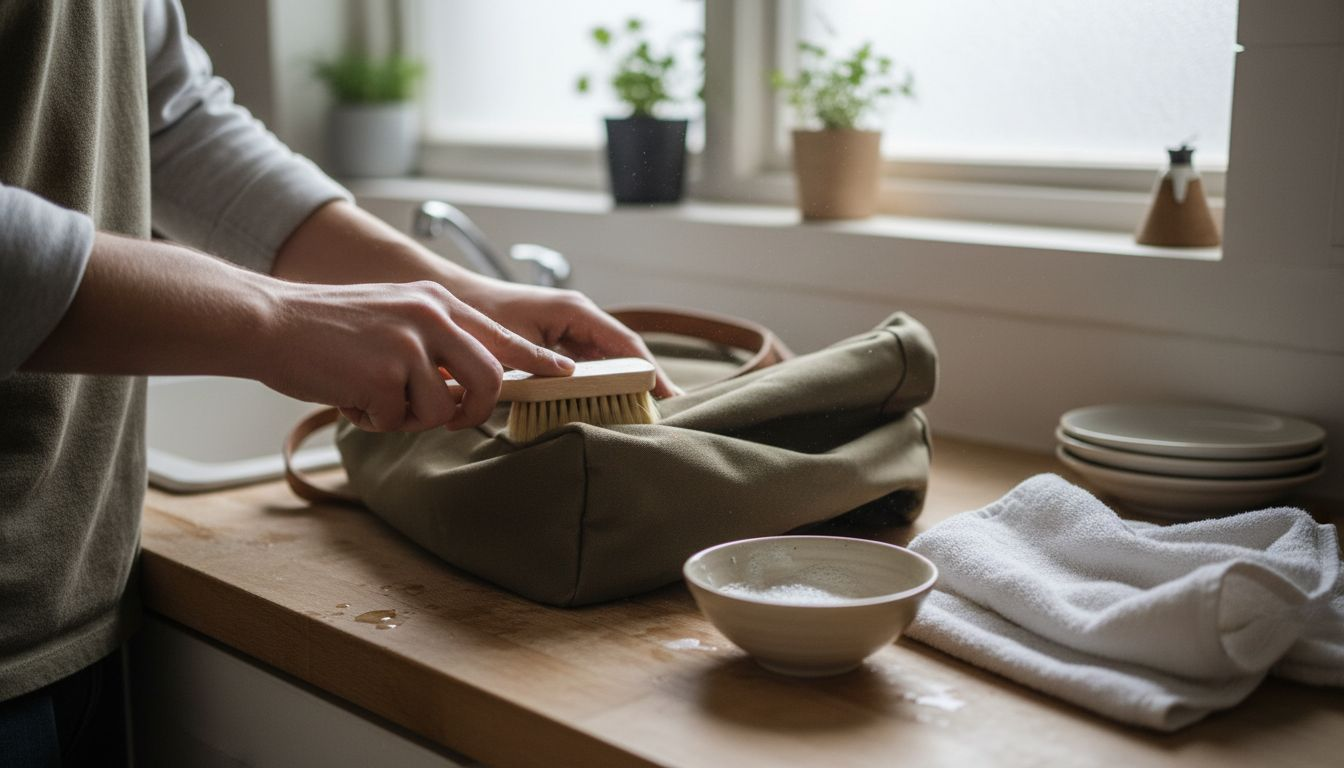
Begin by thoroughly inspecting the bag’s surface and identifying any dirt, stains, or debris. Use a soft bristled brush to gently remove loose particles, taking care not to damage the fabric’s weave. For spot cleaning, prepare a mild solution of lukewarm water and gentle detergent. Dampen a clean white cloth with this solution and carefully blot stained areas rather than rubbing, which can spread dirt or damage the canvas fibres. Pay special attention to seams, corners, and areas around potential repair zones.
After cleaning, allow the bag to air dry completely in a well-ventilated area away from direct sunlight or heat sources. This prevents potential fabric shrinkage or colour distortion. Ensure the surface is entirely dry and at room temperature before proceeding with any repair work, as moisture can compromise adhesion and potentially cause further damage to the canvas.
Expert tip: Always test your cleaning solution on a small hidden area first to confirm it does not affect the canvas colour or texture.
Step 3: Mend small tears or worn areas
Repairing small tears in your canvas bag requires precision and patience. The goal is to create a seamless mend that restores the bag’s structural integrity and aesthetic appeal. Since no specific research data was provided for this section, the guidance will draw from professional restoration techniques and practical experience.
Begin by trimming any loose threads around the tear using sharp fabric scissors. Ensure you create a clean edge without further damaging the surrounding fabric. For small tears less than 5 centimetres, you can use a fabric patch method. Cut a canvas patch slightly larger than the tear, ensuring the patch material matches your bag’s colour and weight. Apply fabric glue sparingly to the patch’s edges, then carefully position it behind the tear. Press gently to create a smooth bond, using fabric pins to hold the patch in place while it dries.
For more intricate repairs, hand stitching provides a more durable solution. Select a thread colour that closely matches your canvas bag. Use a fine needle appropriate for canvas weight and employ a small backstitch technique. This method involves creating small, overlapping stitches that distribute tension evenly and prevent further fabric splitting. Work slowly and maintain consistent stitch length to ensure a professional looking repair that blends seamlessly with the original fabric.
The table below compares hand stitching and fabric glue, two common repair methods:
| Method | Strength & Durability | Best Used For | Required Skills |
|---|---|---|---|
| Hand stitching | High, long-lasting | Seams, stress points, repairs | Moderate sewing |
| Fabric glue | Moderate, quick fix | Small patches, surface repairs | Basic application |
Expert tip: Practice your repair technique on a scrap piece of similar canvas fabric before working on your actual bag to build confidence and precision.
Step 4: Reinforce seams and stitch repairs
Reinforcing seams is a critical step in extending the life of your canvas bag. Seam reinforcement requires careful technique to restore the bag’s structural integrity and prevent future damage. The process demands precision and attention to detail to ensure a professional looking repair.
Start by identifying the most stressed areas of your bag typically found around handles, base corners, and frequently flexed seams. Use a seam ripper to carefully remove any loose or damaged original stitching, creating a clean surface for repair. Select a thread that matches both the colour and weight of your bag’s original stitching. For canvas bags, a heavy duty polyester thread works best as it provides excellent strength and resistance to wear. When restitching, use a backstitch technique that creates overlapping stitches approximately 2 to 3 millimetres long, which distributes tension evenly and prevents future splitting.
For additional reinforcement, consider applying a lightweight canvas patch behind particularly weak seams. Cut the patch slightly larger than the repair area, ensuring it blends with the bag’s original colour and texture. Use fabric glue sparingly to secure the patch, then stitch around its edges to create a permanent strengthening layer. Work slowly and maintain consistent tension to ensure your stitches are neat and secure.
Expert tip: Always test your thread and stitching technique on a scrap piece of similar fabric to confirm colour match and stitch quality before working on your actual bag.
Step 5: Check repairs and restore bag function
The final stage of bag repair involves a meticulous inspection to ensure your hard work has successfully restored the bag’s functionality and aesthetic appeal. Professional restoration techniques emphasise comprehensive final checks to guarantee long lasting results and user satisfaction.
Begin by carefully examining every repaired area under good lighting. Test the strength of your stitching by gently pulling and flexing the mended sections to confirm they can withstand normal usage. Check that zippers move smoothly, hardware remains securely attached, and seams hold firm without immediate signs of strain. Pay special attention to stress points such as handles, base corners, and areas previously weakened by tears or extensive wear. Verify that your repairs have not altered the bag’s original shape or compromised its structural integrity.
Perform a practical functionality test by loading the bag with typical everyday items to simulate real world use. Observe how the repairs hold up under weight and movement. If you notice any immediate signs of weakness or potential failure points, address these immediately with additional reinforcement. The goal is to create a repair that not only looks seamless but also provides reliable performance for future use.
Expert tip: Allow your repaired bag to rest for 24 hours after repairs to ensure adhesives and stitching have completely set before full usage.
Extend the Life of Your Canvas Bag with Timeless Style and Durable Design
Struggling with worn seams, small tears, or faded fabric on your canvas bag can feel frustrating, especially after investing in a stylish and functional accessory. This guide to repairing canvas bags highlights key pain points such as reinforcing stress points, carefully mending fabric damage, and restoring your bag’s original appearance for lasting use. Instead of repeatedly fixing old bags, why not explore options designed for durability and crafted with premium materials that resist wear from the start

Discover a curated collection of high-quality canvas bags at Troop London where craftsmanship meets timeless aesthetics. Whether you prefer the classic appeal of the Heritage line or the versatile design of our Urban collection, each piece is built to withstand daily challenges while keeping your personal style intact. Take the next step in owning reliable, stylish accessories that reduce the need for repairs and offer lasting satisfaction. Visit our site today and experience bags that complement your lifestyle without compromise.
Frequently Asked Questions
How can I assess the damage to my canvas bag before repair?
To assess the damage, examine your canvas bag in good lighting, checking for wear, tears, fraying edges, and colour fading. Identify specific areas that need attention, such as handles and seams, and note any minor issues that you can repair at home.
What materials do I need for repairing a canvas bag?
Gather essential materials like matching thread, canvas patches, sharp fabric scissors, fabric glue suitable for canvas, and a needle appropriate for the fabric weight. Ensure you also have tweezers, fabric pins, and a clear workspace to facilitate your repair process.
How do I clean my canvas bag before attempting repairs?
First, inspect the surface for dirt and stains. Use a soft-bristled brush to remove loose particles, then prepare a mild solution of lukewarm water and gentle detergent for spot cleaning, blotting stained areas with a clean cloth.
What is the best way to mend small tears in a canvas bag?
For small tears, trim loose threads and use a canvas patch or hand stitching to mend the area. Apply fabric glue around the edges of the patch and press it firmly against the tear, or use backstitching for a durable hold, ensuring your stitching blends with the bag’s original fabric.
How do I reinforce seams on my canvas bag?
To reinforce seams, remove any damaged original stitching with a seam ripper and restitch using a heavy-duty polyester thread. Employ a backstitch technique, applying a canvas patch behind weak seams for added strength to ensure the bag remains secure during use.
What should I do after completing the repairs on my canvas bag?
After repairs, closely inspect each mended area and gently test for strength by flexing the bag. Load the bag with typical items to ensure it functions properly, and allow it to rest for 24 hours to ensure that adhesives and stitching are fully set before regular use.
Recommended
- What Is the Proper Way to Go About Cleaning a Canvas Bag – Troop London
- Taking Care of Canvas Bags - Tips to Make Them Last Longer! – Troop London
- Canvas Bag Care: Preserve Style and Longevity – Troop London
- A Buyer’s Guide to Choosing the Most Durable Canvas Bag – Troop London
- Caring for Your Sterling Silver Jewellery: A Guide to Lasting Brilliance - Arwa Miel