

Bag Materials Explained: Impact on Style and Durability
Choosing the right bag often means balancing style, resilience and environmental values. For many British consumers, the fabric choices in bags shape not just everyday comfort but also how well a bag performs from city commutes to weekend adventures. As sustainable materials like recycled textiles and organic fibres gain momentum, discovering which options truly offer both longevity and eco-conscious design becomes more important than ever.
Table of Contents
- What Are Bag Materials in Fashion?
- Types of Bag Materials Used Today
- Characteristics of Canvas, Leather, and Synthetics
- Environmental Impact and Sustainability Factors
- Durability, Style, and Everyday Practicality
- Comparing Material Costs and Care Requirements
Key Takeaways
| Point | Details |
|---|---|
| Material Selection is Crucial | The choice of bag materials impacts both aesthetic appeal and practical performance, with options ranging from traditional leather to modern, sustainable textiles. |
| Environmental Considerations Matter | Sustainable materials like recycled plastics and organic textiles are increasingly prioritised in fashion design to minimise environmental impact. |
| Durability Meets Style | Successful bag designs balance durability with aesthetic elegance, ensuring that they withstand daily use while reflecting personal style. |
| Total Cost of Ownership is Key | When evaluating bags, consider the long-term maintenance and care requirements alongside the initial purchase price to assess true value. |
What Are Bag Materials in Fashion?
Fashion bags represent a fascinating intersection of design, functionality, and material science, where fabric choices determine both aesthetic appeal and practical performance. From traditional leather to contemporary synthetic polymers, bag materials have evolved dramatically, reflecting technological advancements and changing consumer preferences.
Bags are fundamentally constructed from diverse materials selected based on specific performance characteristics. Traditional bag materials explored typically include:
- Natural materials: Leather, canvas, cotton
- Synthetic polymers: Nylon, polyester, polypropylene
- Sustainable alternatives: Recycled plastics, organic textiles
Each material brings unique properties to bag design. Leather offers timeless elegance and durability, while synthetic materials provide lightweight versatility and enhanced water resistance. Modern fashion designers increasingly prioritise sustainable materials that balance aesthetic appeal with environmental consciousness.
Here is a comparison of popular bag materials highlighting their ideal use scenarios and consumer appeal:
| Material Type | Ideal Bag Usage | Typical Consumer Appeal |
|---|---|---|
| Leather | Executive, luxury handbags | Classic, status-conscious |
| Canvas | Everyday totes, backpacks | Casual, practical users |
| Synthetic Fibres | Sports, travel, messenger bags | Trend-focused, active |
| Recycled Textiles | Eco-friendly premium products | Sustainability-oriented |
The selection of bag materials involves complex considerations beyond mere appearance. Manufacturers evaluate factors like strength, weight, flexibility, water resistance, and estimated product lifetime. These technical parameters directly influence a bag’s functionality and style, transforming materials from mere components into critical design elements.
Pro tip: When selecting a bag, consider the material’s practical attributes alongside its visual appeal to ensure long-term satisfaction and performance.
Types of Bag Materials Used Today
The contemporary bag manufacturing landscape encompasses an impressive array of materials, reflecting both technological innovation and environmental consciousness. Modern bag designers have moved far beyond traditional fabric choices, integrating sustainable material innovations that balance performance with ecological responsibility.
Key materials used in contemporary bag production include:
- Natural Fibres: Cotton, hemp, bamboo, cork
- Synthetic Materials: Polyester, nylon, polypropylene
- Recycled Composites: Reclaimed plastic bottles, rubber, industrial waste textiles
- Technical Fabrics: Water-resistant polymers, ripstop materials, reinforced synthetics
Synthetic materials have revolutionised bag manufacturing, offering unprecedented versatility and performance characteristics. Polyester and nylon provide exceptional durability, lightweight properties, and resistance to wear, making them popular choices for everything from casual day bags to professional messenger bags. Packaging material assessments now increasingly consider environmental impact, driving manufacturers towards more sustainable production methods.
The evolution of bag materials reflects broader trends in fashion and sustainability. Designers are now prioritising materials that not only look stylish but also minimise environmental footprint. Recycled plastics, organic textiles, and innovative biomaterials are transforming how we think about bag construction, creating products that are both aesthetically pleasing and environmentally responsible.
Pro tip: When selecting a bag, examine the material’s composition and consider its sustainability credentials alongside its aesthetic and functional attributes.
Characteristics of Canvas, Leather, and Synthetics
Bag materials each bring unique characteristics to fashion and functionality, creating a complex landscape of design choices. Leather classification reveals nuanced differences between traditional and modern materials, highlighting the intricate relationship between performance and aesthetic appeal.
Key characteristics of primary bag materials include:
-
Canvas:
- Extremely durable
- Affordable
- Casual aesthetic
- Excellent water resistance
-
Leather:
- Luxurious appearance
- Ages beautifully
- Naturally flexible
- Develops unique patina over time
-
Synthetic Materials:
- Lightweight
- Water-resistant
- Cost-effective
- Easy maintenance
Traditional materials like leather remain prized for their exceptional quality and timeless appeal. Wool and synthetic comparisons demonstrate how natural fibres offer sustainability and biodegradability, while synthetics provide practical alternatives with enhanced technical performance.
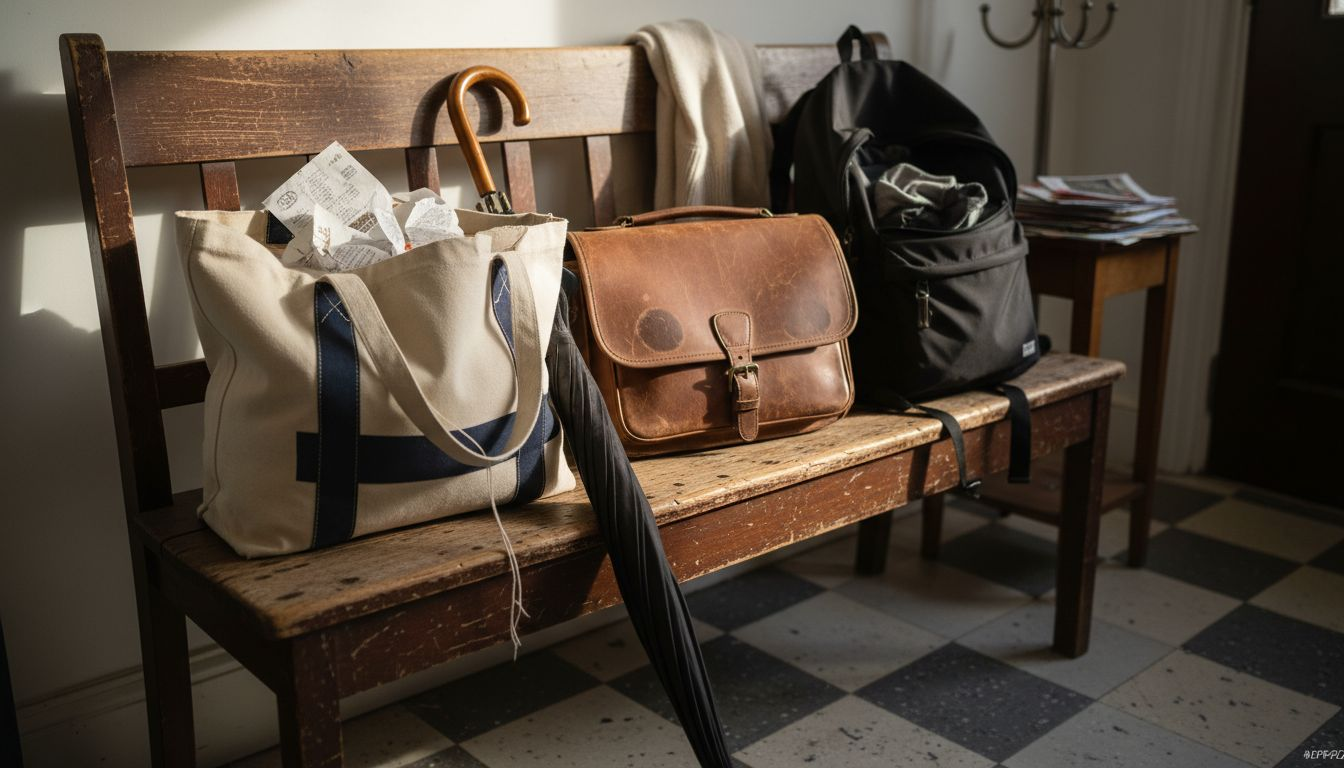
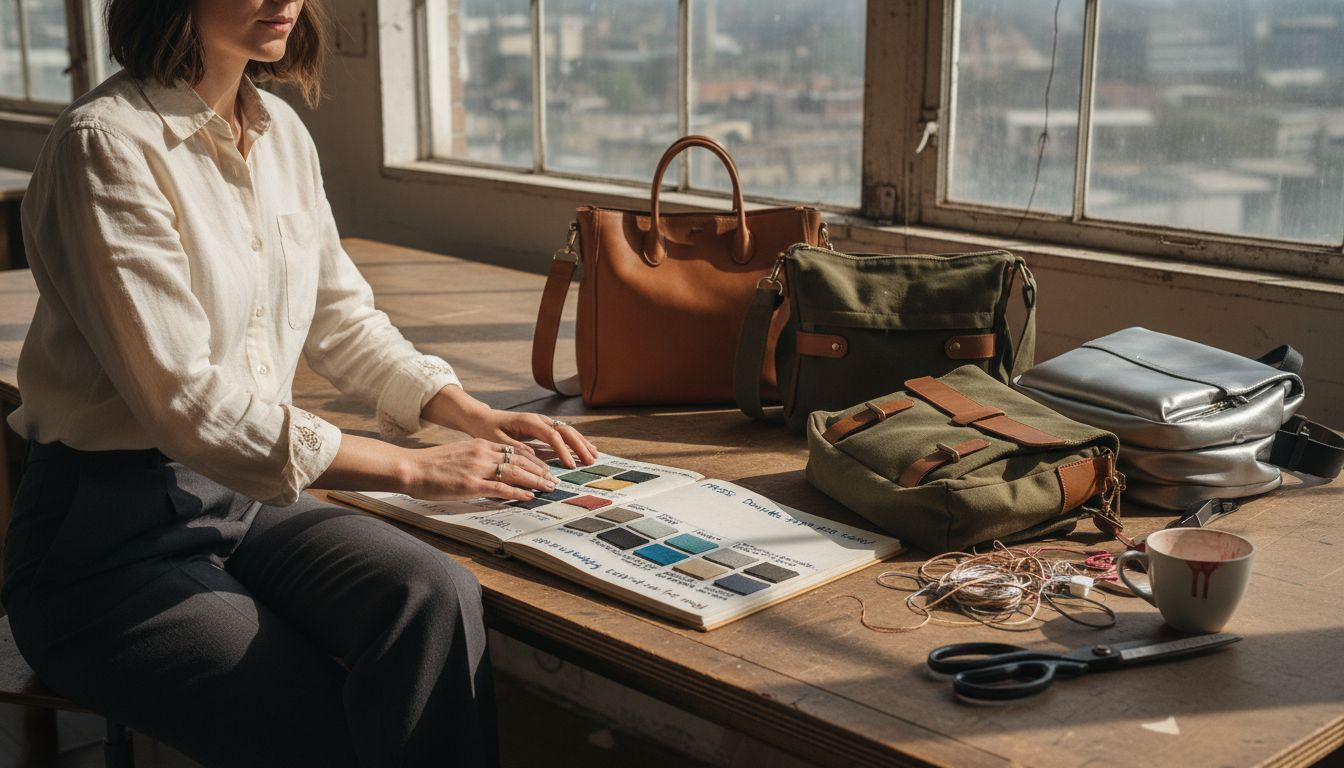
Modern bag design increasingly balances aesthetic preferences with functional requirements. Designers now blend material technologies, creating hybrid solutions that maximise durability, style, and environmental consciousness. This approach allows consumers to select bags that not only look remarkable but also meet specific practical demands.
Pro tip: Consider your lifestyle and intended bag usage when selecting materials, prioritising both aesthetic appeal and practical functionality.
Environmental Impact and Sustainability Factors
The environmental consequences of bag materials represent a critical consideration in contemporary fashion design. Fashion textile industry research reveals the complex ecological implications of different material choices, highlighting the urgent need for sustainable innovation.
Environmental impact varies significantly across bag materials:
-
Plastic Materials:
- Slow biodegradation
- High petroleum-based production
- Significant microplastic pollution
- Long-term environmental persistence
-
Natural Fibres:
- Higher water consumption
- Biodegradable
- Lower chemical processing
- Renewable resource basis
-
Recycled Materials:
- Reduced waste generation
- Lower carbon emissions
- Circular economy support
- Minimised virgin resource extraction
Bag material lifecycle assessments demonstrate that sustainability involves more than simple material selection. Manufacturers must consider total environmental footprint, including production processes, transportation emissions, durability, and end-of-life disposal strategies.
Innovative sustainable approaches are transforming bag material production. Emerging technologies focus on creating high-performance materials with reduced environmental impact, integrating recycled components, bio-based fibres, and circular design principles. These developments promise more environmentally responsible fashion accessories without compromising quality or aesthetic appeal.
Pro tip: Prioritise bags made from recycled or sustainably sourced materials, and consider the product’s entire lifecycle when making purchasing decisions.
Durability, Style, and Everyday Practicality
The intersection of durability, style, and practical functionality represents the holy grail of bag design. Design considerations for durability reveal a complex interplay between material performance and emotional connection that transforms a mere accessory into a cherished companion.
Key elements of bag durability include:
-
Physical Resilience:
- Tensile strength
- Abrasion resistance
- Structural integrity
- Load-bearing capacity
-
Style Longevity:
- Timeless aesthetic design
- Colour fastness
- Classic colour palettes
- Adaptable visual appeal
-
Practical Performance:
- Ergonomic design
- Multiple compartment configurations
- Weight distribution
- Easy maintenance
Modern consumers increasingly demand bags that transcend mere utility, seeking accessories that reflect personal identity while delivering exceptional everyday performance. A truly exceptional bag combines robust construction with aesthetic elegance, ensuring it can withstand daily challenges without compromising visual appeal.
The most successful bag designs achieve a delicate balance between form and function. Materials are carefully selected to provide durability, lightweight properties, and resistance to wear, while maintaining a sophisticated aesthetic that resonates with the user’s lifestyle and personal style preferences.
Pro tip: Invest in versatile bags with classic design elements and high-quality materials that can seamlessly transition between different contexts and usage scenarios.
Comparing Material Costs and Care Requirements
The economic landscape of bag materials involves intricate considerations beyond initial purchase price. Bag material production costs reveal a complex interplay between upfront expenses, maintenance requirements, and long-term value across different material types.
Cost and maintenance characteristics for different bag materials include:
-
Leather:
- Higher initial investment
- Specialist cleaning required
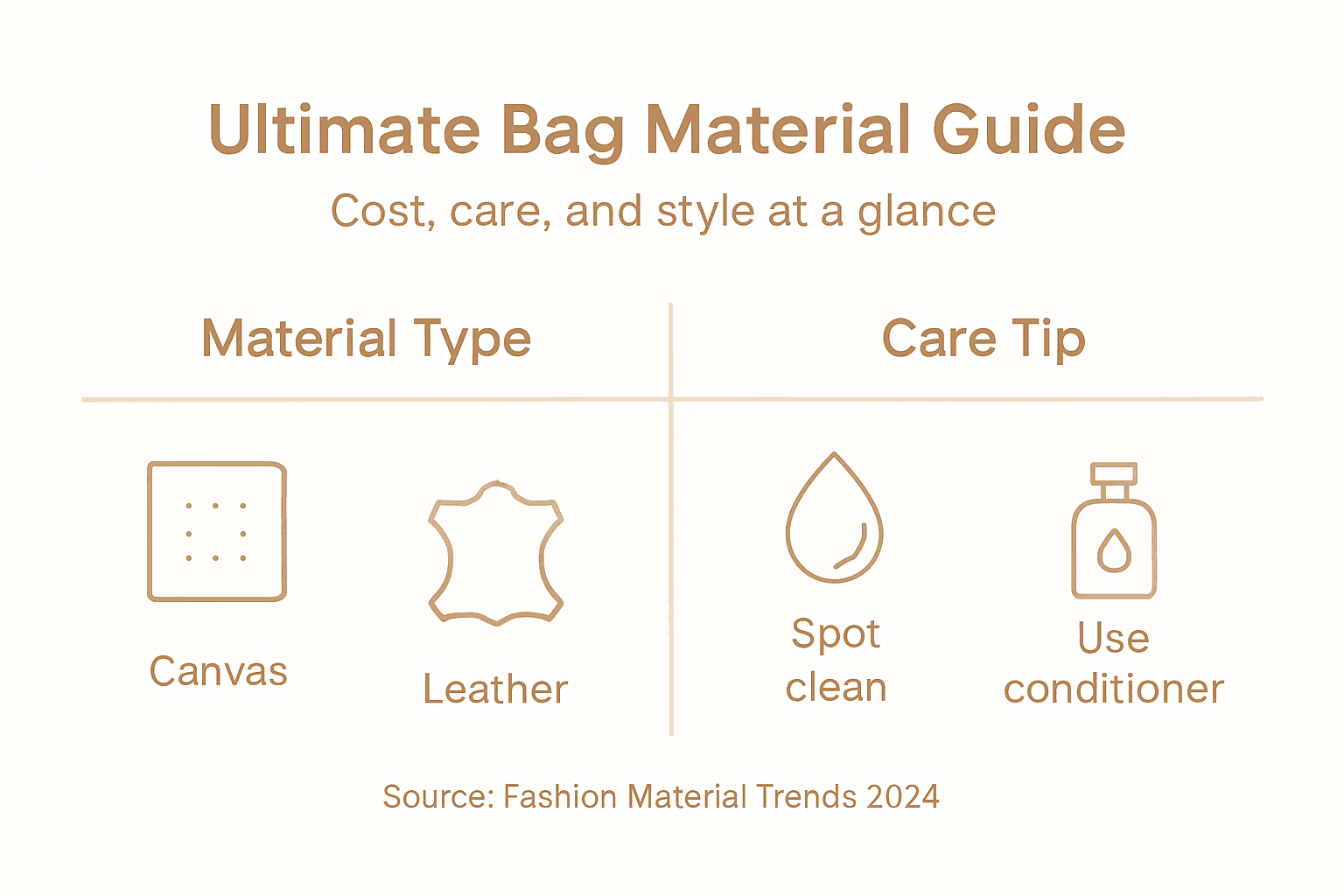
- Professional conditioning needed
- Premium aesthetic longevity
-
Synthetic Materials:
- Lower purchase price
- Simple cleaning methods
- Shorter overall lifespan
- Less maintenance intensive
-
Canvas:
- Moderate initial cost
- Machine washable
- Relatively durable
- Easy spot cleaning
Understanding the total cost of ownership involves more than just the initial price tag. Each material requires different levels of care, with leather demanding the most sophisticated maintenance regime, while synthetic materials offer more straightforward, budget-friendly alternatives.
Modern consumers are increasingly sophisticated in evaluating material investments, considering factors like durability, aesthetic appeal, maintenance complexity, and environmental impact. The most cost-effective bags balance initial expense with long-term performance, ensuring that the purchase represents genuine value across multiple dimensions.
The following table summarises care tips and sustainability factors for key bag materials:
| Material | Essential Care Tip | Sustainability Factor |
|---|---|---|
| Leather | Condition and keep dry | Long lifespan but high resource use |
| Canvas | Gentle machine wash as needed | Biodegradable, but water-intensive crop |
| Synthetic Fibres | Wipe clean; avoid heat | Durable but contributes to microplastics |
| Recycled Plastics | Spot clean only | Reduces landfill, supports circular economy |
Pro tip: Calculate the total cost of ownership by considering maintenance expenses, expected lifespan, and potential replacement costs when selecting your bag material.
Discover Durable Style with Troop London Canvas Bags
Choosing the right bag material is key to balancing style, durability, and everyday practicality as explored in the article “Bag Materials Explained: Impact on Style and Durability.” If you seek bags that combine timeless aesthetics, functional design, and sustainable craftsmanship, Troop London’s curated collection offers the perfect solution. Canvas bags at Troop London deliver exceptional durability and water resistance while embracing vintage-inspired fashion for active lifestyles.

Explore our remarkable range of canvas bags that reflect the article’s insights on material performance and style longevity. Act now to experience accessories that meet the highest standards of craftsmanship, practicality, and eco-conscious production. Visit Troop London today to find your next dependable everyday carry companion and benefit from exclusive offers designed to enhance your bag ownership journey.
Frequently Asked Questions
What are the most common materials used in bag production?
Bags are typically made from a range of materials, including natural fibres like leather, canvas, and cotton; synthetic polymers such as nylon and polyester; and sustainable alternatives like recycled plastics and organic textiles.
How does the choice of bag material affect its durability?
The durability of a bag is largely influenced by the chosen material. For instance, leather offers longevity and resilience, while synthetic materials like nylon and polyester provide exceptional durability and resistance to wear. Canvas is durable yet may require more care compared to synthetic options.
What should I consider when selecting a bag material?
When selecting a bag material, consider factors such as the material’s practicality, durability, aesthetic appeal, care requirements, and environmental impact. It’s important to choose a bag that suits your lifestyle and meets your functional needs.
How do different bag materials compare in terms of maintenance?
Leather requires specialised cleaning and conditioning, making it higher maintenance. Synthetic materials are generally easier to clean and less demanding, while canvas offers moderate maintenance, often being machine washable or suitable for spot cleaning.
Recommended
- Everything to Know About Materials That Make up a Backpack – Troop London
- Why Durable Bags Matter for UK Fashion – Troop London
- Hat Lovers Need to Know about These Popular Hat Fabrics – Troop London
- What Is Canvas Bag? Why Style Meets Purpose – Troop London
- Hair Extension Quality – Impact on Look and Longevity