


Bag Craftsmanship: Elevating Everyday Style and Sustainability
Finding a bag that truly balances style, durability, and practicality can feel daunting when most choices seem either short-lived or priced as luxury items. For professionals in the UK, the difference between a fast fashion purchase and a genuinely crafted bag lies in more than just appearance. Understanding knowledge, skill, and intentional decision-making in bag craftsmanship lets you choose accessories built for daily use and lasting appeal, while supporting sustainable practices at the same time.
Table of Contents
- Bag Craftsmanship Defined And Common Myths
- Types Of Bags And Their Unique Purposes
- Artisan Techniques And Construction Processes
- Premium Materials And UK Quality Standards
- Sustainability And Ethical Craftsmanship In Bags
- Avoiding Pitfalls: Recognising Quality And Value
Key Takeaways
| Point | Details |
|---|---|
| Understanding Craftsmanship | Genuine bag craftsmanship combines skill, material selection, and quality control to create durable products, distinguishing them from mass-produced alternatives. |
| Choosing the Right Bag | Selecting a bag that fits your lifestyle reduces decision fatigue and promotes long-term value, as it directly impacts daily utility and sustainability. |
| Recognising Quality | Focus on construction details like stitching consistency and reinforcement to distinguish truly crafted bags from aesthetically appealing but poorly made ones. |
| Sustainable Choices | Prioritising well-made bags from ethical sources not only benefits the environment but also supports local craftsmanship and promotes longevity over disposability. |
Bag craftsmanship defined and common myths
Bag craftsmanship is far more than just stitching pieces of canvas or leather together. It represents a deliberate blend of knowledge, skill, and intentional decision-making applied throughout the entire production process, from material selection to the final quality check. When a craftsperson creates a bag, they’re drawing on years of experience, technical understanding of materials, and an unwavering commitment to durability and function. This isn’t about luxury branding or premium pricing; it’s about creating something built to last, something that improves with age rather than deteriorates. The distinction matters because understanding craftsmanship’s true definition helps you recognise quality when you encounter it, whether you’re examining stitching patterns, material choices, or construction methods.
Several persistent myths obscure what craftsmanship actually means, particularly in today’s market. The first myth is that craftsmanship equals pure manual labour performed entirely by hand. Reality is messier and more nuanced. Modern craftsmanship integrates both traditional handwork and contemporary tools where appropriate, selecting the best method for each specific task. A craftsperson might use machinery to cut canvas with precision whilst hand-stitching reinforced stress points that demand the tactile control only human hands can provide. Another widespread misconception is that craftsmanship is somehow obsolete or irrelevant in modern manufacturing. This couldn’t be further from the truth. Contemporary bag makers adopt craft principles precisely because consumers increasingly reject disposable fashion in favour of pieces that deliver real value. The third myth suggests craftsmanship is exclusively a luxury concept. Whilst premium bags certainly showcase meticulous craftsmanship, the principles apply equally to well-made everyday bags designed for professionals who need reliable carrying solutions. You don’t need a four-figure price tag to access thoughtful construction and durable materials.
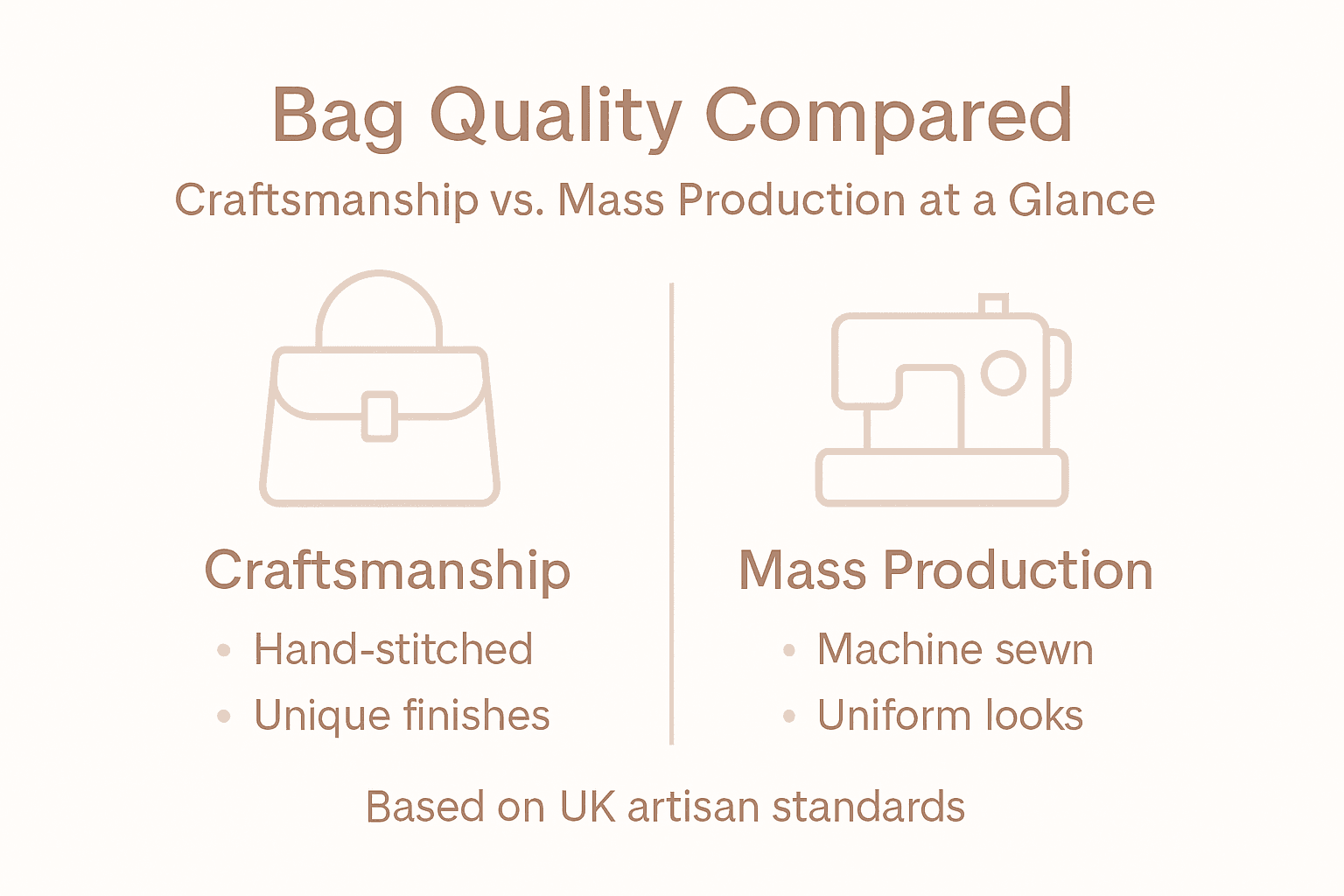
What separates genuinely crafted bags from mass-produced alternatives comes down to specific, observable details. Quality control throughout production, not just at the end, is a hallmark of true craftsmanship. This means each stage receives attention, whether that’s pre-treating canvas to prevent shrinkage, selecting leather hides for consistent grain, or testing stress points before dispatch. A craftsperson views their reputation as inseparable from the product itself. The cultural understanding of what craftsmanship means has evolved significantly over time, reflecting changing values about authenticity and durability in our relationship with objects. When you invest in a bag made with genuine craftsmanship, you’re acquiring something with heritage in its construction process, not merely an accessory.
To clarify the differences between genuine craftsmanship and mass production, see the summary below:
| Attribute | Genuine Craftsmanship | Mass Production |
|---|---|---|
| Quality Control | At every stage | Final check only |
| Material Selection | Handpicked, premium | Lowest cost available |
| Construction | Skilled hand and machine | Automated, minimal human input |
| Durability | Decades with proper care | 2-3 years on average |
Professional tip Examine the inside of a bag before purchasing: hand-finished edges, consistent stitching tension, and reinforced seams at corners and attachment points all signal genuine craftsmanship and predict how the bag will perform over years of daily use.
Types of bags and their unique purposes
Bags have evolved dramatically over centuries, shaped by the demands of daily life, social conventions, and practical necessity. Understanding the historical evolution of bags and purses reveals how form follows function, and this principle remains just as relevant today. A messenger bag serves a completely different purpose than a backpack, just as a crossbody bag addresses distinct needs compared to a structured tote. Each bag type emerged because people required something specific: carrying work documents safely, transporting gym kit hands-free, or managing everyday essentials during a commute. The best bag for you isn’t about following trends; it’s about matching the bag to your actual lifestyle and the tasks you perform daily.
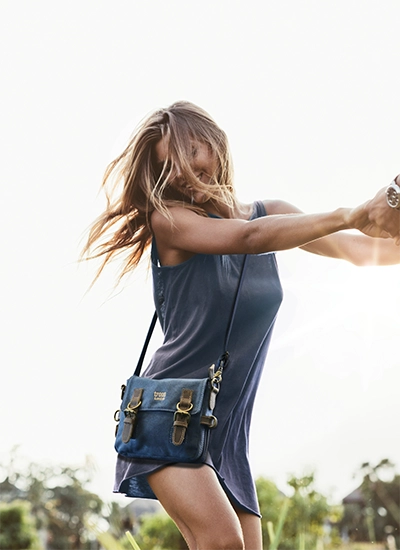
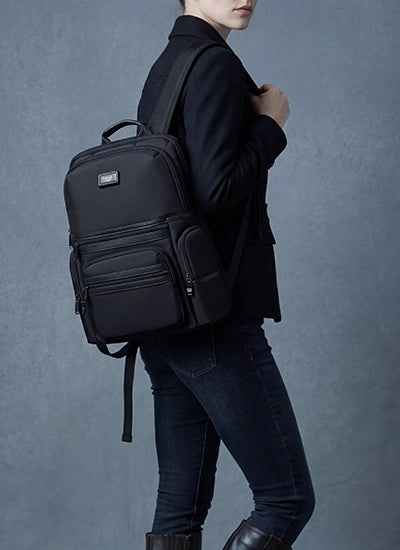
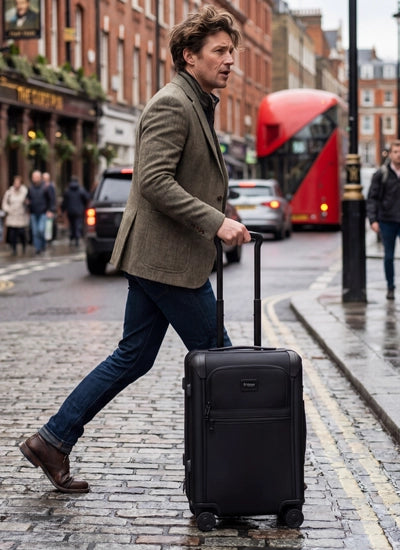
Consider the practical categories that matter for professionals in the UK. A messenger bag works brilliantly for anyone cycling to the office or moving between meetings, offering easy access without removing it from your shoulder. A backpack distributes weight evenly across both shoulders, making it ideal for longer commutes or anyone carrying a laptop plus additional kit. Crossbody bags provide secure, hands-free carrying perfect for urban travel when you need quick access without juggling straps. A structured tote suits professionals who prefer a polished appearance and need flexible capacity for documents, notebooks, and personal items. Then there’s the weekender or travel bag, designed specifically for overnight trips or weekend getaways with enough volume for clothing whilst remaining manageable on public transport. Each type has distinct advantages, and many people find that owning multiple bags for different purposes makes genuine sense rather than forcing one bag to do everything.
What often gets overlooked is that choosing the right bag type actually reduces decision fatigue throughout your week. Once you recognise which bag genuinely suits your commute and work style, you’ll reach for it consistently rather than constantly reassessing options. The environmental impact also matters here. A durable, purpose-built bag you’ll use for years generates far less waste than purchasing disposable fashion bags repeatedly. This is where craftsmanship intersects with sustainability: a well-made messenger bag that performs reliably for a decade beats replacing three cheap bags in that same timeframe. When selecting a bag, think honestly about your daily patterns, the weight you typically carry, and where you need easy access versus security. A bag that matches your actual life, not some imagined version of yourself, becomes genuinely valuable.
Here is a comparison of popular professional bag types and their ideal use cases:
| Bag Type | Key Strength | Best For |
|---|---|---|
| Messenger Bag | Quick shoulder access | Commuters, cyclists, frequent stops |
| Backpack | Balanced weight distribution | Longer journeys, carrying laptops |
| Crossbody Bag | Secure, hands-free carrying | Urban travel, crowded environments |
| Structured Tote | Polished look, flexible interior | Office use, carrying documents |
| Weekender/Travel | Large capacity, travel ready | Overnight stays, travel on trains |
Pro tip Choose a bag type based on your primary activity first (commuting, travelling, or daily errands), then evaluate specific bags within that category, as this approach prevents buying something beautiful that doesn’t actually solve your practical needs.
Artisan techniques and construction processes
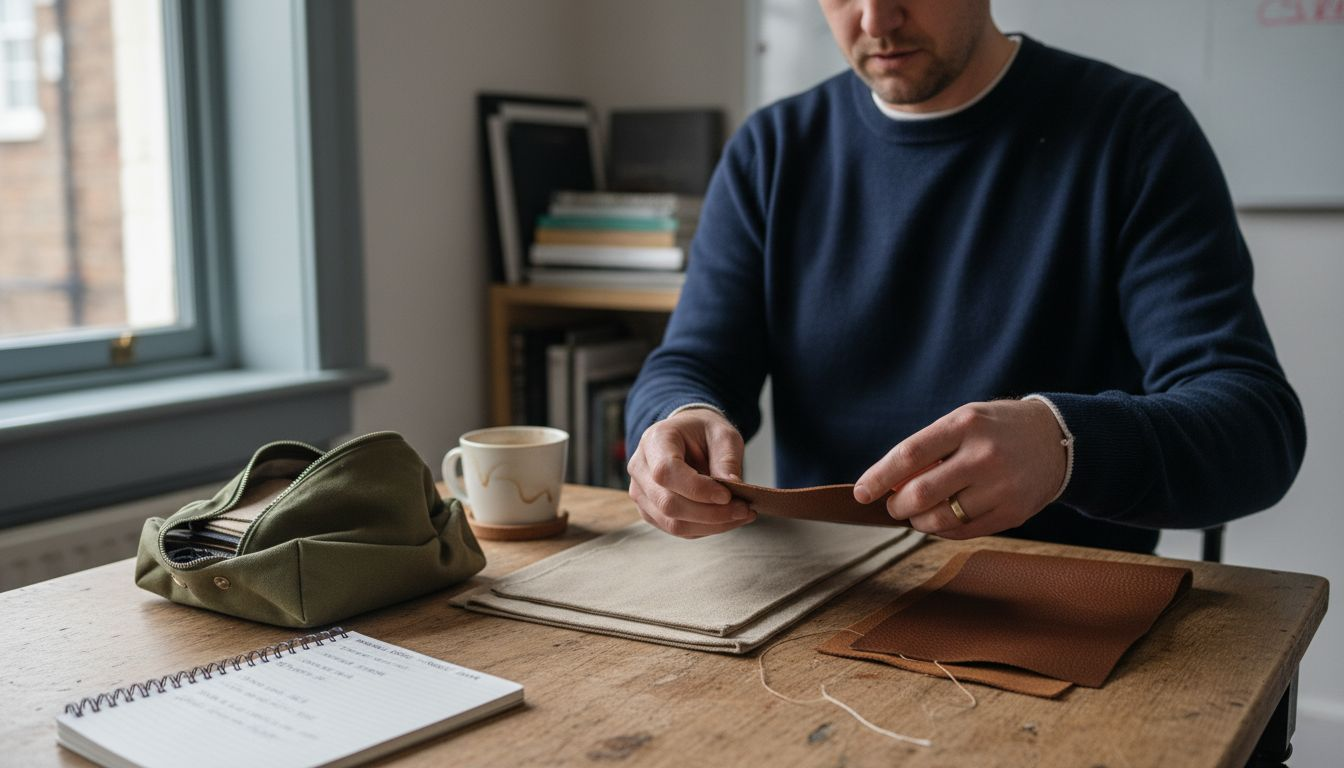
Artisan bag making begins long before needle meets canvas. The process starts with material preparation, where canvas undergoes careful treatment to optimise durability and appearance. For leather bags, leather craftsmanship involves multiple stages including tanning, cutting, stitching, and finishing that demand precision and patience at every step. Canvas makers pre-wash fabric to prevent future shrinkage, whilst leather craftspeople select hides based on grain consistency and thickness. This upfront investment in material quality directly determines how a finished bag will age and perform. When you examine a well-made bag, what you’re really seeing is dozens of small decisions made correctly at the material stage, before construction even begins.
The construction phase reveals where genuine craftsmanship truly distinguishes itself from mass production. Hand-stitching critical stress points such as corner reinforcements and strap attachments allows craftspeople to adjust tension dynamically, responding to the specific properties of each material section. A machine can stitch consistently, but it cannot think. Canvas thickness varies slightly across a bolt of fabric, leather grain patterns differ, and metal hardware seats differently depending on precise positioning. Artisans account for these variables through experience and tactile feedback that no automated system replicates. Pattern cutting requires skill too; experienced makers position patterns to minimise waste whilst maximising durability by aligning grain directions strategically. The stitching itself follows specific patterns developed over years, with double or triple stitching at stress points, reinforced box stitches at corners, and carefully chosen thread colours that complement rather than distract from the bag’s lines.
Finishing work separates ordinary bags from exceptional ones. This includes edge treatment, where raw canvas edges receive proper finishing (turning, binding, or burnishing) rather than being left frayed, and hardware attachment done with consideration for both aesthetics and longevity. Exploring artisanal making practices reveals how craftspeople understand materials deeply through hands-on experience, continuously refining techniques to balance traditional methods with contemporary improvements. A finished bag from a skilled maker shows evidence of this attention: consistent stitching tension throughout, properly aligned panels, symmetrical hardware placement, and edges that suggest care rather than cutting corners. These aren’t decorative flourishes; they’re structural choices that determine whether a bag lasts three years or thirty. The time required for genuine craftsmanship cannot be rushed without sacrificing quality, which is precisely why mass-produced alternatives cannot compete on durability regardless of marketing claims.
Professional tip When assessing a bag’s construction quality, flip it inside out and examine the stitching pattern, thread colour consistency, and reinforcement placement at stress points, as these hidden details reveal whether a maker prioritised durability or merely appearance.
Premium materials and UK quality standards
Premium materials form the foundation of bags that genuinely justify their investment. Canvas quality varies dramatically, from thin, loosely woven fabric that tears easily to densely woven organic cotton canvas that actually strengthens with age and use. The difference comes down to fibre selection, weave density, and how the material is treated post-production. High-quality canvas typically uses long-staple cotton fibres that resist pilling and fraying, with tight weaves measured in thread count rather than visual approximation. For leather goods, the distinction between top-grain and full-grain leather determines durability, patina development, and overall longevity. Full-grain leather retains the hide’s natural surface, making each piece genuinely unique whilst developing character lines that tell the story of how you’ve used your bag. Top-grain leather, whilst still quality, has the outer layer sanded and refinished, which provides uniformity but sacrifices some durability and the ability to develop that coveted lived-in appearance. Understanding how premium materials have been selected historically for durability and aesthetics reveals that this distinction isn’t new; craftspeople have always prioritised materials that age beautifully.
UK quality standards apply rigorous testing protocols that professional bag makers follow voluntarily, even when not legally mandated. Colourfast certification ensures dyes won’t bleed onto your clothing or fade prematurely. Seam strength testing verifies that stitching can withstand stress well beyond normal use, typically testing to breaking points three to five times what you’d encounter in daily carrying. Material durability assessments measure how fabrics perform after repeated flexing, abrasion, and environmental exposure. Reputable makers conduct these tests on production batches, not just samples, catching consistency issues before bags reach customers. Metal hardware receives similar scrutiny, with nickel-free standards protecting against allergic reactions and corrosion that would discolour canvas or leather. The metal findings used in premium bags often exceed Reach regulations and other UK and European standards, ensuring longevity and safety. When manufacturers skip these testing protocols, they’re cutting costs that directly impact your experience over months and years of ownership.
What separates genuine quality from marketing claims is transparency about material sourcing and processing. Makers who care about their craft can tell you where their canvas comes from, what weight it is measured in (grams per square metre), which tannery processes their leather, and which certifications verify environmental and safety standards. Organic certification matters for cotton because it eliminates synthetic pesticides during growing, reducing both environmental impact and potential skin irritation from residue. Water-based dyes and finishes, whilst more expensive and time-consuming, create bags that are safer to touch and gentler on the environment than solvent-based alternatives. These aren’t luxury flourishes; they’re structural choices reflecting genuine commitment to quality. A bag made from certified organic canvas, properly tanned leather, and tested metal hardware doesn’t cost significantly more to produce than inferior alternatives, but the price difference gets absorbed because quality makers refuse to compromise on materials that determine durability.
Professional tip Before purchasing, ask makers directly about their materials: weight, certifications, and testing protocols, as transparent makers will provide detailed answers whilst mass producers typically cannot or will not.
Sustainability and ethical craftsmanship in bags
Sustainability and craftsmanship are genuinely inseparable concepts, not marketing angles bolted onto existing practices. When a craftsperson invests months perfecting construction techniques, selecting durable materials, and building bags designed to last decades rather than seasons, they are making sustainability decisions at every single step. A bag you’ll carry for ten years generates infinitely less waste than three disposable alternatives you’ll discard in that same timeframe. Supporting artisan businesses that employ sustainable materials and ethical labour practices directly reduces environmental impact compared to mass-production models that prioritise speed and cost-cutting. The carbon footprint of a well-made bag is spread across a decade of use, whereas cheap bags manufactured offshore with minimal quality control create immediate environmental debt that short-lived ownership never justifies. This is why genuine craftsmanship isn’t a luxury option; it’s a practical sustainability choice that actually makes financial and environmental sense.
Ethical craftsmanship means several concrete things beyond vague sustainability claims. Fair wages for skilled makers ensure quality doesn’t depend on exploiting labour. Responsible material sourcing involves knowing where canvas comes from, whether leather tanneries follow environmental regulations, and whether dyes are water-based rather than solvent-based poisons. Waste reduction during production means pattern-cutting that minimises fabric scraps, offcuts used for smaller items rather than landfilled, and careful inventory management preventing overproduction. Transparency allows customers to verify claims rather than trusting marketing; genuine makers publish information about their suppliers, testing results, and production practices without defensiveness. Integrating sustainability into traditional craft methods emphasises reducing waste and choosing sustainable materials whilst maintaining quality standards that make products worth keeping. When manufacturers resist these practices, ask why. If transparency threatens their business model, that’s revealing in itself.
The economics of ethical craftsmanship favour UK professionals who understand long-term value. A canvas messenger bag made with organic cotton, vegetable-tanned leather, and sustainable dyes costs more upfront than mass-produced alternatives. But that premium spreads across fifteen years of reliable performance rather than two years of declining quality. British-made bags support local employment, reduce transportation emissions from overseas shipping, and maintain artisan skills that strengthen the entire UK craft sector. You’re not just buying a bag; you’re voting with your money for the kind of manufacturing practices you want to see continue. Every purchase from an ethical maker demonstrates market demand for quality over quantity, creating conditions where other craftspeople can afford to do their work properly without compromising integrity.
Professional tip Research a maker’s supply chain before purchasing by checking whether they publish information about material sources, certifications, and production locations, as transparency about sustainability practices directly correlates with overall product quality and durability.
Avoiding pitfalls: Recognising quality and value
The gap between genuine quality and convincing imitations has narrowed considerably, making informed purchasing decisions essential. Counterfeits exist, certainly, but far more common are bags marketed as premium whilst constructed with shortcuts that become apparent within months. Price alone tells you nothing; expensive doesn’t equal well-made, and genuinely affordable bags do exist from makers who’ve optimised efficiency rather than cut corners. The real distinction emerges through careful observation. Examine seams closely: consistent tension throughout indicates hand-finishing by someone who understands their materials, whilst irregular stitching suggests either machine-only production or rushed handwork. Check reinforcement at stress points like corner attachments and strap connections; quality bags use double or triple stitching here, not single lines that unravel under load. Look inside as well as outside; the interior reveals whether makers invested in proper finishing or left raw edges and exposed staples. Understanding consumer rights and product quality standards helps you avoid purchasing substandard goods that fail to deliver promised durability and value.
Another common pitfall is mistaking aesthetic appeal for functional quality. A bag can look beautiful and still fail structurally because looks and durability are separate considerations. Examine how leather or canvas drapes; quality materials have weight and body, floppy fabric suggests thinness that won’t age well. Test the hardware by moving zips, toggles, and clasps repeatedly; smooth operation under moderate pressure indicates proper installation, whilst resistance or grinding sounds suggest poor quality fittings. Ask specific questions about materials and production. If a maker cannot or will not answer questions about canvas weight, leather tannage, or stitching methods, that’s a clear warning sign. Genuine craftspeople enjoy discussing their work because they’re confident in their choices. Vague marketing language like “premium quality” or “luxury crafted” without specific details should trigger scepticism. Actual quality makers describe what they do: organic cotton canvas, vegetable-tanned leather, hand-finished edges, reinforced stress points.
Value requires considering lifespan, not just purchase price. A £150 bag lasting fifteen years costs £10 annually, whilst a £50 bag lasting two years costs £25 annually. The expensive bag represents better value despite higher upfront cost. This calculation shifts dramatically when you factor environmental impact; fewer bags mean less waste, less resource consumption, less transportation emissions. Beware of bags priced suspiciously low for their stated materials and construction. If a genuine leather messenger bag sells for less than production costs could reasonably allow, either the materials aren’t what’s claimed or labour was exploited. Neither option represents genuine value. Before purchasing, research the maker: how long have they been operating, what do customer reviews specifically mention about durability, can you find examples of their bags after years of use? Long-established makers with consistent positive feedback have reputations to protect. New sellers with glowing reviews and unrealistic pricing deserve closer scrutiny.
Professional tip Purchase from makers offering clear return policies and product guarantees, as confidence in durability reflects genuine quality; makers certain about their craftsmanship welcome customer scrutiny rather than resist it.
Discover the Craftsmanship Difference with Troop London
Understanding the true value of bag craftsmanship means recognising the importance of durable materials, precise construction, and ethical production. If you are seeking a bag that matches your lifestyle and stands the test of time without compromising style or sustainability, Troop London offers curated collections designed to meet those exact needs. From vintage-inspired messenger bags to functional backpacks made with organic canvas and premium leather, every piece echoes the commitment to quality and authenticity emphasised in “Bag Craftsmanship: Elevating Everyday Style and Sustainability.”

Explore the Troop London collections where craftsmanship meets everyday style. Choose a bag that respects both your practical demands and your values. Act now to invest in a reliable, stylish accessory built to last, with transparent materials and expert design. Visit Troop London today and elevate your everyday carry with bags that truly reflect genuine craftsmanship and sustainable principles.
Frequently Asked Questions
What distinguishes genuine craftsmanship in bags from mass-produced alternatives?
Genuine craftsmanship in bags involves meticulous quality control at every production stage, premium material selection, skilled construction using both hand and machine techniques, and a commitment to durability. Mass-produced bags often lack this attention to detail.
How can I identify high-quality materials in bags?
To identify high-quality materials in bags, look for premium canvas with tight weaves and long-staple cotton fibres, or leather that is full-grain for uniqueness and durability. Inspect the weight and texture as well; quality materials should feel substantial and resilient.
What are the benefits of choosing bags crafted with sustainability in mind?
Choosing sustainably crafted bags reduces waste over time, as these bags are designed to last for years. They also support ethical labour practices and minimise environmental impact by using responsibly sourced materials and production methods.
How do I assess the durability and quality of a bag before purchasing?
To assess a bag’s durability and quality, examine the stitching for consistent tension, check stress point reinforcements, look for finished edges, and consider the functionality of zips and hardware. Also, ask about the materials used and their testing protocols.
Recommended
- Sustainable Men’s Fashion in the UK: Ethical Clothing Trends – Troop London
- Sustainable Work Attire for Men: UK’s Guide to Ethical Clothing – Troop London
- Sophisticated UK Messenger Bags: Merge Style with Eco-Fashion – Troop London
- Custom Messenger Bags: London’s Fashion & Sustainability Trend – Troop London